
Blog
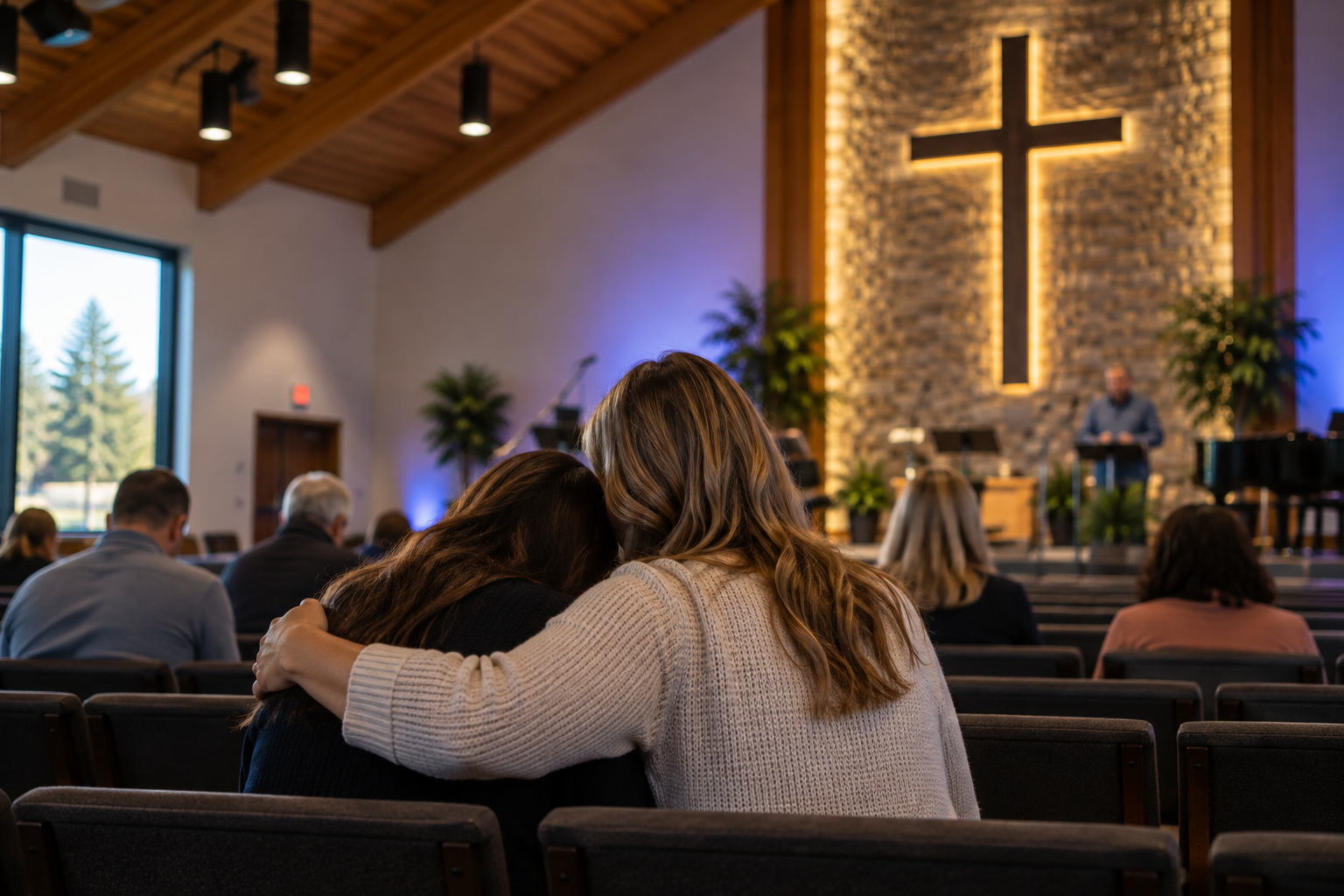
What Does Christian Forgiveness Really Mean?
Discover what Christian forgiveness really means and how Scripture, prayer, grace, healthy boundaries, and Christian community can help you forgive and heal.
Key Takeaways
Christian forgiveness is rooted in the forgiveness God offers through Jesus Christ.
Forgiveness does not mean pretending that hurt never happened or excusing harmful behavior.
Christians are called to forgive because they have first been forgiven by God.
Forgiveness can be a process, especially when the hurt is deep.
Forgiveness and reconciliation are related, but they are not always the same thing.
Prayer, Scripture, and Christian community can help people work through resentment, anger, and pain.
Why Forgiveness Can Be So Difficult
Forgiveness is one of the most familiar teachings in Christianity, but it can also be one of the hardest to practice.
It is easy to talk about forgiveness when the hurt is small. It becomes much harder when someone has betrayed your trust, spoken unfairly about you, disappointed you, or caused lasting pain.
That is why Christian forgiveness is not simply about being polite or moving on quickly. It is a deeper spiritual response that reflects the grace God has shown us.
At Grace Community Church, we believe forgiveness is an important part of following Jesus. It does not always happen instantly, and it does not require us to ignore wisdom, boundaries, or truth. But over time, forgiveness can free us from bitterness and help us move forward with a heart that is more closely aligned with God.
What Is Christian Forgiveness?
At its core, Christian forgiveness means choosing not to hold another person’s wrongdoing against them in a spirit of revenge or bitterness.
That does not mean the wrong was acceptable. It does not mean there should be no consequences. It does not mean trust must immediately return.
Instead, forgiveness means releasing the desire to punish another person emotionally and entrusting justice to God.
This kind of forgiveness is deeply connected to the gospel. Christians forgive because God has forgiven them.
Ephesians 4:32 says:
“Be kind and compassionate to one another, forgiving each other, just as in Christ God forgave you.”
That verse gives Christians both the example and the motivation for forgiveness. We extend grace because grace has first been extended to us.
Forgiveness Begins With Understanding God’s Grace
One of the most important parts of Christian forgiveness is understanding that every believer has received forgiveness.
Christianity teaches that all people fall short of God’s standard. No one earns forgiveness through perfect behavior. Instead, forgiveness is given through the grace of God and the work of Jesus Christ.
When we truly understand how much grace we have received, it changes the way we view other people.
That does not make painful situations easy. But it can soften a heart that has become hardened by resentment.
Colossians 3:13 teaches believers to forgive as the Lord forgave them. The emphasis is not on whether another person deserves forgiveness. The emphasis is on reflecting the grace of God.
Forgiveness Does Not Mean Pretending Nothing Happened
One common misunderstanding about Christian forgiveness is that forgiving someone means minimizing what happened.
That is not true.
Forgiveness does not require you to say:
“It was no big deal.”
“It did not hurt.”
“You did nothing wrong.”
“Everything can go back to normal immediately.”
Christian forgiveness allows people to be honest about pain.
In fact, genuine forgiveness often begins with truth. You may need to acknowledge what happened, recognize how it affected you, and bring that pain honestly to God.
Biblical forgiveness does not erase reality. It helps us respond to reality without allowing bitterness to control us.
Forgiveness and Trust Are Not the Same Thing
Another important distinction is that forgiveness and trust are different.
You may choose to forgive someone while still recognizing that trust needs to be rebuilt.
Trust is usually based on patterns of behavior. If someone has repeatedly lied, acted irresponsibly, or broken promises, forgiveness does not require you to immediately trust that person in the same way as before.
Trust may take:
Time
Accountability
Changed behavior
Honest communication
Consistency
Christian forgiveness can happen even while healthy boundaries remain in place.
This is especially important when dealing with serious or repeated harm. Forgiveness should never be used as a reason to ignore wisdom or place yourself back into a harmful situation.
Forgiveness and Reconciliation Are Also Different
Forgiveness is something you can choose, even if the other person does not apologize.
Reconciliation usually requires both people.
For reconciliation to happen, there often needs to be:
Repentance
Honesty
A willingness to change
Mutual communication
Rebuilding of trust
You may forgive someone and still not be able to restore the relationship immediately.
That does not mean the forgiveness was incomplete.
Sometimes Christian forgiveness means releasing resentment while accepting that a relationship may look different moving forward.
Why Holding Onto Bitterness Can Be Harmful
When people are deeply hurt, bitterness can feel like protection.
It may seem safer to keep replaying the offense. Anger can create a sense of control. Resentment can feel like a way of making sure the wrong is never forgotten.
But over time, bitterness can begin to shape the person who carries it.
It can affect:
Relationships
Emotional peace
Prayer
Spiritual growth
The way we interpret other people’s actions
Forgiveness does not change the past, but it can change how much power the past continues to have over your present.
That is one reason Christian forgiveness is so important. It helps us release what we were never meant to carry forever.
Jesus Taught Forgiveness Clearly
Jesus spoke often about forgiveness.
In Matthew 6:12, part of the Lord’s Prayer includes the words:
“Forgive us our debts, as we also have forgiven our debtors.”
Jesus connects receiving forgiveness with extending forgiveness.
He also teaches in Matthew 18 about forgiving repeatedly. When Peter asks how often he should forgive, Jesus answers in a way that communicates that forgiveness should become a pattern of life.
This does not mean Christians should ignore serious wrongdoing. It means believers should resist keeping a running record of offenses as a way of holding power over others.
What If the Other Person Never Apologizes?
This is one of the hardest situations.
Sometimes the person who hurt you does not recognize what they did. They may refuse to apologize. They may deny the situation completely.
Can you still forgive?
Yes.
Christian forgiveness does not depend entirely on the response of the other person.
You can choose to release bitterness even if they never apologize.
That does not mean reconciliation must happen. It does not mean trust must be restored. It simply means you are choosing not to allow their wrongdoing to control your heart.
This can take time, prayer, and repeated surrender.
Forgiveness Is Sometimes a Process
People sometimes expect forgiveness to happen in one emotional moment.
Sometimes it does.
Other times, forgiveness is a process.
You may sincerely decide to forgive someone and then feel anger again a few days later. That does not necessarily mean you failed. It may simply mean the wound is still healing.
In those moments, you may need to return to the decision to forgive.
You might pray:
“God, I still feel hurt. Help me release this again.”
Over time, the emotional intensity may begin to decrease.
Christian forgiveness is not always about changing your feelings immediately. It is often about choosing a faithful direction while allowing God to work in your heart over time.
How Prayer Helps With Forgiveness
Prayer can be one of the most important tools when forgiveness feels impossible.
You can begin by simply telling God the truth.
You do not need to hide anger, disappointment, or confusion. Scripture is filled with honest prayers from people who were hurt, afraid, or frustrated.
You can pray for:
Strength to forgive
Freedom from bitterness
Wisdom about boundaries
Healing from emotional pain
Peace in your heart
Guidance about whether reconciliation is possible
Eventually, you may also be able to pray for the person who hurt you.
That may feel difficult at first, but praying for someone can begin to change the way you carry the situation.
Scripture Helps Reframe the Hurt
When emotions are strong, Scripture helps bring perspective.
Several passages are especially helpful when thinking about Christian forgiveness:
Ephesians 4:31-32
This passage tells believers to let go of bitterness, anger, and malice and to forgive as God has forgiven them.
Colossians 3:13
Christians are encouraged to bear with one another and forgive grievances.
Matthew 6:14-15
Jesus emphasizes the importance of extending forgiveness.
Romans 12:19
Believers are told not to take revenge but to leave justice in God’s hands.
1 Corinthians 13:5
Love is described as not keeping a record of wrongs.
These verses do not make forgiveness easy, but they provide direction when emotions feel confusing.
What Christian Forgiveness Is Not
Because forgiveness is sometimes misunderstood, it is helpful to be clear about what it does not mean.
Christian forgiveness does not mean:
Approving of wrongdoing
Ignoring abuse
Removing appropriate consequences
Rebuilding trust instantly
Staying in a harmful relationship
Avoiding honest conversations
Pretending you are not hurt
Forgiveness is not weakness.
It often takes great courage to release resentment while still telling the truth about what happened.
Healthy Boundaries Can Still Be Biblical
There are times when a relationship needs boundaries.
A person may need emotional distance. A difficult situation may require outside help. Someone may need to say no to repeated unhealthy behavior.
Boundaries and forgiveness can exist together.
You can forgive someone while also deciding:
Certain conversations are not healthy
Trust must be rebuilt slowly
Accountability is necessary
The relationship needs space
Professional guidance would be helpful
Forgiveness is about the condition of the heart. Boundaries are about wisdom in the relationship.
How Christian Community Can Help
Forgiveness can be difficult to work through alone.
Trusted Christian community can provide:
Prayer
Encouragement
Biblical perspective
Accountability
A safe place to talk honestly
Sometimes another believer can help us recognize where resentment is growing. Other times, they can help us see when we are moving too quickly toward reconciliation without enough wisdom.
At Grace Community Church, we believe spiritual growth happens best in community. Relationships with mature believers can help us navigate difficult situations with both grace and truth.
Forgiveness in Marriage and Family Relationships
Some of the most difficult forgiveness situations happen inside families.
The people closest to us also have the greatest ability to hurt us.
Marriage, parenting, sibling relationships, and extended family relationships all require forgiveness because no family is perfect.
Healthy family forgiveness often includes:
Honest conversations
Taking responsibility
Apologizing clearly
Listening without becoming defensive
Choosing not to keep bringing up old offenses
Giving each other room to grow
Small acts of forgiveness can protect relationships from years of built-up resentment.
Teaching Children About Forgiveness
Children also need to learn what forgiveness means.
Parents can teach them that forgiveness is not simply saying, “It’s okay,” when something was not okay.
Instead, children can learn to say:
“That hurt me.”
“I forgive you.”
“Please do not do that again.”
Parents can also model forgiveness by apologizing when they make mistakes.
When children see adults admit wrong, ask for forgiveness, and show grace, they learn that Christian forgiveness is part of everyday faith.
When Forgiving Yourself Feels Hard
People often talk about forgiving others, but sometimes the hardest person to release from guilt is yourself.
If you have genuinely repented and received God’s forgiveness, continuing to punish yourself does not make you more spiritual.
The gospel teaches that forgiveness is real.
You may still need to make things right, apologize, or face consequences. But you do not need to live permanently under shame.
Part of receiving grace is believing that God’s forgiveness is greater than your failure.
A Simple Process for Working Through Forgiveness
If you are struggling to forgive, try moving through these steps slowly:
Name what happened.Be honest about the hurt.
Bring it to God.Talk openly with Him about your feelings.
Remember the forgiveness you have received.Return to the grace of the gospel.
Choose to release revenge.Trust God with justice.
Set healthy boundaries if needed.Forgiveness does not eliminate wisdom.
Repeat the process when necessary.Some wounds require repeated surrender.
The goal is not emotional perfection. The goal is a heart that is becoming more free.
FAQ: Christian Forgiveness
What is Christian forgiveness?
Christian forgiveness is the choice to release resentment and the desire for revenge because of the grace God has shown us through Jesus Christ.
Does forgiving someone mean I have to trust them again?
No. Forgiveness can be given, but trust often needs to be rebuilt over time.
Can I forgive someone who never apologizes?
Yes. Forgiveness does not depend entirely on the other person’s response. Reconciliation, however, often requires participation from both people.
Does forgiveness mean I have to stay in the relationship?
No. Forgiveness does not require you to stay in an unhealthy or harmful relationship.
What if I forgive someone but still feel angry?
Forgiveness can be a process. You may need to continue bringing those feelings to God and choosing forgiveness again.
Why does Christianity emphasize forgiveness so much?
Because forgiveness is at the heart of the gospel. Christians forgive because they have first received forgiveness through Jesus Christ.
How can I start forgiving someone who hurt me deeply?
Begin by being honest with God. Ask for strength, wisdom, and healing. You may also want to speak with a trusted pastor, mature Christian, or counselor.
Christian forgiveness is not about pretending pain never happened. It is about refusing to let pain become permanent bitterness.
Forgiveness can be difficult, especially when the hurt runs deep. It may take time. It may require boundaries. It may require repeated prayer. But forgiveness gives us a way to move forward without allowing resentment to control our lives.
At Grace Community Church, we believe the grace we receive from God should shape the way we respond to others. None of us forgives perfectly, but through prayer, Scripture, and Christian community, we can continue growing in grace.
If you are working through a difficult relationship, carrying unresolved hurt, or simply want to grow in your understanding of forgiveness, we invite you to learn more about Grace Community Church.

What Does Christian Forgiveness Really Mean?
Discover the biblical meaning of Christian forgiveness and how grace, prayer, healthy boundaries, trust, and reconciliation can help you move forward after hurt.
Key Takeaways
Christian forgiveness is rooted in the forgiveness God offers through Jesus Christ.
Forgiveness does not mean pretending that hurt never happened or excusing harmful behavior.
Christians are called to forgive because they have first been forgiven by God.
Forgiveness can be a process, especially when the hurt is deep.
Forgiveness and reconciliation are related, but they are not always the same thing.
Prayer, Scripture, and Christian community can help people work through resentment, anger, and pain.
Why Forgiveness Can Be So Difficult
Forgiveness is one of the most familiar teachings in Christianity, but it can also be one of the hardest to practice.
It is easy to talk about forgiveness when the hurt is small. It becomes much harder when someone has betrayed your trust, spoken unfairly about you, disappointed you, or caused lasting pain.
That is why Christian forgiveness is not simply about being polite or moving on quickly. It is a deeper spiritual response that reflects the grace God has shown us.
At Grace Community Church, we believe forgiveness is an important part of following Jesus. It does not always happen instantly, and it does not require us to ignore wisdom, boundaries, or truth. But over time, forgiveness can free us from bitterness and help us move forward with a heart that is more closely aligned with God.
What Is Christian Forgiveness?
At its core, Christian forgiveness means choosing not to hold another person’s wrongdoing against them in a spirit of revenge or bitterness.
That does not mean the wrong was acceptable. It does not mean there should be no consequences. It does not mean trust must immediately return.
Instead, forgiveness means releasing the desire to punish another person emotionally and entrusting justice to God.
This kind of forgiveness is deeply connected to the gospel. Christians forgive because God has forgiven them.
Ephesians 4:32 says:
“Be kind and compassionate to one another, forgiving each other, just as in Christ God forgave you.”
That verse gives Christians both the example and the motivation for forgiveness. We extend grace because grace has first been extended to us.
Forgiveness Begins With Understanding God’s Grace
One of the most important parts of Christian forgiveness is understanding that every believer has received forgiveness.
Christianity teaches that all people fall short of God’s standard. No one earns forgiveness through perfect behavior. Instead, forgiveness is given through the grace of God and the work of Jesus Christ.
When we truly understand how much grace we have received, it changes the way we view other people.
That does not make painful situations easy. But it can soften a heart that has become hardened by resentment.
Colossians 3:13 teaches believers to forgive as the Lord forgave them. The emphasis is not on whether another person deserves forgiveness. The emphasis is on reflecting the grace of God.
Forgiveness Does Not Mean Pretending Nothing Happened
One common misunderstanding about Christian forgiveness is that forgiving someone means minimizing what happened.
That is not true.
Forgiveness does not require you to say:
“It was no big deal.”
“It did not hurt.”
“You did nothing wrong.”
“Everything can go back to normal immediately.”
Christian forgiveness allows people to be honest about pain.
In fact, genuine forgiveness often begins with truth. You may need to acknowledge what happened, recognize how it affected you, and bring that pain honestly to God.
Biblical forgiveness does not erase reality. It helps us respond to reality without allowing bitterness to control us.
Forgiveness and Trust Are Not the Same Thing
Another important distinction is that forgiveness and trust are different.
You may choose to forgive someone while still recognizing that trust needs to be rebuilt.
Trust is usually based on patterns of behavior. If someone has repeatedly lied, acted irresponsibly, or broken promises, forgiveness does not require you to immediately trust that person in the same way as before.
Trust may take:
Time
Accountability
Changed behavior
Honest communication
Consistency
Christian forgiveness can happen even while healthy boundaries remain in place.
This is especially important when dealing with serious or repeated harm. Forgiveness should never be used as a reason to ignore wisdom or place yourself back into a harmful situation.
Forgiveness and Reconciliation Are Also Different
Forgiveness is something you can choose, even if the other person does not apologize.
Reconciliation usually requires both people.
For reconciliation to happen, there often needs to be:
Repentance
Honesty
A willingness to change
Mutual communication
Rebuilding of trust
You may forgive someone and still not be able to restore the relationship immediately.
That does not mean the forgiveness was incomplete.
Sometimes Christian forgiveness means releasing resentment while accepting that a relationship may look different moving forward.
Why Holding Onto Bitterness Can Be Harmful
When people are deeply hurt, bitterness can feel like protection.
It may seem safer to keep replaying the offense. Anger can create a sense of control. Resentment can feel like a way of making sure the wrong is never forgotten.
But over time, bitterness can begin to shape the person who carries it.
It can affect:
Relationships
Emotional peace
Prayer
Spiritual growth
The way we interpret other people’s actions
Forgiveness does not change the past, but it can change how much power the past continues to have over your present.
That is one reason Christian forgiveness is so important. It helps us release what we were never meant to carry forever.
Jesus Taught Forgiveness Clearly
Jesus spoke often about forgiveness.
In Matthew 6:12, part of the Lord’s Prayer includes the words:
“Forgive us our debts, as we also have forgiven our debtors.”
Jesus connects receiving forgiveness with extending forgiveness.
He also teaches in Matthew 18 about forgiving repeatedly. When Peter asks how often he should forgive, Jesus answers in a way that communicates that forgiveness should become a pattern of life.
This does not mean Christians should ignore serious wrongdoing. It means believers should resist keeping a running record of offenses as a way of holding power over others.
What If the Other Person Never Apologizes?
This is one of the hardest situations.
Sometimes the person who hurt you does not recognize what they did. They may refuse to apologize. They may deny the situation completely.
Can you still forgive?
Yes.
Christian forgiveness does not depend entirely on the response of the other person.
You can choose to release bitterness even if they never apologize.
That does not mean reconciliation must happen. It does not mean trust must be restored. It simply means you are choosing not to allow their wrongdoing to control your heart.
This can take time, prayer, and repeated surrender.
Forgiveness Is Sometimes a Process
People sometimes expect forgiveness to happen in one emotional moment.
Sometimes it does.
Other times, forgiveness is a process.
You may sincerely decide to forgive someone and then feel anger again a few days later. That does not necessarily mean you failed. It may simply mean the wound is still healing.
In those moments, you may need to return to the decision to forgive.
You might pray:
“God, I still feel hurt. Help me release this again.”
Over time, the emotional intensity may begin to decrease.
Christian forgiveness is not always about changing your feelings immediately. It is often about choosing a faithful direction while allowing God to work in your heart over time.
How Prayer Helps With Forgiveness
Prayer can be one of the most important tools when forgiveness feels impossible.
You can begin by simply telling God the truth.
You do not need to hide anger, disappointment, or confusion. Scripture is filled with honest prayers from people who were hurt, afraid, or frustrated.
You can pray for:
Strength to forgive
Freedom from bitterness
Wisdom about boundaries
Healing from emotional pain
Peace in your heart
Guidance about whether reconciliation is possible
Eventually, you may also be able to pray for the person who hurt you.
That may feel difficult at first, but praying for someone can begin to change the way you carry the situation.
Scripture Helps Reframe the Hurt
When emotions are strong, Scripture helps bring perspective.
Several passages are especially helpful when thinking about Christian forgiveness:
Ephesians 4:31-32
This passage tells believers to let go of bitterness, anger, and malice and to forgive as God has forgiven them.
Colossians 3:13
Christians are encouraged to bear with one another and forgive grievances.
Matthew 6:14-15
Jesus emphasizes the importance of extending forgiveness.
Romans 12:19
Believers are told not to take revenge but to leave justice in God’s hands.
1 Corinthians 13:5
Love is described as not keeping a record of wrongs.
These verses do not make forgiveness easy, but they provide direction when emotions feel confusing.
What Christian Forgiveness Is Not
Because forgiveness is sometimes misunderstood, it is helpful to be clear about what it does not mean.
Christian forgiveness does not mean:
Approving of wrongdoing
Ignoring abuse
Removing appropriate consequences
Rebuilding trust instantly
Staying in a harmful relationship
Avoiding honest conversations
Pretending you are not hurt
Forgiveness is not weakness.
It often takes great courage to release resentment while still telling the truth about what happened.
Healthy Boundaries Can Still Be Biblical
There are times when a relationship needs boundaries.
A person may need emotional distance. A difficult situation may require outside help. Someone may need to say no to repeated unhealthy behavior.
Boundaries and forgiveness can exist together.
You can forgive someone while also deciding:
Certain conversations are not healthy
Trust must be rebuilt slowly
Accountability is necessary
The relationship needs space
Professional guidance would be helpful
Forgiveness is about the condition of the heart. Boundaries are about wisdom in the relationship.
How Christian Community Can Help
Forgiveness can be difficult to work through alone.
Trusted Christian community can provide:
Prayer
Encouragement
Biblical perspective
Accountability
A safe place to talk honestly
Sometimes another believer can help us recognize where resentment is growing. Other times, they can help us see when we are moving too quickly toward reconciliation without enough wisdom.
At Grace Community Church, we believe spiritual growth happens best in community. Relationships with mature believers can help us navigate difficult situations with both grace and truth.
Forgiveness in Marriage and Family Relationships
Some of the most difficult forgiveness situations happen inside families.
The people closest to us also have the greatest ability to hurt us.
Marriage, parenting, sibling relationships, and extended family relationships all require forgiveness because no family is perfect.
Healthy family forgiveness often includes:
Honest conversations
Taking responsibility
Apologizing clearly
Listening without becoming defensive
Choosing not to keep bringing up old offenses
Giving each other room to grow
Small acts of forgiveness can protect relationships from years of built-up resentment.
Teaching Children About Forgiveness
Children also need to learn what forgiveness means.
Parents can teach them that forgiveness is not simply saying, “It’s okay,” when something was not okay.
Instead, children can learn to say:
“That hurt me.”
“I forgive you.”
“Please do not do that again.”
Parents can also model forgiveness by apologizing when they make mistakes.
When children see adults admit wrong, ask for forgiveness, and show grace, they learn that Christian forgiveness is part of everyday faith.
When Forgiving Yourself Feels Hard
People often talk about forgiving others, but sometimes the hardest person to release from guilt is yourself.
If you have genuinely repented and received God’s forgiveness, continuing to punish yourself does not make you more spiritual.
The gospel teaches that forgiveness is real.
You may still need to make things right, apologize, or face consequences. But you do not need to live permanently under shame.
Part of receiving grace is believing that God’s forgiveness is greater than your failure.
A Simple Process for Working Through Forgiveness
If you are struggling to forgive, try moving through these steps slowly:
Name what happened.Be honest about the hurt.
Bring it to God.Talk openly with Him about your feelings.
Remember the forgiveness you have received.Return to the grace of the gospel.
Choose to release revenge.Trust God with justice.
Set healthy boundaries if needed.Forgiveness does not eliminate wisdom.
Repeat the process when necessary.Some wounds require repeated surrender.
The goal is not emotional perfection. The goal is a heart that is becoming more free.
FAQ: Christian Forgiveness
What is Christian forgiveness?
Christian forgiveness is the choice to release resentment and the desire for revenge because of the grace God has shown us through Jesus Christ.
Does forgiving someone mean I have to trust them again?
No. Forgiveness can be given, but trust often needs to be rebuilt over time.
Can I forgive someone who never apologizes?
Yes. Forgiveness does not depend entirely on the other person’s response. Reconciliation, however, often requires participation from both people.
Does forgiveness mean I have to stay in the relationship?
No. Forgiveness does not require you to stay in an unhealthy or harmful relationship.
What if I forgive someone but still feel angry?
Forgiveness can be a process. You may need to continue bringing those feelings to God and choosing forgiveness again.
Why does Christianity emphasize forgiveness so much?
Because forgiveness is at the heart of the gospel. Christians forgive because they have first received forgiveness through Jesus Christ.
How can I start forgiving someone who hurt me deeply?
Begin by being honest with God. Ask for strength, wisdom, and healing. You may also want to speak with a trusted pastor, mature Christian, or counselor.
Christian forgiveness is not about pretending pain never happened. It is about refusing to let pain become permanent bitterness.
Forgiveness can be difficult, especially when the hurt runs deep. It may take time. It may require boundaries. It may require repeated prayer. But forgiveness gives us a way to move forward without allowing resentment to control our lives.
At Grace Community Church, we believe the grace we receive from God should shape the way we respond to others. None of us forgives perfectly, but through prayer, Scripture, and Christian community, we can continue growing in grace.
If you are working through a difficult relationship, carrying unresolved hurt, or simply want to grow in your understanding of forgiveness, we invite you to learn more about Grace Community Church.

What It Means to Follow Jesus in Everyday Life
Discover what it means to follow Jesus in everyday life through prayer, Scripture, worship, relationships, and practical faith that shapes daily decisions.
Key Takeaways
To follow Jesus means more than believing certain truths. It means letting your faith shape daily life.
Following Jesus happens in ordinary moments, not only in church settings.
Prayer, Scripture, worship, and community help keep your faith steady.
Following Jesus includes the way you speak, work, forgive, serve, and respond to others.
You do not need to live perfectly to follow Jesus faithfully. You need a willing heart and daily dependence on Him.
Faith for Real Life
Many people understand Christianity as a set of beliefs, church habits, or spiritual values. Those things matter, but Jesus calls people to more than agreement. He calls them to follow Him. That means learning His ways, trusting His words, and allowing His truth to shape everyday decisions.
At Grace Community Church, we believe the call to follow Jesus is both personal and practical. It is not limited to Sunday mornings. It carries into family life, friendships, work, stress, conflict, and moments no one else sees. It affects how we speak, what we value, how we respond when life is hard, and where we place our trust.
For many people, the phrase “follow Jesus” sounds beautiful but also a little unclear. What does it actually look like in daily life? How do you follow Jesus when work is stressful, family life is messy, or your faith feels inconsistent? This blog is meant to answer that question in a simple, honest, and practical way.
Following Jesus Begins With Relationship
Before following Jesus becomes a lifestyle, it begins as a relationship. Christianity is not first about rules. It is about knowing the person of Jesus Christ and responding to His love and truth.
To follow Jesus means:
Trusting Him as Savior
Receiving His grace
Believing His Word
Learning from His example
Walking with Him day by day
That relationship is what makes the Christian life different from mere religion. We are not trying to earn God’s love by being good enough. We are responding to the love He has already shown us through Jesus.
When you understand that, obedience stops feeling like pressure and starts becoming a response of trust.
Following Jesus Is a Daily Choice
One of the most important things to understand is that following Jesus is not a one-time feeling. It is a daily choice. Every day brings new chances to trust Him, listen to Him, and live in a way that reflects His character.
Some days that choice feels strong and joyful. Other days it feels quiet and difficult. But either way, the invitation remains the same. Jesus calls us to stay close to Him and keep taking the next faithful step.
To follow Jesus in daily life often means asking:
What would honor God in this situation?
How can I respond with truth and love?
What does Scripture say about this?
Am I relying on my own strength or on God’s help?
What is the next right step, even if it feels small?
Daily faithfulness may not always look dramatic, but it matters deeply.
Following Jesus at Home
Home is often the clearest place where faith becomes real. It is one thing to talk about kindness, patience, and forgiveness in theory. It is another thing to live those things in family life, close relationships, and everyday responsibilities.
At home, to follow Jesus may look like:
Speaking with patience instead of frustration
Asking forgiveness when you are wrong
Praying with your children or spouse
Serving without needing recognition
Choosing peace when tempers rise
Being honest and gentle in hard conversations
These are not flashy moments, but they are holy ones. They are often where Christ shapes us most deeply.
For families, following Jesus at home also means creating small spiritual rhythms:
Prayer before meals or bedtime
Talking about Sunday’s message during the week
Reading a short Bible passage together
Practicing gratitude as a family
Encouraging children to ask questions about faith
These simple habits help keep Jesus at the center of everyday life.
Following Jesus at Work or School
A lot of life happens outside the home. Workplaces, classrooms, offices, and daily errands all become places where faith is either practiced or forgotten. To follow Jesus in these settings means remembering that He is present there too.
At work or school, following Jesus may look like:
Doing your work with honesty and integrity
Treating people with respect, even when they are difficult
Refusing gossip or dishonesty
Being dependable and humble
Showing compassion to someone who is struggling
Working hard without making achievement your identity
You do not have to preach at work or force spiritual conversations to follow Jesus faithfully. Often, your actions speak first. Kindness, consistency, humility, and truth reflect Christ in powerful ways.
Following Jesus in Hard Times
It can feel easier to follow Jesus when life is going well. Hardship often reveals what we truly trust. Stress, grief, loss, disappointment, or fear can challenge our faith in deep ways.
Still, one of the clearest ways to follow Jesus is to keep turning toward Him in difficult seasons instead of away from Him.
That may mean:
Bringing your questions honestly to God in prayer
Reading Scripture when you feel weak
Asking others to pray for you
Choosing trust even when you do not understand
Letting the church support you instead of pulling away
Holding onto truth when emotions feel loud
Following Jesus in hard times does not mean pretending to be strong. It means staying near to the One who is strong when you are not.
Following Jesus Through Prayer
Prayer is one of the most important parts of a life that follows Jesus. If relationship is the foundation, prayer is one of the main ways that relationship grows.
Prayer does not need to be complicated. It simply means talking with God and bringing Him your real thoughts, needs, and gratitude.
If you want to follow Jesus more closely, begin with simple prayer:
Lord, help me trust You today.
Jesus, give me wisdom for this conversation.
Father, help me love this person well.
God, I feel overwhelmed. Please give me peace.
Thank You for being with me today.
Short prayers throughout the day can shape your heart more than you may realize. They help you return again and again to God’s presence.
Following Jesus Through Scripture
You cannot follow someone well if you never listen to them. That is why Scripture matters so much. The Bible helps us know Jesus, understand His ways, and apply His truth to real life.
Reading Scripture does not need to feel overwhelming. It can start small:
One psalm in the morning
A short gospel passage at lunch
One verse before bed
A weekly reading plan with a friend or group
To follow Jesus through Scripture means not only reading it, but asking:
What does this show me about Jesus?
What does this say about the kind of person I am becoming?
How should this shape my choices today?
Over time, God’s Word changes how you think, respond, and live.
Following Jesus in Relationships
A major part of Christian growth happens in relationships. The way we treat others reveals a great deal about the condition of our hearts.
To follow Jesus in relationships means:
Being quick to listen
Speaking truth with kindness
Forgiving instead of holding bitterness
Showing patience when others are difficult
Choosing humility over pride
Serving without always expecting something back
This is not easy. Relationships often test our faith more than anything else. But they are also one of God’s main tools for growing us.
Friendships, marriage, parenting, church life, and even difficult relationships become places where the character of Christ can be formed in us.
Following Jesus Does Not Mean Living Perfectly
One reason some people feel discouraged is because they think following Jesus means never failing. But the Christian life is not about perfection. It is about direction. It is about who you are becoming and who you keep turning toward when you fall short.
If you are trying to follow Jesus, there will still be days when you lose patience, feel selfish, forget to pray, or struggle with doubt. Those failures do not mean you are not sincere. They mean you still need grace, just like every other Christian.
Following Jesus includes repentance. It means coming back to Him, receiving forgiveness, and moving forward with humility. Grace is not the backup plan of the Christian life. It is the foundation of it.
Why Church Matters If You Want to Follow Jesus
Following Jesus was never meant to happen in isolation. Church matters because we need truth, worship, accountability, encouragement, and community.
At Grace Community Church, we believe the local church helps people follow Jesus by giving them:
Biblical teaching that applies to real life
Worship that re-centers the heart
Prayer and pastoral support
Friendships and Christian fellowship
Opportunities to serve and grow
Encouragement during difficult seasons
A healthy church does not replace your personal walk with God, but it strengthens it. When you worship, learn, and serve alongside others, your faith becomes more grounded and more active.
Small Daily Habits That Help
Following Jesus grows through small, repeated choices. Here are some simple daily habits that can help:
Begin the day with one short prayer
Read one passage of Scripture
Ask God for help before a difficult task
Pause and thank God for something specific
Show kindness in one deliberate way
Reflect at the end of the day: Where did I notice God today?
These habits may seem small, but they shape a life over time. To follow Jesus is often less about big moments and more about steady faithfulness.
What If You Feel Spiritually Stuck?
There are seasons when following Jesus feels dry or difficult. You may still believe, but feel tired, distracted, or distant from God. If that is true for you, do not panic. Many faithful Christians go through seasons like that.
When you feel stuck:
Keep showing up to church
Return to simple prayer
Read one gospel slowly
Tell someone you trust how you are feeling
Serve in a small way
Ask God to renew your heart
Sometimes the most faithful thing you can do is simply stay close and keep taking the next step.
FAQ: What It Means to Follow Jesus
What does it really mean to follow Jesus?
To follow Jesus means trusting Him, learning from Him, and allowing His truth to shape the way you live each day. It is both a relationship and a daily way of life.
Do I have to be perfect to follow Jesus?
No. Following Jesus does not mean living perfectly. It means walking with Him honestly, receiving grace when you fail, and continuing to grow in faith.
How do I follow Jesus in everyday life?
You follow Jesus in everyday life through prayer, Scripture, worship, Christian community, and practical obedience in the way you speak, work, love, forgive, and serve.
What if I feel spiritually weak?
Spiritual weakness does not mean you have failed. It often means you need to stay close to God and let others walk with you. Church, prayer, and honest conversation can help strengthen you.
Why does church matter if I want to follow Jesus?
Church matters because faith grows in community. Regular worship, biblical teaching, friendships, and opportunities to serve all help strengthen your walk with Christ.
Can I follow Jesus even if I still have questions?
Yes. Many people follow Jesus while still learning and asking honest questions. Faith grows through trust, not through having every answer immediately.
Final Thoughts
To follow Jesus is not about appearing spiritual or getting everything right. It is about walking with Him through real life. It is about trusting Him when life feels clear and when it feels confusing. It is about allowing His truth, grace, and presence to shape the way you live each day.
At Grace Community Church, we want to help people follow Jesus in practical, personal, and lasting ways. Whether you are new to faith, coming back after a hard season, or simply trying to grow, there is a place for you here.
If you want to take a next step, visit Grace Community Church online to explore our services, groups, and upcoming events.