
Blog

What Does It Mean to Walk by Faith?
What does it mean to walk by faith? Discover how trusting God, prayer, Scripture, and everyday decisions can help you grow spiritually and find strength during uncertain times.
Key Takeaways
- To walk by faith means trusting God even when you cannot see the entire path ahead.
- Faith does not mean ignoring questions, fear, or uncertainty.
- Prayer, Scripture, wisdom, and obedience help Christians grow in faith.
- Walking by faith often happens through small everyday decisions rather than dramatic moments.
- Christian community can help believers remain encouraged when trusting God feels difficult.
Introduction: What Does It Mean to Walk by Faith?
The phrase walk by faith is familiar to many Christians, but what does it actually mean?
Does walking by faith mean ignoring problems? Does it mean never feeling afraid or uncertain? Does it mean making decisions without thinking carefully?
Not at all.
To walk by faith means trusting God enough to follow Him even when you cannot see the entire path ahead. It means believing that God is faithful, His Word is trustworthy, and He remains present even when circumstances are uncertain.
At Grace Community Church, faith is not viewed as something that belongs only to Sunday morning. Christian faith can shape everyday decisions, relationships, challenges, priorities, and the way people respond when life does not go according to plan.
Where Does “Walk by Faith” Come From?
The phrase comes from 2 Corinthians 5:7, where Paul explains that believers live by faith rather than relying only on what they can see.
That short statement captures an important part of the Christian life.
We cannot always see what God is doing.
We do not know every detail of the future.
We may not understand why a certain season is difficult or why a prayer seems unanswered.
Walking by faith means continuing to trust God even when our circumstances do not provide complete certainty.
This does not mean Christians ignore facts, wisdom, or careful planning. It means our confidence ultimately rests in God rather than in circumstances alone.
Walking by Faith Means Trusting God
Trust is at the center of learning to walk by faith.
It means believing that God is good and faithful even when life feels uncertain.
Trusting God includes believing that:
- He knows what we cannot see
- He hears our prayers
- His Word provides truth and direction
- He remains present during difficult seasons
- His character does not change when our circumstances do
Trust may feel easier when life is going well.
The challenge often comes when plans change, relationships become difficult, opportunities disappear, or the future feels unclear.
Those are the moments when faith becomes more than an idea. Trust becomes a daily choice.
Faith Does Not Mean Having No Questions
Some people assume that strong Christians never question anything.
The Bible tells a different story.
People throughout Scripture brought questions, fear, disappointment, and confusion to God. They asked why certain things were happening. They asked for direction. They expressed grief and uncertainty.
Faith does not require pretending that everything makes sense.
You can trust God while asking questions.
You can believe while feeling uncertain.
You can pray while still feeling afraid.
Learning to walk by faith means continuing to seek God even when you do not have every answer.
Walking by Faith in Everyday Decisions
Faith is sometimes associated only with major decisions, but most of the Christian life happens through ordinary choices.
Walking by faith may mean choosing honesty when dishonesty would be easier.
It may mean forgiving someone when resentment feels more natural.
It may mean praying before an important conversation.
It may mean showing patience with someone difficult.
It may mean serving someone even when your schedule is busy.
It may mean choosing what is right even when no one else will know.
These choices may seem small, but together they shape a life of faith.
Walking by Faith During Uncertainty
Uncertainty is one of the hardest parts of life.
People may feel uncertain about:
- A career decision
- A relationship
- Finances
- A family situation
- A move
- The future
- An important opportunity
- A difficult season involving someone they love
When life feels uncertain, the desire for control often becomes stronger.
Proverbs 3:5-6 encourages believers to trust in the Lord rather than depending entirely on their own understanding.
This does not mean Christians should stop thinking carefully. Instead, it reminds us that our perspective is limited.
We can make wise decisions while recognizing that God sees more than we do.
Prayer Is Essential to Walking by Faith
Prayer helps move faith from something we believe into something we practice.
When we pray, we admit that we need God.
We may ask Him for:
- Wisdom
- Direction
- Courage
- Peace
- Patience
- Strength
- Help trusting Him
Prayer does not have to be complicated.
Sometimes a simple prayer is enough:
“God, I do not know what to do. Please give me wisdom.”
“Help me trust You even though I am worried.”
“Show me the next step I should take.”
Learning to walk by faith often begins with becoming comfortable bringing real questions and real concerns to God.
Scripture Gives Faith a Foundation
Faith needs something solid to stand on.
For Christians, Scripture provides that foundation.
The Bible teaches us about God's character, His promises, the life of Jesus, relationships, wisdom, forgiveness, suffering, and what it means to live faithfully.
Not every decision has a Bible verse that provides a direct answer.
Scripture will not tell you which job offer to accept or what neighborhood to move into.
But Scripture forms the character, priorities, and wisdom that help Christians approach those decisions faithfully.
Grace Community Church emphasizes Bible-based teaching that connects Christian truth with everyday life.
Regular time in Scripture helps believers become better prepared to recognize what aligns with God's character and teaching.
Walking by Faith Does Not Mean Ignoring Wisdom
Faith and wisdom belong together.
Sometimes people think trusting God means refusing advice, preparation, or careful thinking.
But the Bible regularly encourages wisdom.
Walking by faith can include:
- Researching a decision
- Asking questions
- Talking with trusted Christians
- Considering possible consequences
- Praying before acting
- Waiting when the timing is unclear
Faith is not the same as acting impulsively.
Sometimes the most faithful decision is to move forward.
Sometimes it is to wait.
Sometimes it is to seek more wisdom before doing either.
Faith Often Means Taking the Next Step
People naturally want to see the whole plan.
We want to know where a decision will lead before we make it.
But life rarely provides that kind of certainty.
Sometimes God gives enough clarity for only the next step.
That step might be:
- Making a phone call
- Asking for help
- Having an honest conversation
- Apologizing
- Starting something new
- Waiting patiently
- Letting something go
- Saying yes to an opportunity
Learning to walk by faith often means taking the next faithful step without knowing exactly what comes after it.
What Happens When Fear Takes Over?
Fear is part of being human.
Even people with strong faith experience fear.
The question is not whether fear will ever appear. The question is whether fear will control every decision.
When fear begins to take over, try slowing down.
Pray about what is happening.
Name what you are actually afraid of.
Return to Scripture.
Talk with someone you trust.
Separate facts from assumptions.
Then ask: What would a faithful and wise next step look like?
Faith does not always remove fear immediately.
Sometimes courage means moving forward while fear is still present.
Walking by Faith Through Difficult Seasons
Faith can feel especially challenging when life does not go as expected.
A difficult season might involve disappointment, grief, waiting, conflict, or uncertainty.
During those seasons, walking by faith may look quieter than usual.
It may simply mean continuing to pray.
It may mean reading one passage of Scripture.
It may mean showing up to church when you feel discouraged.
It may mean asking another Christian to pray for you.
It may mean trusting God one day at a time.
Sometimes faith looks less like confidence and more like persistence.
Christian Community Helps Strengthen Faith
Walking by faith was never intended to be a completely individual journey.
Other believers can help us by praying, encouraging, listening, sharing wisdom, and reminding us of biblical truth.
There are times when someone else can see a situation more clearly than we can.
A trusted Christian friend, pastor, or Small Group can provide perspective when circumstances feel confusing.
That is one reason staying connected to a Christian community matters.
If you are walking through a difficult or uncertain season, consider reaching out to one of Grace Community Church’s Elders or Pastors for prayer and encouragement. Sometimes simply sharing what you are facing with a trusted spiritual leader can help you feel supported and reminded that you do not have to walk through it alone.
We may each have a personal relationship with God, but we do not have to navigate faith alone.
Simple Ways to Practice Walking by Faith
Walking by faith becomes easier to understand when it becomes part of everyday life.
Start by praying before reacting. Give yourself a moment to ask God for wisdom before making an important decision.
Read Scripture consistently. Even a short passage each day can help shape your thinking.
Ask for wisdom from people you trust.
Focus on the next faithful step instead of demanding certainty about the entire future.
Remember times when God has helped you through previous seasons.
Stay connected to other Christians who can encourage you when faith feels difficult.
Over time, these simple practices can help build deeper trust in God.
FAQ: Walking by Faith
What does it mean to walk by faith?
To walk by faith means trusting God and following Him even when you cannot see or understand everything ahead.
Does walking by faith mean ignoring reality?
No. Faith does not mean ignoring facts, circumstances, or wisdom. Christians can evaluate reality carefully while still trusting God.
Can I walk by faith and still feel afraid?
Yes. Faith and fear can exist at the same time. Walking by faith means choosing trust and obedience even when fear is present.
How can I know if God is guiding me?
Prayer, Scripture, biblical wisdom, careful discernment, and counsel from trusted Christians can all help when seeking direction.
What if I make the wrong decision?
Christians do not make every decision perfectly. Ask God for wisdom, use the information available to you, and move forward faithfully.
Why does Christian community matter when walking by faith?
Other believers can provide encouragement, prayer, wisdom, and perspective when trusting God becomes difficult.
Final Thoughts
To walk by faith does not mean having every answer.
It means learning to trust God even when you do not.
Faith grows through prayer, Scripture, obedience, wisdom, and small decisions made day after day.
Some seasons will require patience. Some decisions will be difficult. Some prayers may not be answered as quickly as we hope.
But Christians do not have to navigate those seasons alone.
Grace Community Church seeks to help people grow in faith, ask meaningful questions, and develop relationships with others who are following Jesus.
If you are looking for a place to grow in your faith, join us Sunday and learn more about the Grace Community Church community.
Looking for a community where you can grow in faith?
Join Us Sunday →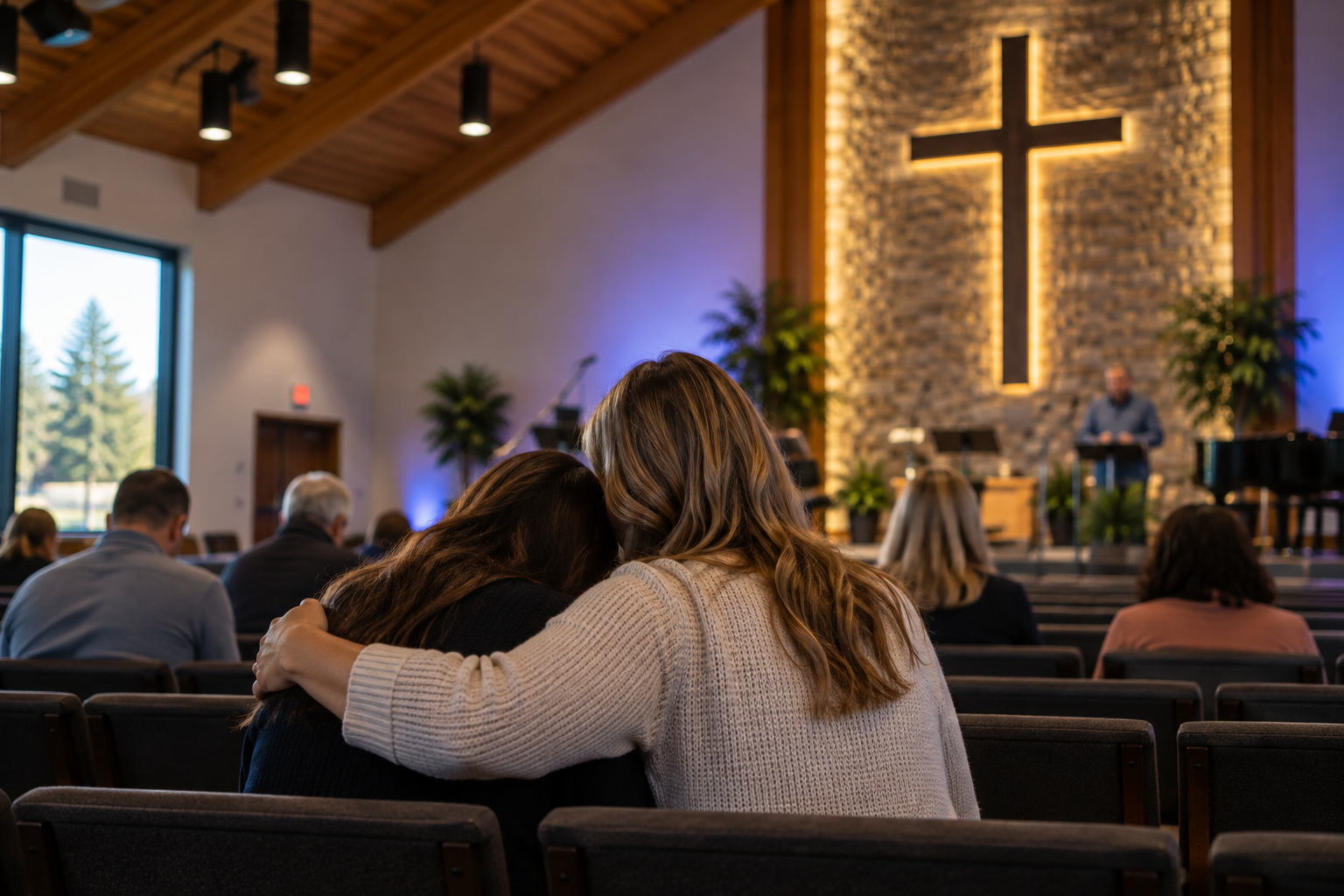
What Does Christian Forgiveness Really Mean?
Discover what Christian forgiveness really means and how Scripture, prayer, grace, healthy boundaries, and Christian community can help you forgive and heal.
Key Takeaways
Christian forgiveness is rooted in the forgiveness God offers through Jesus Christ.
Forgiveness does not mean pretending that hurt never happened or excusing harmful behavior.
Christians are called to forgive because they have first been forgiven by God.
Forgiveness can be a process, especially when the hurt is deep.
Forgiveness and reconciliation are related, but they are not always the same thing.
Prayer, Scripture, and Christian community can help people work through resentment, anger, and pain.
Why Forgiveness Can Be So Difficult
Forgiveness is one of the most familiar teachings in Christianity, but it can also be one of the hardest to practice.
It is easy to talk about forgiveness when the hurt is small. It becomes much harder when someone has betrayed your trust, spoken unfairly about you, disappointed you, or caused lasting pain.
That is why Christian forgiveness is not simply about being polite or moving on quickly. It is a deeper spiritual response that reflects the grace God has shown us.
At Grace Community Church, we believe forgiveness is an important part of following Jesus. It does not always happen instantly, and it does not require us to ignore wisdom, boundaries, or truth. But over time, forgiveness can free us from bitterness and help us move forward with a heart that is more closely aligned with God.
What Is Christian Forgiveness?
At its core, Christian forgiveness means choosing not to hold another person’s wrongdoing against them in a spirit of revenge or bitterness.
That does not mean the wrong was acceptable. It does not mean there should be no consequences. It does not mean trust must immediately return.
Instead, forgiveness means releasing the desire to punish another person emotionally and entrusting justice to God.
This kind of forgiveness is deeply connected to the gospel. Christians forgive because God has forgiven them.
Ephesians 4:32 says:
“Be kind and compassionate to one another, forgiving each other, just as in Christ God forgave you.”
That verse gives Christians both the example and the motivation for forgiveness. We extend grace because grace has first been extended to us.
Forgiveness Begins With Understanding God’s Grace
One of the most important parts of Christian forgiveness is understanding that every believer has received forgiveness.
Christianity teaches that all people fall short of God’s standard. No one earns forgiveness through perfect behavior. Instead, forgiveness is given through the grace of God and the work of Jesus Christ.
When we truly understand how much grace we have received, it changes the way we view other people.
That does not make painful situations easy. But it can soften a heart that has become hardened by resentment.
Colossians 3:13 teaches believers to forgive as the Lord forgave them. The emphasis is not on whether another person deserves forgiveness. The emphasis is on reflecting the grace of God.
Forgiveness Does Not Mean Pretending Nothing Happened
One common misunderstanding about Christian forgiveness is that forgiving someone means minimizing what happened.
That is not true.
Forgiveness does not require you to say:
“It was no big deal.”
“It did not hurt.”
“You did nothing wrong.”
“Everything can go back to normal immediately.”
Christian forgiveness allows people to be honest about pain.
In fact, genuine forgiveness often begins with truth. You may need to acknowledge what happened, recognize how it affected you, and bring that pain honestly to God.
Biblical forgiveness does not erase reality. It helps us respond to reality without allowing bitterness to control us.
Forgiveness and Trust Are Not the Same Thing
Another important distinction is that forgiveness and trust are different.
You may choose to forgive someone while still recognizing that trust needs to be rebuilt.
Trust is usually based on patterns of behavior. If someone has repeatedly lied, acted irresponsibly, or broken promises, forgiveness does not require you to immediately trust that person in the same way as before.
Trust may take:
Time
Accountability
Changed behavior
Honest communication
Consistency
Christian forgiveness can happen even while healthy boundaries remain in place.
This is especially important when dealing with serious or repeated harm. Forgiveness should never be used as a reason to ignore wisdom or place yourself back into a harmful situation.
Forgiveness and Reconciliation Are Also Different
Forgiveness is something you can choose, even if the other person does not apologize.
Reconciliation usually requires both people.
For reconciliation to happen, there often needs to be:
Repentance
Honesty
A willingness to change
Mutual communication
Rebuilding of trust
You may forgive someone and still not be able to restore the relationship immediately.
That does not mean the forgiveness was incomplete.
Sometimes Christian forgiveness means releasing resentment while accepting that a relationship may look different moving forward.
Why Holding Onto Bitterness Can Be Harmful
When people are deeply hurt, bitterness can feel like protection.
It may seem safer to keep replaying the offense. Anger can create a sense of control. Resentment can feel like a way of making sure the wrong is never forgotten.
But over time, bitterness can begin to shape the person who carries it.
It can affect:
Relationships
Emotional peace
Prayer
Spiritual growth
The way we interpret other people’s actions
Forgiveness does not change the past, but it can change how much power the past continues to have over your present.
That is one reason Christian forgiveness is so important. It helps us release what we were never meant to carry forever.
Jesus Taught Forgiveness Clearly
Jesus spoke often about forgiveness.
In Matthew 6:12, part of the Lord’s Prayer includes the words:
“Forgive us our debts, as we also have forgiven our debtors.”
Jesus connects receiving forgiveness with extending forgiveness.
He also teaches in Matthew 18 about forgiving repeatedly. When Peter asks how often he should forgive, Jesus answers in a way that communicates that forgiveness should become a pattern of life.
This does not mean Christians should ignore serious wrongdoing. It means believers should resist keeping a running record of offenses as a way of holding power over others.
What If the Other Person Never Apologizes?
This is one of the hardest situations.
Sometimes the person who hurt you does not recognize what they did. They may refuse to apologize. They may deny the situation completely.
Can you still forgive?
Yes.
Christian forgiveness does not depend entirely on the response of the other person.
You can choose to release bitterness even if they never apologize.
That does not mean reconciliation must happen. It does not mean trust must be restored. It simply means you are choosing not to allow their wrongdoing to control your heart.
This can take time, prayer, and repeated surrender.
Forgiveness Is Sometimes a Process
People sometimes expect forgiveness to happen in one emotional moment.
Sometimes it does.
Other times, forgiveness is a process.
You may sincerely decide to forgive someone and then feel anger again a few days later. That does not necessarily mean you failed. It may simply mean the wound is still healing.
In those moments, you may need to return to the decision to forgive.
You might pray:
“God, I still feel hurt. Help me release this again.”
Over time, the emotional intensity may begin to decrease.
Christian forgiveness is not always about changing your feelings immediately. It is often about choosing a faithful direction while allowing God to work in your heart over time.
How Prayer Helps With Forgiveness
Prayer can be one of the most important tools when forgiveness feels impossible.
You can begin by simply telling God the truth.
You do not need to hide anger, disappointment, or confusion. Scripture is filled with honest prayers from people who were hurt, afraid, or frustrated.
You can pray for:
Strength to forgive
Freedom from bitterness
Wisdom about boundaries
Healing from emotional pain
Peace in your heart
Guidance about whether reconciliation is possible
Eventually, you may also be able to pray for the person who hurt you.
That may feel difficult at first, but praying for someone can begin to change the way you carry the situation.
Scripture Helps Reframe the Hurt
When emotions are strong, Scripture helps bring perspective.
Several passages are especially helpful when thinking about Christian forgiveness:
Ephesians 4:31-32
This passage tells believers to let go of bitterness, anger, and malice and to forgive as God has forgiven them.
Colossians 3:13
Christians are encouraged to bear with one another and forgive grievances.
Matthew 6:14-15
Jesus emphasizes the importance of extending forgiveness.
Romans 12:19
Believers are told not to take revenge but to leave justice in God’s hands.
1 Corinthians 13:5
Love is described as not keeping a record of wrongs.
These verses do not make forgiveness easy, but they provide direction when emotions feel confusing.
What Christian Forgiveness Is Not
Because forgiveness is sometimes misunderstood, it is helpful to be clear about what it does not mean.
Christian forgiveness does not mean:
Approving of wrongdoing
Ignoring abuse
Removing appropriate consequences
Rebuilding trust instantly
Staying in a harmful relationship
Avoiding honest conversations
Pretending you are not hurt
Forgiveness is not weakness.
It often takes great courage to release resentment while still telling the truth about what happened.
Healthy Boundaries Can Still Be Biblical
There are times when a relationship needs boundaries.
A person may need emotional distance. A difficult situation may require outside help. Someone may need to say no to repeated unhealthy behavior.
Boundaries and forgiveness can exist together.
You can forgive someone while also deciding:
Certain conversations are not healthy
Trust must be rebuilt slowly
Accountability is necessary
The relationship needs space
Professional guidance would be helpful
Forgiveness is about the condition of the heart. Boundaries are about wisdom in the relationship.
How Christian Community Can Help
Forgiveness can be difficult to work through alone.
Trusted Christian community can provide:
Prayer
Encouragement
Biblical perspective
Accountability
A safe place to talk honestly
Sometimes another believer can help us recognize where resentment is growing. Other times, they can help us see when we are moving too quickly toward reconciliation without enough wisdom.
At Grace Community Church, we believe spiritual growth happens best in community. Relationships with mature believers can help us navigate difficult situations with both grace and truth.
Forgiveness in Marriage and Family Relationships
Some of the most difficult forgiveness situations happen inside families.
The people closest to us also have the greatest ability to hurt us.
Marriage, parenting, sibling relationships, and extended family relationships all require forgiveness because no family is perfect.
Healthy family forgiveness often includes:
Honest conversations
Taking responsibility
Apologizing clearly
Listening without becoming defensive
Choosing not to keep bringing up old offenses
Giving each other room to grow
Small acts of forgiveness can protect relationships from years of built-up resentment.
Teaching Children About Forgiveness
Children also need to learn what forgiveness means.
Parents can teach them that forgiveness is not simply saying, “It’s okay,” when something was not okay.
Instead, children can learn to say:
“That hurt me.”
“I forgive you.”
“Please do not do that again.”
Parents can also model forgiveness by apologizing when they make mistakes.
When children see adults admit wrong, ask for forgiveness, and show grace, they learn that Christian forgiveness is part of everyday faith.
When Forgiving Yourself Feels Hard
People often talk about forgiving others, but sometimes the hardest person to release from guilt is yourself.
If you have genuinely repented and received God’s forgiveness, continuing to punish yourself does not make you more spiritual.
The gospel teaches that forgiveness is real.
You may still need to make things right, apologize, or face consequences. But you do not need to live permanently under shame.
Part of receiving grace is believing that God’s forgiveness is greater than your failure.
A Simple Process for Working Through Forgiveness
If you are struggling to forgive, try moving through these steps slowly:
Name what happened.Be honest about the hurt.
Bring it to God.Talk openly with Him about your feelings.
Remember the forgiveness you have received.Return to the grace of the gospel.
Choose to release revenge.Trust God with justice.
Set healthy boundaries if needed.Forgiveness does not eliminate wisdom.
Repeat the process when necessary.Some wounds require repeated surrender.
The goal is not emotional perfection. The goal is a heart that is becoming more free.
FAQ: Christian Forgiveness
What is Christian forgiveness?
Christian forgiveness is the choice to release resentment and the desire for revenge because of the grace God has shown us through Jesus Christ.
Does forgiving someone mean I have to trust them again?
No. Forgiveness can be given, but trust often needs to be rebuilt over time.
Can I forgive someone who never apologizes?
Yes. Forgiveness does not depend entirely on the other person’s response. Reconciliation, however, often requires participation from both people.
Does forgiveness mean I have to stay in the relationship?
No. Forgiveness does not require you to stay in an unhealthy or harmful relationship.
What if I forgive someone but still feel angry?
Forgiveness can be a process. You may need to continue bringing those feelings to God and choosing forgiveness again.
Why does Christianity emphasize forgiveness so much?
Because forgiveness is at the heart of the gospel. Christians forgive because they have first received forgiveness through Jesus Christ.
How can I start forgiving someone who hurt me deeply?
Begin by being honest with God. Ask for strength, wisdom, and healing. You may also want to speak with a trusted pastor, mature Christian, or counselor.
Christian forgiveness is not about pretending pain never happened. It is about refusing to let pain become permanent bitterness.
Forgiveness can be difficult, especially when the hurt runs deep. It may take time. It may require boundaries. It may require repeated prayer. But forgiveness gives us a way to move forward without allowing resentment to control our lives.
At Grace Community Church, we believe the grace we receive from God should shape the way we respond to others. None of us forgives perfectly, but through prayer, Scripture, and Christian community, we can continue growing in grace.
If you are working through a difficult relationship, carrying unresolved hurt, or simply want to grow in your understanding of forgiveness, we invite you to learn more about Grace Community Church.
What Does Christian Forgiveness Really Mean?
Discover the biblical meaning of Christian forgiveness and how grace, prayer, healthy boundaries, trust, and reconciliation can help you move forward after hurt.
Key Takeaways
Christian forgiveness is rooted in the forgiveness God offers through Jesus Christ.
Forgiveness does not mean pretending that hurt never happened or excusing harmful behavior.
Christians are called to forgive because they have first been forgiven by God.
Forgiveness can be a process, especially when the hurt is deep.
Forgiveness and reconciliation are related, but they are not always the same thing.
Prayer, Scripture, and Christian community can help people work through resentment, anger, and pain.
Why Forgiveness Can Be So Difficult
Forgiveness is one of the most familiar teachings in Christianity, but it can also be one of the hardest to practice.
It is easy to talk about forgiveness when the hurt is small. It becomes much harder when someone has betrayed your trust, spoken unfairly about you, disappointed you, or caused lasting pain.
That is why Christian forgiveness is not simply about being polite or moving on quickly. It is a deeper spiritual response that reflects the grace God has shown us.
At Grace Community Church, we believe forgiveness is an important part of following Jesus. It does not always happen instantly, and it does not require us to ignore wisdom, boundaries, or truth. But over time, forgiveness can free us from bitterness and help us move forward with a heart that is more closely aligned with God.
What Is Christian Forgiveness?
At its core, Christian forgiveness means choosing not to hold another person’s wrongdoing against them in a spirit of revenge or bitterness.
That does not mean the wrong was acceptable. It does not mean there should be no consequences. It does not mean trust must immediately return.
Instead, forgiveness means releasing the desire to punish another person emotionally and entrusting justice to God.
This kind of forgiveness is deeply connected to the gospel. Christians forgive because God has forgiven them.
Ephesians 4:32 says:
“Be kind and compassionate to one another, forgiving each other, just as in Christ God forgave you.”
That verse gives Christians both the example and the motivation for forgiveness. We extend grace because grace has first been extended to us.
Forgiveness Begins With Understanding God’s Grace
One of the most important parts of Christian forgiveness is understanding that every believer has received forgiveness.
Christianity teaches that all people fall short of God’s standard. No one earns forgiveness through perfect behavior. Instead, forgiveness is given through the grace of God and the work of Jesus Christ.
When we truly understand how much grace we have received, it changes the way we view other people.
That does not make painful situations easy. But it can soften a heart that has become hardened by resentment.
Colossians 3:13 teaches believers to forgive as the Lord forgave them. The emphasis is not on whether another person deserves forgiveness. The emphasis is on reflecting the grace of God.
Forgiveness Does Not Mean Pretending Nothing Happened
One common misunderstanding about Christian forgiveness is that forgiving someone means minimizing what happened.
That is not true.
Forgiveness does not require you to say:
“It was no big deal.”
“It did not hurt.”
“You did nothing wrong.”
“Everything can go back to normal immediately.”
Christian forgiveness allows people to be honest about pain.
In fact, genuine forgiveness often begins with truth. You may need to acknowledge what happened, recognize how it affected you, and bring that pain honestly to God.
Biblical forgiveness does not erase reality. It helps us respond to reality without allowing bitterness to control us.
Forgiveness and Trust Are Not the Same Thing
Another important distinction is that forgiveness and trust are different.
You may choose to forgive someone while still recognizing that trust needs to be rebuilt.
Trust is usually based on patterns of behavior. If someone has repeatedly lied, acted irresponsibly, or broken promises, forgiveness does not require you to immediately trust that person in the same way as before.
Trust may take:
Time
Accountability
Changed behavior
Honest communication
Consistency
Christian forgiveness can happen even while healthy boundaries remain in place.
This is especially important when dealing with serious or repeated harm. Forgiveness should never be used as a reason to ignore wisdom or place yourself back into a harmful situation.
Forgiveness and Reconciliation Are Also Different
Forgiveness is something you can choose, even if the other person does not apologize.
Reconciliation usually requires both people.
For reconciliation to happen, there often needs to be:
Repentance
Honesty
A willingness to change
Mutual communication
Rebuilding of trust
You may forgive someone and still not be able to restore the relationship immediately.
That does not mean the forgiveness was incomplete.
Sometimes Christian forgiveness means releasing resentment while accepting that a relationship may look different moving forward.
Why Holding Onto Bitterness Can Be Harmful
When people are deeply hurt, bitterness can feel like protection.
It may seem safer to keep replaying the offense. Anger can create a sense of control. Resentment can feel like a way of making sure the wrong is never forgotten.
But over time, bitterness can begin to shape the person who carries it.
It can affect:
Relationships
Emotional peace
Prayer
Spiritual growth
The way we interpret other people’s actions
Forgiveness does not change the past, but it can change how much power the past continues to have over your present.
That is one reason Christian forgiveness is so important. It helps us release what we were never meant to carry forever.
Jesus Taught Forgiveness Clearly
Jesus spoke often about forgiveness.
In Matthew 6:12, part of the Lord’s Prayer includes the words:
“Forgive us our debts, as we also have forgiven our debtors.”
Jesus connects receiving forgiveness with extending forgiveness.
He also teaches in Matthew 18 about forgiving repeatedly. When Peter asks how often he should forgive, Jesus answers in a way that communicates that forgiveness should become a pattern of life.
This does not mean Christians should ignore serious wrongdoing. It means believers should resist keeping a running record of offenses as a way of holding power over others.
What If the Other Person Never Apologizes?
This is one of the hardest situations.
Sometimes the person who hurt you does not recognize what they did. They may refuse to apologize. They may deny the situation completely.
Can you still forgive?
Yes.
Christian forgiveness does not depend entirely on the response of the other person.
You can choose to release bitterness even if they never apologize.
That does not mean reconciliation must happen. It does not mean trust must be restored. It simply means you are choosing not to allow their wrongdoing to control your heart.
This can take time, prayer, and repeated surrender.
Forgiveness Is Sometimes a Process
People sometimes expect forgiveness to happen in one emotional moment.
Sometimes it does.
Other times, forgiveness is a process.
You may sincerely decide to forgive someone and then feel anger again a few days later. That does not necessarily mean you failed. It may simply mean the wound is still healing.
In those moments, you may need to return to the decision to forgive.
You might pray:
“God, I still feel hurt. Help me release this again.”
Over time, the emotional intensity may begin to decrease.
Christian forgiveness is not always about changing your feelings immediately. It is often about choosing a faithful direction while allowing God to work in your heart over time.
How Prayer Helps With Forgiveness
Prayer can be one of the most important tools when forgiveness feels impossible.
You can begin by simply telling God the truth.
You do not need to hide anger, disappointment, or confusion. Scripture is filled with honest prayers from people who were hurt, afraid, or frustrated.
You can pray for:
Strength to forgive
Freedom from bitterness
Wisdom about boundaries
Healing from emotional pain
Peace in your heart
Guidance about whether reconciliation is possible
Eventually, you may also be able to pray for the person who hurt you.
That may feel difficult at first, but praying for someone can begin to change the way you carry the situation.
Scripture Helps Reframe the Hurt
When emotions are strong, Scripture helps bring perspective.
Several passages are especially helpful when thinking about Christian forgiveness:
Ephesians 4:31-32
This passage tells believers to let go of bitterness, anger, and malice and to forgive as God has forgiven them.
Colossians 3:13
Christians are encouraged to bear with one another and forgive grievances.
Matthew 6:14-15
Jesus emphasizes the importance of extending forgiveness.
Romans 12:19
Believers are told not to take revenge but to leave justice in God’s hands.
1 Corinthians 13:5
Love is described as not keeping a record of wrongs.
These verses do not make forgiveness easy, but they provide direction when emotions feel confusing.
What Christian Forgiveness Is Not
Because forgiveness is sometimes misunderstood, it is helpful to be clear about what it does not mean.
Christian forgiveness does not mean:
Approving of wrongdoing
Ignoring abuse
Removing appropriate consequences
Rebuilding trust instantly
Staying in a harmful relationship
Avoiding honest conversations
Pretending you are not hurt
Forgiveness is not weakness.
It often takes great courage to release resentment while still telling the truth about what happened.
Healthy Boundaries Can Still Be Biblical
There are times when a relationship needs boundaries.
A person may need emotional distance. A difficult situation may require outside help. Someone may need to say no to repeated unhealthy behavior.
Boundaries and forgiveness can exist together.
You can forgive someone while also deciding:
Certain conversations are not healthy
Trust must be rebuilt slowly
Accountability is necessary
The relationship needs space
Professional guidance would be helpful
Forgiveness is about the condition of the heart. Boundaries are about wisdom in the relationship.
How Christian Community Can Help
Forgiveness can be difficult to work through alone.
Trusted Christian community can provide:
Prayer
Encouragement
Biblical perspective
Accountability
A safe place to talk honestly
Sometimes another believer can help us recognize where resentment is growing. Other times, they can help us see when we are moving too quickly toward reconciliation without enough wisdom.
At Grace Community Church, we believe spiritual growth happens best in community. Relationships with mature believers can help us navigate difficult situations with both grace and truth.
Forgiveness in Marriage and Family Relationships
Some of the most difficult forgiveness situations happen inside families.
The people closest to us also have the greatest ability to hurt us.
Marriage, parenting, sibling relationships, and extended family relationships all require forgiveness because no family is perfect.
Healthy family forgiveness often includes:
Honest conversations
Taking responsibility
Apologizing clearly
Listening without becoming defensive
Choosing not to keep bringing up old offenses
Giving each other room to grow
Small acts of forgiveness can protect relationships from years of built-up resentment.
Teaching Children About Forgiveness
Children also need to learn what forgiveness means.
Parents can teach them that forgiveness is not simply saying, “It’s okay,” when something was not okay.
Instead, children can learn to say:
“That hurt me.”
“I forgive you.”
“Please do not do that again.”
Parents can also model forgiveness by apologizing when they make mistakes.
When children see adults admit wrong, ask for forgiveness, and show grace, they learn that Christian forgiveness is part of everyday faith.
When Forgiving Yourself Feels Hard
People often talk about forgiving others, but sometimes the hardest person to release from guilt is yourself.
If you have genuinely repented and received God’s forgiveness, continuing to punish yourself does not make you more spiritual.
The gospel teaches that forgiveness is real.
You may still need to make things right, apologize, or face consequences. But you do not need to live permanently under shame.
Part of receiving grace is believing that God’s forgiveness is greater than your failure.
A Simple Process for Working Through Forgiveness
If you are struggling to forgive, try moving through these steps slowly:
Name what happened.Be honest about the hurt.
Bring it to God.Talk openly with Him about your feelings.
Remember the forgiveness you have received.Return to the grace of the gospel.
Choose to release revenge.Trust God with justice.
Set healthy boundaries if needed.Forgiveness does not eliminate wisdom.
Repeat the process when necessary.Some wounds require repeated surrender.
The goal is not emotional perfection. The goal is a heart that is becoming more free.
FAQ: Christian Forgiveness
What is Christian forgiveness?
Christian forgiveness is the choice to release resentment and the desire for revenge because of the grace God has shown us through Jesus Christ.
Does forgiving someone mean I have to trust them again?
No. Forgiveness can be given, but trust often needs to be rebuilt over time.
Can I forgive someone who never apologizes?
Yes. Forgiveness does not depend entirely on the other person’s response. Reconciliation, however, often requires participation from both people.
Does forgiveness mean I have to stay in the relationship?
No. Forgiveness does not require you to stay in an unhealthy or harmful relationship.
What if I forgive someone but still feel angry?
Forgiveness can be a process. You may need to continue bringing those feelings to God and choosing forgiveness again.
Why does Christianity emphasize forgiveness so much?
Because forgiveness is at the heart of the gospel. Christians forgive because they have first received forgiveness through Jesus Christ.
How can I start forgiving someone who hurt me deeply?
Begin by being honest with God. Ask for strength, wisdom, and healing. You may also want to speak with a trusted pastor, mature Christian, or counselor.
Christian forgiveness is not about pretending pain never happened. It is about refusing to let pain become permanent bitterness.
Forgiveness can be difficult, especially when the hurt runs deep. It may take time. It may require boundaries. It may require repeated prayer. But forgiveness gives us a way to move forward without allowing resentment to control our lives.
At Grace Community Church, we believe the grace we receive from God should shape the way we respond to others. None of us forgives perfectly, but through prayer, Scripture, and Christian community, we can continue growing in grace.
If you are working through a difficult relationship, carrying unresolved hurt, or simply want to grow in your understanding of forgiveness, we invite you to learn more about Grace Community Church.

What Does the Bible Say About Non-Denominational Churches?
Explore what Scripture says about non-denominational churches, biblical truth, church unity, Jesus Christ and the foundation of Christian faith.
Key Takeaways
The Bible does not use the modern term non-denominational church, but it clearly teaches what the church should believe and how it should live.
Scripture places the focus on Jesus Christ, the gospel, the authority of God’s Word, and the unity of believers.
A healthy church is not defined first by a label, but by whether it is faithful to biblical truth.
Non-denominational churches can reflect biblical Christianity when they are rooted in Scripture and centered on Jesus.
The most important question is not only what a church is called, but whether it teaches and lives out God’s Word faithfully.
A Question Many People Ask
Many people today are curious about church labels. Some grew up in a denomination and are now exploring something different. Others are completely new to church and want to understand what all the terms mean. That is why people often ask, what does the bible say about non denominational churches?
It is an understandable question. The phrase “non-denominational” sounds modern, while the Bible was written long before denominations existed in the way we think of them today. So the Bible does not directly mention Baptist, Methodist, Presbyterian, Lutheran, or non-denominational churches by name. But it does say a great deal about what the church is, what it should believe, and how it should function.
At Grace Community Church, we believe this is the most helpful place to start. Instead of asking only what category a church fits into, we should ask what Scripture says the church should be. When we do that, we begin to see that the Bible’s main concern is not labels. Its concern is truth, faithfulness, unity, and devotion to Jesus Christ.
The Bible Does Not Use the Term “Non-Denominational”
The first thing to say clearly is this: the Bible does not use the phrase non-denominational church. That term developed much later in church history. So if someone asks, what does the bible say about non denominational churches, the honest answer is that it does not address the modern label directly.
However, that does not mean the Bible is silent on the issue. It tells us what kind of church honors God. It shows us what church life looked like in the early Christian community. It reveals what believers are to teach, how they are to live, and what should hold them together.
That means the real biblical question is not, “Does the Bible mention non-denominational churches by name?” The real question is, “Does a church reflect biblical truth and the heart of the gospel?”
The Bible Defines the Church by Its Foundation
In Scripture, the church is not defined by branding, structure, or denominational identity. It is defined by its foundation. The church belongs to Jesus Christ. He is the head of the church, and the people of God are called to gather around Him.
This is an important starting point when asking, what does the bible say about non denominational churches. The Bible shows that the church is built on:
Jesus Christ as Lord
The gospel as the message of salvation
The Word of God as truth
The Holy Spirit as the source of life and power
Believers united together in faith
So while non-denominational churches may not be named in Scripture, any church that is truly biblical must be built on these same foundations.
Jesus Christ Is the Center of the Church
One of the clearest themes in the New Testament is that Jesus Christ stands at the center of the church. The church exists because of Him. It is His body, and He is its head.
This means that when people ask, what does the bible say about non denominational churches, the most important biblical answer is this: any faithful church must be centered on Jesus.
That includes believing:
Jesus is the Son of God
Jesus died for sin
Jesus rose from the dead
Jesus is the only Savior
Jesus is Lord over His church
A church may use the term non-denominational, but if it is not centered on Jesus, it is missing the most important biblical mark of a healthy church.
The Bible Emphasizes Truth, Not Labels
The New Testament places strong emphasis on sound doctrine. That means correct teaching matters. The early church was repeatedly urged to guard the truth, remain faithful to the apostles’ teaching, and reject false teaching.
This matters when considering what does the bible say about non denominational churches. Scripture does not teach that churches should be casual about belief. It teaches that truth matters deeply. The gospel is not something to reshape according to trends or preference.
So the question should never be only whether a church is denominational or non-denominational. The better question is:
Does it teach the Bible faithfully?
Does it proclaim the gospel clearly?
Does it honor Jesus as Lord?
Does it call people to repentance and faith?
Does it show love, holiness, and obedience?
The Bible leads us to evaluate churches by truth, not by title alone.
The Early Church Was United Around the Gospel
The early church did not operate with the same denominational divisions people see today. Instead, believers gathered around shared faith in Jesus Christ, the teaching of the apostles, prayer, fellowship, and worship.
This is important for answering what does the bible say about non denominational churches. In many ways, the desire of healthy non-denominational churches is to focus on those central biblical truths without identifying primarily with a later denominational structure.
The early church was marked by:
Devotion to biblical teaching
Fellowship among believers
Breaking bread together
Prayer
Generosity
Shared mission
These patterns still matter. A non-denominational church can reflect the spirit of the early church when it is committed to these same biblical priorities.
Unity Matters to God
One concern some people have is whether non-denominational churches weaken Christian unity. But the Bible teaches that real unity is not based first on organization. It is based on truth and shared life in Christ.
The New Testament repeatedly calls believers to humility, love, peace, and unity. Christians are one body in Christ, even though they may come from different places, backgrounds, and traditions.
So when asking, what does the bible say about non denominational churches, it helps to remember that the Bible values unity rooted in Christ. A non-denominational church should not promote isolation, pride, or independence for its own sake. It should seek biblical unity with all true believers while remaining faithful to God’s Word.
The Bible Calls Churches to Faithful Leadership
The New Testament also teaches that churches need godly leadership. Elders, pastors, and other leaders are called to shepherd God’s people with humility, wisdom, and integrity.
This means a biblical church is not simply defined by its independence. It is defined by whether it is led well according to Scripture. A healthy non-denominational church should still have:
Qualified spiritual leaders
Accountability
Clear biblical teaching
Pastoral care
A commitment to truth and holiness
So again, the Bible does not ask first whether a church fits a denominational category. It asks whether the church is led according to God’s design.
The Bible Warns Against Division and Pride
Another important biblical theme is the warning against division, pride, and loyalty to human leaders over Christ. The apostle Paul addressed believers who were becoming too attached to different teachers and groupings, and he reminded them that Christ alone is supreme.
This has strong relevance when thinking about what does the bible say about non denominational churches. The Bible warns against making any human identity more important than the gospel. A church should not be centered on a personality, a label, or a style. It should be centered on Christ.
This can be a strength of a healthy non-denominational church when it genuinely seeks to keep Jesus and Scripture at the center rather than placing its identity in a human tradition. But it can also be a danger if “non-denominational” becomes a source of pride in itself. The biblical goal is always humility and faithfulness.
What the Bible Says Matters Most in Practice
When people ask, what does the bible say about non denominational churches, they are often really asking, “Can a non-denominational church be biblical?” The answer is yes, if it is grounded in Scripture and faithful to the gospel.
A healthy church, whether denominational or non-denominational, should:
Teach God’s Word clearly
Proclaim salvation through Jesus Christ
Practice prayer and worship
Encourage Christian fellowship
Care for families, children, and the vulnerable
Call believers to holiness and discipleship
Serve others in love
Point people to Christ in every season of life
The Bible’s focus is always on faithfulness, not labels.
How This Connects to Grace Community Church
At Grace Community Church, we are a non-denominational church, but our desire is not simply to avoid a label. We desire to be faithful to Scripture. We want to teach the Bible clearly, keep Jesus at the center, build strong Christian community, and help people grow in faith in practical ways.
That means we care deeply about:
Biblical teaching
Prayer
Worship
Children’s ministry
Youth gatherings
Community life
Serving others
Helping people follow Jesus in everyday life
When people ask, what does the bible say about non denominational churches, we want our answer to be more than a definition. We want our church life to reflect the biblical values of truth, grace, humility, and faithfulness.
Common Misunderstandings
There are a few common misunderstandings about non-denominational churches that are worth clearing up.
“Non-denominational means no doctrine”
That is not true of a healthy church. A faithful non-denominational church should have clear biblical beliefs and strong teaching.
“Non-denominational means modern or casual”
Style and atmosphere may vary, but the deeper issue is biblical faithfulness, not appearance.
“Non-denominational churches reject all church history”
A healthy non-denominational church should still value the historic truths of Christianity and learn from the wider church.
“Non-denominational churches can believe anything”
Again, that is not true if the church is rooted in Scripture. Biblical authority should shape what is taught and practiced.
FAQ: What Does the Bible Say About Non-Denominational Churches?
Does the Bible mention non-denominational churches directly?
No. The Bible does not use the modern term “non-denominational church.” That label came much later in church history.
What does the Bible say matters most about a church?
The Bible emphasizes faithfulness to Jesus Christ, sound teaching, unity in the gospel, godly leadership, and love among believers.
Can a non-denominational church be biblical?
Yes. A non-denominational church can be very biblical if it is centered on Jesus, grounded in Scripture, and committed to the core truths of the Christian faith.
Is non-denominational better than denominational?
The Bible does not present it that way. The key issue is not the label itself, but whether a church faithfully teaches and lives out God’s Word.
How should I evaluate a church?
Ask whether it teaches the Bible clearly, proclaims the gospel faithfully, honors Jesus as Lord, encourages prayer and discipleship, and reflects Christian love and truth.
Why does this matter for someone looking for a church?
Because beliefs shape everything else. Understanding what a church teaches helps people know whether it is a place where they can grow in truth, faith, and community.
So, what does the bible say about non denominational churches? It does not speak to the modern label directly, but it says a great deal about what the church should believe and how it should live. Scripture teaches that the church must be centered on Jesus Christ, rooted in God’s Word, faithful to the gospel, and marked by love, truth, and unity.
That means the most important question is not whether a church is denominational or non-denominational. The most important question is whether it is faithful to Scripture and centered on Christ.
At Grace Community Church, that is our desire. We want to be a church where people can ask questions, grow in biblical truth, and experience real Christian community. If you would like to learn more or plan a visit, explore Grace Community Church.
What Do Non-Denominational Churches Believe? Core Beliefs Explained
Learn the core beliefs of non-denominational churches, including the Bible, Jesus Christ, salvation by grace, baptism, communion and Christian community.
ey Takeaways
Non-denominational churches believe the Bible is the foundation for faith and daily life.
Jesus Christ is at the center of what non-denominational churches teach, worship, and practice.
Salvation is by grace through faith, not by earning God’s approval through good works.
Church is meant to be a community, not just a service, where people worship, grow, and serve together.
While churches may differ in style, most non-denominational churches share core Christian beliefs that have been held for generations.
A Common Question
Many people searching for a church ask the same question: what do non denominational churches believe? It is an important question, especially for someone who is new to church, returning after time away, or comparing different Christian traditions.
The phrase “non-denominational” can sound unclear at first. Some people assume it means a church has no real beliefs or no clear spiritual direction. Others assume it means a church is trying to be modern or different simply for the sake of being different. In reality, non-denominational churches are often deeply rooted in historic Christian faith. They simply are not formally connected to a larger denomination.
What “Non-Denominational” Means
A non-denominational church is a Christian church that does not officially belong to a larger denomination or church network with a formal governing structure. This does not mean it stands outside of Christianity. It means the church is not part of a specific denominational tradition such as Baptist, Methodist, Presbyterian, or Lutheran.
Even though non-denominational churches are independent in structure, most still hold to the same core Christian beliefs that have shaped the church for centuries. The word “non-denominational” speaks more to church organization than to whether a church has doctrine.
So when people ask, what do non denominational churches believe, the answer is usually not “something completely different.” In most cases, the answer is that they believe the historic truths of the Christian faith, while structuring their church life outside a formal denomination.
The Bible Is the Foundation
One of the clearest answers to the question what do non denominational churches believe is this: they believe the Bible is the Word of God and the main authority for faith and practice.
That means non-denominational churches generally teach that:
The Bible is trustworthy
The Bible reveals who God is
The Bible teaches people how to live
The Bible points clearly to Jesus Christ
The Bible should shape church teaching, beliefs, and daily life
At Grace Community Church, we believe Scripture is not just something to read occasionally. It is the foundation for teaching, worship, discipleship, and spiritual growth. Sermons, Bible studies, children’s ministry, youth gatherings, and prayer all flow from God’s Word.
Jesus Christ Is the Center
If you want the most important answer to what do non denominational churches believe, it is this: Jesus Christ is at the center of everything.
Non-denominational churches believe that Jesus is:
The Son of God
Fully God and fully man
The promised Savior
Crucified for our sins
Raised from the dead
The only way to salvation
Lord over all
This means Christianity is not mainly about rules, religious performance, or self-improvement. It is about Jesus. His life, death, and resurrection are the center of the gospel message. A non-denominational church may differ in worship style, ministry structure, or leadership model, but if it is grounded in historic Christian belief, it will keep Jesus at the center.
Salvation Is by Grace Through Faith
Another key part of answering what do non denominational churches believe is understanding what they teach about salvation.
Most non-denominational churches believe that people are saved by God’s grace through faith in Jesus Christ. That means salvation is not something we earn by good behavior, church attendance, or religious effort. It is a gift from God.
This belief includes a few important truths:
Every person is a sinner in need of forgiveness
Sin separates people from God
Jesus took the penalty for sin through His death on the cross
His resurrection shows His victory over sin and death
Anyone who places their faith in Jesus can receive forgiveness and new life
God Is One, Revealed as Father, Son, and Holy Spirit
Historic Christianity teaches that there is one God who exists eternally as Father, Son, and Holy Spirit. Most non-denominational churches hold firmly to this belief.
So when asking what do non denominational churches believe, this is another central answer:
God the Father is Creator and Lord
Jesus the Son is Savior and Lord
The Holy Spirit is God’s presence in believers, helping them grow, obey, and understand truth
The Trinity can be hard to explain fully because it is one of the deepest mysteries of Christian theology. But it remains one of the core beliefs shared by faithful churches across many traditions, including non-denominational churches.
The Church Is a Spiritual Family
Non-denominational churches usually place strong emphasis on the church as a living community, not only as a weekly event. This is another important answer to what do non denominational churches believe.
They believe the church is:
The body of Christ
A community of believers
A place for worship, learning, prayer, and service
A spiritual family where people grow together
A witness to the world through love and truth
At Grace Community Church, we believe church is not only about attending a service. It is about belonging to a community where people are known, encouraged, prayed for, and supported through every season of life.
Baptism and Communion
Most non-denominational churches observe baptism and communion as important practices commanded by Jesus.
Baptism
Baptism is usually seen as a public expression of faith in Jesus. It symbolizes new life, cleansing, and identification with Christ. Some churches practice baptism after a person personally professes faith in Jesus.
Communion
Communion, also called the Lord’s Supper, is the shared act of remembering Jesus’ body and blood, given for our salvation. It is a time of worship, reflection, and gratitude.
These practices are not treated as empty rituals. They are meaningful ways the church remembers and responds to the gospel. So when asking what do non denominational churches believe, it is helpful to understand that they take these biblical practices seriously.
Prayer Matters
Prayer is a major part of non-denominational church life. Churches like Grace Community Church believe prayer is not only a formal part of worship but an ongoing relationship with God.
This means non-denominational churches usually encourage:
Personal daily prayer
Prayer during church services
Prayer for needs, healing, and guidance
Prayer in families
Prayer in groups and ministry gatherings
Prayer reflects dependence on God. It reminds believers that spiritual growth and real change come from Him, not only from human effort.
Following Jesus in Everyday Life
Many people asking what do non denominational churches believe are also really asking, “How does this faith affect everyday life?”
Non-denominational churches often emphasize practical discipleship. They want faith to move beyond Sunday and shape everyday choices. That includes:
Loving others
Forgiving others
Living with honesty
Serving with humility
Growing in prayer and Scripture
Trusting God in hard times
Building Christian community
Raising children in faith
Responding to life through a biblical lens
The goal is not simply to know Christian beliefs, but to live them.
Non-Denominational Does Not Mean Anything Goes
A common misunderstanding is that “non-denominational” means a church can believe whatever it wants. But that is not true of healthy, Bible-centered churches.
A faithful non-denominational church still has doctrine. It still teaches clear beliefs about God, Jesus, salvation, the Bible, and the Christian life. It may not belong to a denomination, but it should still be rooted in biblical truth and historic Christian teaching.
That is why when people ask, what do non denominational churches believe, the right answer is not “anything.” The better answer is that strong non-denominational churches believe the central truths of Christianity and try to teach and live them faithfully.
Why This Matters for Someone Looking for a Church
Understanding what a church believes is important because beliefs shape everything else. They shape how Scripture is taught, how prayer is practiced, how children are discipled, how worship is led, and how the church responds to real-life issues.
If someone is looking for a church home, asking what do non denominational churches believe is a wise first step. It helps people understand whether a church is grounded in biblical truth and whether its ministry reflects the gospel clearly.
At Grace Community Church, we want people to know that our aim is not to impress people with style or complexity. Our aim is to point people to Jesus, teach God’s Word faithfully, and help people grow in real faith and community.
Questions People Often Ask
Are non-denominational churches still Christian?
Yes. Non-denominational churches are Christian churches if they hold to biblical teaching and the core truths of the Christian faith.
Do all non-denominational churches believe the same thing?
Not every church is identical in structure or style, but most Bible-centered non-denominational churches share the same essential Christian beliefs about God, Jesus, salvation, and Scripture.
Is non-denominational better than denominational?
Not necessarily. The important question is not the label itself, but whether the church is faithful to the Bible and centered on Jesus.
Can I attend if I still have questions?
Absolutely. Many people visit while they are still learning, exploring, or processing faith. Honest questions are welcome.
FAQ: What Do Non-Denominational Churches Believe?
What do non denominational churches believe about Jesus?
They believe Jesus is the Son of God, the Savior of the world, fully God and fully man, who died for our sins and rose again.
What do non denominational churches believe about the Bible?
They believe the Bible is the inspired Word of God and the foundation for what Christians believe and how they live.
What do non denominational churches believe about salvation?
They believe salvation is a gift of grace received through faith in Jesus Christ, not something earned by good works.
What do non denominational churches believe about church life?
They believe church is a spiritual family where believers worship, pray, learn Scripture, serve others, and grow together in faith.
Do non-denominational churches believe in baptism and communion?
Yes. Most non-denominational churches practice baptism and communion as biblical acts of obedience, remembrance, and worship.
Are non-denominational churches open to newcomers?
Yes. Most are eager to welcome newcomers, answer questions, and help people explore faith at their own pace.
So, what do non denominational churches believe? They believe the Bible is true, Jesus is Lord, salvation comes by grace through faith, and the church is meant to be a community of believers growing together in truth and love.
At Grace Community Church, we want those beliefs to shape everything we do. We want to be a church where people can learn, ask questions, grow in faith, and find real community centered on Jesus.
If you are exploring faith or looking for a church home, we invite you to learn more about Grace Community Church by visiting our website and planning a visit. We would be glad to welcome you.

What It Means to Be Part of a Church Family
A church family is more than attending Sunday services—it's a community where people worship, grow, serve, and support one another. Discover why belonging to a healthy church family strengthens faith and creates meaningful lifelong relationships.
Key Takeaways
A church family is more than a group of people who attend the same service. It is a community built on faith, love, support, and shared purpose.
Belonging to a church family helps people grow spiritually, emotionally, and relationally.
A strong church family offers encouragement in good times and support in difficult ones.
Church family is important for every age and season of life, from children to seniors.
Grace Community Church wants to be a place where people are known, welcomed, and cared for.
Introduction: More Than Just Attending Church
Many people think of church as a place you go once a week. They think of a building, a worship service, or a sermon. While those things are part of church life, they are not the full picture. Church is also meant to be a family. That is why the idea of a church family matters so much.
At Grace Community Church, we believe people were not created to live in isolation. They were created for a relationship with God and with others. A church family offers more than a place to sit on Sunday morning. It gives people a place to belong, to grow, to be encouraged, and to walk through life together.
In a world where many people feel disconnected, lonely, or overwhelmed, a healthy church family can be a powerful gift. It becomes a place where friendships deepen, faith grows, and people learn what it means to love one another in a real and lasting way.
What Is a Church Family?
A church family is a group of people united by their faith in Jesus Christ. They may come from different backgrounds, different ages, and different life stages, but they are connected by something deeper than shared interests. They are connected by the grace of God and their desire to follow Him together.
This means a church family is not based only on convenience or routine. It is based on spiritual connection. It includes:
Worshiping together
Praying for one another
Learning from Scripture
Encouraging each other
Serving together
Helping carry one another’s burdens
Just as a healthy home family supports, teaches, and loves one another, a healthy church family does the same in a spiritual sense.
Why People Need a Church Family
Many people today are surrounded by activity but still feel deeply alone. They may know many people casually but still lack true connection. This is one reason a church family is so important.
A church family gives people:
A place to belong
A support system in difficult seasons
Friendships that are rooted in faith
A safe place to ask questions and grow
A reminder that they are not walking through life alone
Faith was never meant to be lived in total independence. God often strengthens people through the encouragement, wisdom, and care of others. Being part of a church family gives people regular opportunities to experience that.
A Church Family Helps You Grow Spiritually
Spiritual growth does not happen only through private prayer or Bible reading. Those things matter, but God also uses community to shape us. Being part of a church family helps people grow because it places them in regular contact with truth, encouragement, correction, and support.
In church family life, people grow through:
Hearing biblical teaching
Worshiping with others
Serving side by side
Learning from people in different seasons of life
Asking questions in a safe environment
Watching faith lived out in practical ways
Sometimes spiritual growth comes through formal teaching. Other times it comes through a conversation after church, a prayer from a friend, or the example of someone who has followed Jesus faithfully for years.
A Church Family Supports You in Difficult Times
One of the clearest signs of a strong church family is what happens when life gets hard. It is easy to feel connected when everything is going well. But real family shows up in times of struggle.
When someone is hurting, a church family can help by:
Praying faithfully
Bringing meals
Sending encouraging messages
Providing practical help
Listening without judgment
Sitting with someone in grief or uncertainty
These moments matter. They remind people that God often shows His care through the kindness and faithfulness of His people. A strong church family does not make suffering disappear, but it helps no one suffer alone.
A Church Family Celebrates Together
Church family is not only about walking through hard things. It is also about sharing joy. Joy grows when it is shared with others. A church family celebrates answered prayers, spiritual milestones, new beginnings, and everyday blessings together.
That might include:
Baptisms
Weddings
Births and dedications
New friendships
Spiritual growth
Service opportunities
Personal breakthroughs
Celebrating together creates a culture of encouragement. It helps people remember that God is still at work and that there is joy in walking through life side by side.
Church Family Matters for Children
Children need more than Bible information. They need a community where they feel known, safe, and loved. A strong church family helps children see that faith is not just something taught by parents. It is something shared by a wider community of believers.
Children benefit from church family because they experience:
Loving adult role models
Safe and caring ministry environments
Friendships with other children learning about Jesus
Consistent reminders that they belong
Support for their parents and caregivers
At Grace Community Church, we want children to grow up seeing church as a place of warmth, truth, and joy. A church family helps build that kind of environment.
Church Family Matters for Teens
Teenagers need strong relationships too. They are asking big questions about identity, purpose, belonging, and truth. A healthy church family helps teens know they do not have to figure everything out alone.
In a caring church family, teens can find:
Trusted adults who listen and care
Friendships rooted in faith
Youth gatherings where questions are welcome
Encouragement to grow spiritually
Opportunities to serve and lead
Even though Grace Community Church does not currently offer youth worship services, we do host youth gatherings that help students build community and faith together. These gatherings are one of the ways church family becomes real for younger generations.
Church Family Matters for Adults
Adults also need support, friendship, and spiritual encouragement. Busy schedules, work pressures, parenting demands, and personal struggles can all make life feel isolating. A church family offers adults a place to reconnect, be encouraged, and stay grounded.
Adults benefit from church family through:
Worship services that renew perspective
Friendships with other believers
Prayer support during hard seasons
Opportunities to serve
Bible studies and small groups
A place where they can be honest about real life
Many adults discover that the church becomes one of the most meaningful sources of support and encouragement in their life. This happens not only because of programs, but because of people.
Church Family Is Built Through Small, Consistent Actions
A strong church family does not happen automatically. It grows through simple acts of faithfulness repeated over time. It is built when people:
Show up regularly
Learn names
Start conversations
Offer encouragement
Pray for each other
Serve together
Welcome new people
Stay present through difficult seasons
Small actions matter. A smile, a kind word, an invitation to coffee, or a prayer after service can all help strengthen the sense of church family. People often feel connected not because of one big moment, but because of many small moments of care.
What Healthy Church Family Looks Like
Not every church experience feels healthy or warm, so it helps to know what a healthy church family should look like.
A healthy church family is marked by:
Grace and truth
Hospitality
Patience
Service
Humility
Prayer
Honest relationships
Shared faith in Jesus
It does not mean everyone is perfect. It means people are learning to love each other well, ask forgiveness when needed, and keep growing together.
Common Barriers to Belonging
Many people want church family, but still find it hard to connect. Some common barriers include:
Feeling shy or socially anxious
Past hurt from church experiences
Busy schedules
Fear of rejection
Not knowing where to begin
These struggles are real, and they are common. The good news is that belonging usually begins with one simple next step. You do not need to build deep community all at once. You just need to begin.
That could mean:
Staying after service for a few extra minutes
Joining one church event
Introducing yourself to one new person
Asking about a small group or Bible study
Serving in one simple role
Church family often grows slowly, but it grows well when people are willing to take small, faithful steps.
How Grace Community Church Wants to Be a Church Family
At Grace Community Church, our desire is not just to hold services. We want to be a real church family. We want people to feel welcomed, supported, encouraged, and loved. We want children to feel safe, teens to feel known, adults to find friendship, and families to grow in faith together.
That happens through:
Warm Sunday worship
Children’s Ministry
Youth gatherings
Prayer and support
Events that bring people together
Opportunities to serve
A church culture built on grace and truth
We know no church family is perfect. But we believe God uses ordinary people who are willing to love one another well. That is the kind of community we want to keep building.
FAQ: Church Family
What does “church family” mean?
A church family is a community of believers who follow Jesus together and support one another through worship, prayer, friendship, service, and shared faith.
Why is church family important?
Church family is important because people need spiritual support, community, encouragement, and a place to belong. Faith grows stronger when people walk through life together.
How can I feel more connected in my church?
You can start by showing up regularly, staying after service, attending an event, joining a small group, or serving in one simple role. Connection often begins with small steps.
Can church family really help during hard seasons?
Yes. A healthy church family can provide prayer, practical help, encouragement, and companionship when life feels difficult or overwhelming.
Does church family matter for kids and teens too?
Absolutely. Children and teens need caring relationships, biblical teaching, and Christian community just as much as adults do. A strong church family helps them grow in faith and belonging.
What if I have had a bad church experience before?
It may take time to trust again, and that is understandable. A healthy church family should be marked by grace, honesty, patience, and genuine care.
Final Thoughts
A church family is one of the ways God helps people grow, heal, and stay grounded in faith. It is not just about going to church. It is about belonging to a community where people worship together, care for one another, and follow Jesus side by side.
At Grace Community Church, we want to be that kind of place. A place where people are welcomed, known, encouraged, and reminded that they do not have to do life alone.
How to Stay Rooted in Faith During Busy Seasons
Busy seasons can easily distract us from our relationship with God, but lasting faith is built through small, consistent habits. Discover practical ways to stay rooted in faith through prayer, Scripture, church community, and intentional daily rhythms that strengthen your walk with Christ.
Key Takeaways
Staying rooted in faith does not require a perfect schedule. It grows through small, steady habits.
Busy seasons can distract us, but they can also become opportunities to depend on God more deeply.
Prayer, Scripture, church community, and rest all help keep faith strong.
Families can stay rooted through simple spiritual rhythms at home and at church.
Grace Community Church is here to help people stay connected to God in every season of life.
Introduction: When Life Feels Too Full
There are seasons in life when everything feels crowded. Work gets demanding. School schedules fill up. Family responsibilities increase. Unexpected challenges appear. Even good things can make life feel full and exhausting. In those moments, spiritual habits are often the first thing to slip. Prayer becomes rushed. Bible reading feels inconsistent. Church attendance can start to feel hard to prioritize. That is why learning the importance of staying rooted in faith matters so much.
At Grace Community Church, we understand how easy it is to feel spiritually scattered during busy seasons. Life can move fast, and when it does, people often find themselves running on empty. But staying rooted in faith does not mean adding pressure to an already full schedule. It means learning how to stay connected to God in simple, steady ways, even when life is demanding.
Why Busy Seasons Can Weaken Spiritual Focus
Busy seasons are not always bad. Sometimes they come from blessings such as new opportunities, family growth, church involvement, or exciting changes. But even good busyness can crowd out what matters most if we are not careful.
When people are overloaded, they often:
Rush through prayer or skip it entirely
Stop reading Scripture consistently
Feel too tired to reflect spiritually
Become reactive instead of peaceful
Drift from church community
Focus only on tasks and forget deeper priorities
This is why staying rooted in faith requires intention. Faith does not usually disappear all at once. It often fades slowly when people become too distracted to nourish it.
Being Rooted Means Staying Connected to the Source
The image of being “rooted” is a powerful one. Roots hold a tree steady during wind, storms, and changing seasons. They also draw in the water and nutrients needed for life. In the same way, our faith grows strong when we stay connected to God as our source of life and strength.
Staying rooted in faith means more than attending church occasionally or thinking about God when there is time. It means choosing to stay connected to Him in the middle of real life. When schedules get full, rooted faith reminds us that God is not one more task to manage. He is the source of the strength we need.
Being rooted does not mean life is always calm. It means we remain grounded even when life feels full.
Small Habits Matter More Than Big Intentions
One of the biggest mistakes people make during busy seasons is assuming spiritual growth requires large blocks of free time. When that time does not exist, they do nothing at all. But faith often grows most through small, repeated habits.
Here are a few simple practices that help with staying rooted in faith:
1. Begin the Day with One Honest Prayer
Before looking at your phone or checking your schedule, take a moment to pray. It can be simple:
Lord, help me trust You today.
God, give me peace for what is ahead.
Jesus, help me stay close to You.
A short prayer at the beginning of the day sets the tone for everything that follows.
2. Read One Small Portion of Scripture
You do not need to read multiple chapters every day to stay spiritually grounded. During a busy season, one short psalm, one gospel paragraph, or one verse you carry with you can make a difference.
3. Return to God Throughout the Day
Faith does not need to happen only in one long quiet time. It can happen in short moments:
While driving
During lunch
Before a meeting
While folding laundry
Before picking up your children
At the end of the day
These small pauses help with staying rooted in faith even when time feels limited.
Why Prayer Matters So Much in Busy Seasons
Prayer becomes even more important when life feels overwhelming. In rushed seasons, people often try to manage everything through effort alone. They carry the stress themselves instead of bringing it to God.
But prayer reminds us:
We are not alone
God is near
We do not have to control everything
Strength comes from Him, not only from us
A strong prayer life during a busy season does not need to be long or complicated. Honest, regular prayer matters. You can pray while walking, driving, cooking, or getting ready for work. What matters is staying connected.
At Grace Community Church, we often remind people that staying rooted in faith begins with simple dependence on God. Prayer is one of the clearest ways we practice that dependence.
Scripture Gives Stability
When life feels noisy, Scripture brings clarity. When emotions run high, God’s Word helps steady the heart. That is why even a small amount of Scripture can have a powerful effect in a busy season.
A few passages that help many people stay rooted include:
Psalm 23
Isaiah 41:10
Matthew 11:28–30
Philippians 4:6–7
John 15:1–5
Reading one passage slowly and thoughtfully often does more than rushing through a longer section without reflection. If your season is busy, focus on consistency over quantity. Staying rooted in faith often comes through simple, repeated exposure to God’s truth.
Church Keeps Faith Grounded
When life gets full, church can start to feel optional. But often that is when it matters most. A strong church rhythm keeps people connected to worship, truth, and community.
A weekly service helps by:
Re-centering your heart on God
Reminding you of biblical truth
Offering encouragement when you feel tired
Giving your family a shared spiritual rhythm
Keeping you connected to others who can support you
At Grace Community Church, we want Sunday worship to be a place of renewal, not pressure. A busy season is not a reason to pull away from church. It is often the reason to hold onto it more intentionally.
Community Helps You Stay Rooted
Faith grows stronger in community. When people isolate, it becomes easier to drift spiritually. But when they stay connected to other believers, they are reminded of truth, encouraged through hardship, and supported in practical ways.
A church family helps with staying rooted in faith by:
Praying for you
Checking in during the week
Encouraging you when you feel discouraged
Helping you carry responsibilities in hard seasons
Reminding you that you are not alone
You do not need dozens of people to stay connected. Even one or two meaningful Christian friendships can make a big difference.
Families Can Stay Rooted Together
For families, busy seasons often feel even fuller. Parents juggle work, school schedules, sports, household tasks, and emotional needs all at once. In that kind of pace, spiritual life can easily be pushed aside.
But staying rooted in faith as a family does not require long lessons or complicated plans. Small family rhythms can make a big impact:
Pray before meals
Share one verse at dinner
Ask children what they learned at church
Read one Bible story before bed
Talk about where you saw God’s goodness that day
These habits help children see that faith is not separate from daily life. It is part of the home.
Rest Is Part of Staying Rooted
Many people assume faithfulness means always doing more. But part of staying rooted in faith is learning how to rest in God. Busy seasons often drain people emotionally, mentally, and spiritually. Without rest, faith can begin to feel dry and forced.
Rest may include:
Turning off distractions
Spending quiet time with God
Taking a walk and praying
Choosing not to overfill every evening
Trusting that God is still at work even when you slow down
Rest is not weakness. It is one of the ways we acknowledge our dependence on God.
What to Do When You Feel Spiritually Dry
Sometimes people try to stay rooted, but still feel dry or distant from God. This can happen to anyone. It does not mean you have failed. It may simply mean you are tired, distracted, or in a season that requires extra grace.
If you feel spiritually dry:
Start small instead of giving up
Return to one simple habit
Talk honestly with God
Ask a pastor or friend to pray for you
Keep showing up to church
Give yourself grace while staying consistent
Staying rooted in faith is not about perfection. It is about returning to God again and again, even when you feel weak.
A Simple Weekly Plan
If you want something practical, here is a simple weekly plan for staying spiritually grounded during a busy season:
Daily
One short prayer in the morning
One verse or short Scripture reading
One small pause to thank God during the day
Weekly
Attend church
Have one faith conversation with a friend or family member
Rest intentionally for one short block of time
Reflect on where you saw God at work
This kind of plan is realistic and sustainable. It is built for real life.
FAQ: Staying Rooted in Faith
How do I stay rooted in faith when I feel overwhelmed?
Start small. Pray honestly, read one short passage of Scripture, and stay connected to church and a few trusted people. Small habits help keep faith steady.
What if I do not have time for long quiet times?
That is okay. Faith can still grow through short, consistent moments with God. A few minutes of prayer and Scripture each day can make a real difference.
Why does church matter in busy seasons?
Church helps re-center your heart, remind you of truth, and keep you connected to worship and community. It is often most valuable when life feels full.
How can families stay rooted in faith together?
Families can pray together, read one short Bible passage, talk about Sunday’s message, and build simple weekly rhythms that keep God at the center of home life.
What if I feel spiritually dry?
Spiritual dryness happens to many believers. Keep returning to God through simple habits, honest prayer, and church community. Dry seasons do not last forever.
Is staying rooted in faith about doing more?
No. It is about staying connected to God, not adding pressure. Often it means doing fewer things with more intention.
Final Thoughts
Staying rooted in faith during busy seasons is not about having more free time or doing everything perfectly. It is about choosing to remain connected to God in the middle of real life. Small prayers, short moments in Scripture, consistent church attendance, and strong Christian community all help keep faith strong.
At Grace Community Church, we believe God meets people right in the middle of their real schedules, real stress, and real responsibilities. If you are walking through a full season right now, do not lose heart. You can stay rooted. You can keep growing. And you do not have to do it alone.

What It Means to Follow Jesus in Everyday Life
Discover what it means to follow Jesus in everyday life through prayer, Scripture, worship, relationships, and practical faith that shapes daily decisions.
Key Takeaways
To follow Jesus means more than believing certain truths. It means letting your faith shape daily life.
Following Jesus happens in ordinary moments, not only in church settings.
Prayer, Scripture, worship, and community help keep your faith steady.
Following Jesus includes the way you speak, work, forgive, serve, and respond to others.
You do not need to live perfectly to follow Jesus faithfully. You need a willing heart and daily dependence on Him.
Faith for Real Life
Many people understand Christianity as a set of beliefs, church habits, or spiritual values. Those things matter, but Jesus calls people to more than agreement. He calls them to follow Him. That means learning His ways, trusting His words, and allowing His truth to shape everyday decisions.
At Grace Community Church, we believe the call to follow Jesus is both personal and practical. It is not limited to Sunday mornings. It carries into family life, friendships, work, stress, conflict, and moments no one else sees. It affects how we speak, what we value, how we respond when life is hard, and where we place our trust.
For many people, the phrase “follow Jesus” sounds beautiful but also a little unclear. What does it actually look like in daily life? How do you follow Jesus when work is stressful, family life is messy, or your faith feels inconsistent? This blog is meant to answer that question in a simple, honest, and practical way.
Following Jesus Begins With Relationship
Before following Jesus becomes a lifestyle, it begins as a relationship. Christianity is not first about rules. It is about knowing the person of Jesus Christ and responding to His love and truth.
To follow Jesus means:
Trusting Him as Savior
Receiving His grace
Believing His Word
Learning from His example
Walking with Him day by day
That relationship is what makes the Christian life different from mere religion. We are not trying to earn God’s love by being good enough. We are responding to the love He has already shown us through Jesus.
When you understand that, obedience stops feeling like pressure and starts becoming a response of trust.
Following Jesus Is a Daily Choice
One of the most important things to understand is that following Jesus is not a one-time feeling. It is a daily choice. Every day brings new chances to trust Him, listen to Him, and live in a way that reflects His character.
Some days that choice feels strong and joyful. Other days it feels quiet and difficult. But either way, the invitation remains the same. Jesus calls us to stay close to Him and keep taking the next faithful step.
To follow Jesus in daily life often means asking:
What would honor God in this situation?
How can I respond with truth and love?
What does Scripture say about this?
Am I relying on my own strength or on God’s help?
What is the next right step, even if it feels small?
Daily faithfulness may not always look dramatic, but it matters deeply.
Following Jesus at Home
Home is often the clearest place where faith becomes real. It is one thing to talk about kindness, patience, and forgiveness in theory. It is another thing to live those things in family life, close relationships, and everyday responsibilities.
At home, to follow Jesus may look like:
Speaking with patience instead of frustration
Asking forgiveness when you are wrong
Praying with your children or spouse
Serving without needing recognition
Choosing peace when tempers rise
Being honest and gentle in hard conversations
These are not flashy moments, but they are holy ones. They are often where Christ shapes us most deeply.
For families, following Jesus at home also means creating small spiritual rhythms:
Prayer before meals or bedtime
Talking about Sunday’s message during the week
Reading a short Bible passage together
Practicing gratitude as a family
Encouraging children to ask questions about faith
These simple habits help keep Jesus at the center of everyday life.
Following Jesus at Work or School
A lot of life happens outside the home. Workplaces, classrooms, offices, and daily errands all become places where faith is either practiced or forgotten. To follow Jesus in these settings means remembering that He is present there too.
At work or school, following Jesus may look like:
Doing your work with honesty and integrity
Treating people with respect, even when they are difficult
Refusing gossip or dishonesty
Being dependable and humble
Showing compassion to someone who is struggling
Working hard without making achievement your identity
You do not have to preach at work or force spiritual conversations to follow Jesus faithfully. Often, your actions speak first. Kindness, consistency, humility, and truth reflect Christ in powerful ways.
Following Jesus in Hard Times
It can feel easier to follow Jesus when life is going well. Hardship often reveals what we truly trust. Stress, grief, loss, disappointment, or fear can challenge our faith in deep ways.
Still, one of the clearest ways to follow Jesus is to keep turning toward Him in difficult seasons instead of away from Him.
That may mean:
Bringing your questions honestly to God in prayer
Reading Scripture when you feel weak
Asking others to pray for you
Choosing trust even when you do not understand
Letting the church support you instead of pulling away
Holding onto truth when emotions feel loud
Following Jesus in hard times does not mean pretending to be strong. It means staying near to the One who is strong when you are not.
Following Jesus Through Prayer
Prayer is one of the most important parts of a life that follows Jesus. If relationship is the foundation, prayer is one of the main ways that relationship grows.
Prayer does not need to be complicated. It simply means talking with God and bringing Him your real thoughts, needs, and gratitude.
If you want to follow Jesus more closely, begin with simple prayer:
Lord, help me trust You today.
Jesus, give me wisdom for this conversation.
Father, help me love this person well.
God, I feel overwhelmed. Please give me peace.
Thank You for being with me today.
Short prayers throughout the day can shape your heart more than you may realize. They help you return again and again to God’s presence.
Following Jesus Through Scripture
You cannot follow someone well if you never listen to them. That is why Scripture matters so much. The Bible helps us know Jesus, understand His ways, and apply His truth to real life.
Reading Scripture does not need to feel overwhelming. It can start small:
One psalm in the morning
A short gospel passage at lunch
One verse before bed
A weekly reading plan with a friend or group
To follow Jesus through Scripture means not only reading it, but asking:
What does this show me about Jesus?
What does this say about the kind of person I am becoming?
How should this shape my choices today?
Over time, God’s Word changes how you think, respond, and live.
Following Jesus in Relationships
A major part of Christian growth happens in relationships. The way we treat others reveals a great deal about the condition of our hearts.
To follow Jesus in relationships means:
Being quick to listen
Speaking truth with kindness
Forgiving instead of holding bitterness
Showing patience when others are difficult
Choosing humility over pride
Serving without always expecting something back
This is not easy. Relationships often test our faith more than anything else. But they are also one of God’s main tools for growing us.
Friendships, marriage, parenting, church life, and even difficult relationships become places where the character of Christ can be formed in us.
Following Jesus Does Not Mean Living Perfectly
One reason some people feel discouraged is because they think following Jesus means never failing. But the Christian life is not about perfection. It is about direction. It is about who you are becoming and who you keep turning toward when you fall short.
If you are trying to follow Jesus, there will still be days when you lose patience, feel selfish, forget to pray, or struggle with doubt. Those failures do not mean you are not sincere. They mean you still need grace, just like every other Christian.
Following Jesus includes repentance. It means coming back to Him, receiving forgiveness, and moving forward with humility. Grace is not the backup plan of the Christian life. It is the foundation of it.
Why Church Matters If You Want to Follow Jesus
Following Jesus was never meant to happen in isolation. Church matters because we need truth, worship, accountability, encouragement, and community.
At Grace Community Church, we believe the local church helps people follow Jesus by giving them:
Biblical teaching that applies to real life
Worship that re-centers the heart
Prayer and pastoral support
Friendships and Christian fellowship
Opportunities to serve and grow
Encouragement during difficult seasons
A healthy church does not replace your personal walk with God, but it strengthens it. When you worship, learn, and serve alongside others, your faith becomes more grounded and more active.
Small Daily Habits That Help
Following Jesus grows through small, repeated choices. Here are some simple daily habits that can help:
Begin the day with one short prayer
Read one passage of Scripture
Ask God for help before a difficult task
Pause and thank God for something specific
Show kindness in one deliberate way
Reflect at the end of the day: Where did I notice God today?
These habits may seem small, but they shape a life over time. To follow Jesus is often less about big moments and more about steady faithfulness.
What If You Feel Spiritually Stuck?
There are seasons when following Jesus feels dry or difficult. You may still believe, but feel tired, distracted, or distant from God. If that is true for you, do not panic. Many faithful Christians go through seasons like that.
When you feel stuck:
Keep showing up to church
Return to simple prayer
Read one gospel slowly
Tell someone you trust how you are feeling
Serve in a small way
Ask God to renew your heart
Sometimes the most faithful thing you can do is simply stay close and keep taking the next step.
FAQ: What It Means to Follow Jesus
What does it really mean to follow Jesus?
To follow Jesus means trusting Him, learning from Him, and allowing His truth to shape the way you live each day. It is both a relationship and a daily way of life.
Do I have to be perfect to follow Jesus?
No. Following Jesus does not mean living perfectly. It means walking with Him honestly, receiving grace when you fail, and continuing to grow in faith.
How do I follow Jesus in everyday life?
You follow Jesus in everyday life through prayer, Scripture, worship, Christian community, and practical obedience in the way you speak, work, love, forgive, and serve.
What if I feel spiritually weak?
Spiritual weakness does not mean you have failed. It often means you need to stay close to God and let others walk with you. Church, prayer, and honest conversation can help strengthen you.
Why does church matter if I want to follow Jesus?
Church matters because faith grows in community. Regular worship, biblical teaching, friendships, and opportunities to serve all help strengthen your walk with Christ.
Can I follow Jesus even if I still have questions?
Yes. Many people follow Jesus while still learning and asking honest questions. Faith grows through trust, not through having every answer immediately.
Final Thoughts
To follow Jesus is not about appearing spiritual or getting everything right. It is about walking with Him through real life. It is about trusting Him when life feels clear and when it feels confusing. It is about allowing His truth, grace, and presence to shape the way you live each day.
At Grace Community Church, we want to help people follow Jesus in practical, personal, and lasting ways. Whether you are new to faith, coming back after a hard season, or simply trying to grow, there is a place for you here.
If you want to take a next step, visit Grace Community Church online to explore our services, groups, and upcoming events.

Teaching Kids to Know Jesus at Home and at Church
Teaching kids about Jesus becomes more meaningful when families and churches work together through prayer, Bible stories, worship, and everyday faith conversations.
Key Takeaways
Teaching kids about Jesus works best when home and church support each other.
Children learn through simple, repeated habits like prayer, Bible stories, songs, and family conversations.
Parents do not need to be perfect Bible teachers to help their children grow in faith.
Church creates a strong foundation through loving volunteers, consistent teaching, and Christian community.
Small, steady steps matter more than complicated plans.
Why This Matters
Parents and caregivers often wonder how to help children grow in faith in a way that feels natural and meaningful. In a busy world filled with school, activities, screens, and constant distractions, it can be hard to know where to begin. That is why teaching kids about Jesus matters so much. Children are always learning. They are learning from what they hear, what they see, and what is repeated in everyday life.
At Grace Community Church, we believe faith grows best when church and home work together. Sunday ministry is important, but the lessons children hear at church become even stronger when they are supported at home through prayer, conversations, and simple spiritual habits. Parents do not need to have all the answers. They do not need to be Bible experts. They simply need to keep pointing their children toward Jesus in everyday ways.
Children Learn Best Through Repetition
One of the most important things to remember about teaching kids about Jesus is that children learn through repetition. They remember what they hear often. They notice what their parents value. They absorb patterns over time.
This means that faith does not need to be taught in long or complicated lessons. In fact, children usually learn best through small, consistent rhythms like:
Praying before meals
Reading one Bible story before bed
Talking about God during everyday moments
Attending church regularly
Hearing simple truths repeated often
Children do not need a perfect spiritual environment. They need a consistent one.
Why Home Matters So Much
Church plays an important role in spiritual growth, but home is where much of discipleship actually happens. The everyday moments of family life create powerful opportunities for teaching kids about Jesus in a way that feels real and personal.
That might happen when:
A parent prays with a child who feels scared
A family thanks God together at dinner
A caregiver explains forgiveness after a sibling conflict
A child asks a question about God on the way home from church
A family reads one short Bible passage before school
These moments may feel small, but they leave a lasting impact. Children learn that Jesus is not only someone they hear about at church. He is someone who matters in everyday life.
What Kids Need Most
When people think about teaching kids about Jesus, they often focus on content first. Content does matter. But children also need a few deeper things that help faith take root.
1. Safety
Children learn best when they feel safe. A loving, secure environment helps them open their hearts and minds.
2. Simplicity
Children need truth explained in ways they can understand. Big ideas should be broken into clear, age-appropriate language.
3. Consistency
Faith grows through regular exposure. Repeating the same truths in different ways helps children remember them.
4. Love
Children need to see that Jesus is not only about rules. He is about grace, kindness, truth, and love.
5. Example
Children watch the adults in their lives closely. They learn a great deal from what their parents and church leaders do, not just what they say.
What to Teach First
Parents sometimes feel overwhelmed by all the Bible stories, doctrines, and lessons they could share. But when it comes to teaching kids about Jesus, it helps to begin with the basics.
Start with simple truths like:
God made you
God loves you
Jesus cares about you
Jesus forgives us
We can talk to God anytime
The Bible is God’s Word
God is with us when we are afraid
We are called to love others
These truths create a strong foundation. Over time, children can grow into deeper understanding.
Simple Ways to Teach Kids About Jesus at Home
You do not need a complicated system to build faith at home. Here are a few practical ways to make teaching kids about Jesus part of family life.
Read a Bible Story
Choose a children’s Bible and read one short story a few times a week. Ask one or two simple questions:
What happened in this story?
What does this tell us about God?
What do you think Jesus wants us to learn?
Pray in Everyday Moments
Prayer does not need to be long. Simple prayers are often the most meaningful for children:
“Jesus, help me be kind today.”
“God, thank You for our family.”
“Lord, please help me when I feel nervous.”
Use Everyday Situations
When a child feels sad, scared, thankful, or frustrated, those moments can become natural opportunities to talk about faith. This makes teaching kids about Jesus feel real, not forced.
Memorize One Verse at a Time
Pick one short verse each week and repeat it at dinner, in the car, or before bed. Children remember what they hear often.
Talk About Sunday During the Week
Ask your child what they learned in church. Even if they only remember one small detail, that gives you something to build on at home.
How Church Supports the Family
At Grace Community Church, we believe teaching kids about Jesus is strongest when families and church work together. Our Children’s Ministry exists to support parents, not replace them.
Church helps by providing:
Loving volunteers who care about children
Secure and welcoming classrooms
Age-appropriate Bible teaching
Consistent lessons centered on Jesus
Opportunities for children to ask questions and grow in faith
Encouragement for parents as they lead at home
A healthy church does not expect parents to do everything alone. It comes alongside them with support, community, and practical tools.
What Children’s Ministry Can Offer
A strong Children’s Ministry helps reinforce faith in ways that are joyful and memorable. Children learn through:
Songs
Stories
Crafts
Repetition
Group activities
Prayer
Loving relationships with trusted leaders
At Grace Community Church, our goal is to create an environment where children feel safe, known, and excited to learn. This kind of support can make a big difference in teaching kids about Jesus over time.
Teaching Through Example
One of the most powerful parts of spiritual growth is example. Children notice how adults respond to stress, disappointment, conflict, and joy. They learn what faith looks like by watching it lived out.
Parents can model faith by:
Praying honestly
Asking forgiveness when they make mistakes
Showing kindness in hard moments
Going to church consistently
Reading Scripture themselves
Talking openly about trusting God
When children see adults following Jesus in real life, teaching kids about Jesus becomes more believable and meaningful.
Helping Kids Ask Questions
Children are naturally curious. They often ask direct and honest questions about God, the Bible, prayer, and life. That is a good thing. Questions are part of growth.
When a child asks a question:
Listen first
Keep your answer simple
Be honest if you do not know
Say, “Let’s learn about that together”
Follow up later if needed
You do not need to have every answer ready. What matters most is creating a home where questions are welcome. That helps children learn that faith is something they can explore with honesty.
What If Your Child Is Not Interested?
Some parents worry when a child seems distracted, resistant, or uninterested in spiritual things. That can be discouraging, but it does not mean you are failing. Faith often grows slowly.
Keep going with small, steady steps:
Stay consistent
Keep conversations short
Make church part of normal life
Pray for your child
Celebrate small moments of spiritual interest
Avoid turning faith into pressure
Teaching kids about Jesus is not about forcing a result. It is about planting seeds faithfully and trusting God with the growth.
Faith Habits That Work for Busy Families
Many families want to do more spiritually but feel overwhelmed by time. The good news is that faith habits do not need to be long to be meaningful.
Here are a few simple rhythms:
One prayer before school
One Bible verse at dinner
One story before bed
One church service each week
One family faith conversation after Sunday
Small faith habits are often easier to keep, and steady habits usually do more than big plans that are hard to sustain.
Teaching Through Church Attendance
Regular church attendance matters because it builds a rhythm of worship, truth, and community. When families attend consistently, children begin to see faith as part of everyday life instead of something occasional.
Church attendance reinforces teaching kids about Jesus by giving children:
A regular place to worship
Christian friendships
Trusted adult leaders
A wider church family
Ongoing biblical teaching
Over time, these experiences help children understand that following Jesus is not only a private family idea. It is part of belonging to the larger body of Christ.
Encouraging Faith as Kids Grow
As children become older, their questions and struggles often grow too. That is why it helps to adjust the way you talk about faith based on their age and stage.
For younger children:
Keep it simple
Use stories and songs
Repeat key truths often
For older children:
Ask deeper questions
Let them share their own thoughts
Talk about how faith connects to friendships, school, and emotions
For teens:
Listen without rushing
Make room for honest questions
Encourage connection through youth gatherings and Christian friendships
FAQ: Teaching Kids About Jesus
What is the best age to start teaching kids about Jesus?
The best time to start is as early as possible. Even very young children can begin learning simple truths like “God loves you” and “Jesus cares for you.”
Do I need to be a Bible expert to teach my kids about Jesus?
No. You do not need to know everything. You just need to be willing to learn, pray, and keep pointing your children toward Jesus in simple ways.
What if my child asks a question I cannot answer?
That is okay. Be honest and say, “I do not know, but let’s find out together.” This shows humility and teaches your child that faith includes learning.
How often should we do faith activities at home?
It is better to be consistent than complicated. Small daily or weekly habits often work better than occasional big plans.
How does the church help with teaching kids about Jesus?
Church provides biblical teaching, loving leaders, community, and a consistent place for children to learn and grow in faith alongside other families.
What if my child does not seem interested?
Keep going gently. Stay consistent, pray often, and trust God to work over time. Faith usually grows through repeated small moments, not instant results.
Teaching kids about Jesus is one of the most meaningful callings parents and churches share together. It does not require perfection. It requires faithfulness, patience, and the willingness to keep pointing children toward Christ in everyday life.
At Grace Community Church, we want to support families in this journey. Through Sunday worship, Children’s Ministry, youth gatherings, and church community, we believe God uses both home and church to help children grow in real faith.
If you would like to learn more, , visit Grace Community Church online to explore our children’s ministry, upcoming events, and Sunday service information.

Making Room for Rest: A Christian View of Slowing Down in a Busy World
Discover how spiritual rest helps Christians slow down, trust God, and find peace in a busy and overwhelming world.
Key Takeaways
Christian gratitude is more than positive thinking. It is a faith-based response to God’s goodness, provision, and presence.
Gratitude strengthens faith. It helps shift our focus from fear, frustration, and comparison to trust in God.
You can be grateful and still be struggling. Gratitude does not ignore pain. It helps us notice God’s faithfulness in the middle of it.
Small daily habits can grow gratitude over time. Prayer, journaling, family conversations, and simple reflection all help.
Gratitude shapes relationships and church life. Thankfulness often leads to encouragement, generosity, peace, and a stronger community.
Why So Many People Feel Worn Out
Many people are tired in a way that sleep alone cannot fix. Their calendars are full, their minds are busy, and even their quiet moments feel crowded. It is easy to move from one task to the next without ever feeling settled. In a world that rewards speed, productivity, and constant availability, slowing down can feel almost impossible.
That is why spiritual rest matters so much. It is not just about taking a nap or crossing fewer items off a to-do list. It is about making room for God in a way that renews your heart, calms your mind, and reminds you that your worth does not come from how much you do. At Grace Community Church, we believe rest is not a luxury. It is part of God’s design for our lives.
This blog looks at rest from a Christian perspective. It offers a different message than the one most people hear every day. Instead of pushing harder, performing more, and living at full speed, God invites us to pause, breathe, and remember that He is still God and we are still deeply loved.
Rest Is Not Laziness
One reason many people struggle with rest is that they feel guilty when they slow down. If they are not answering messages, helping someone, cleaning something, or getting ahead on work, they feel like they are falling behind. Rest can start to feel selfish or unproductive.
But biblical rest is not laziness. It is trust. It is a way of saying, “God, the world keeps spinning because You hold it together, not because I keep pushing myself past my limits.” That is a very different mindset.
Spiritual rest means stepping back long enough to remember:
God is in control
I do not have to carry everything
My value is not based on performance
My soul needs time to be still
God can meet me in quiet, not just in activity
The Bible presents rest as part of faithful living, not as a reward for finishing everything.
God Built Rest Into Creation
From the very beginning, God showed that rest matters. In the creation story, God worked and then rested. He did not rest because He was tired. He rested because completion, reflection, and delight were part of His design.
That pattern matters for us. Humans were not created to run without pause. We were made with limits. We need rhythms of work and rest, effort and stillness, output and renewal.
When we ignore those limits for too long, it affects every part of life. We may become more irritable, anxious, distracted, or spiritually dry. We may keep going outwardly while feeling depleted inwardly. Spiritual rest helps reconnect us to God’s pace and God’s priorities.
Why Rest Feels So Hard Today
Rest sounds simple, but many people find it difficult. That is often because they are not only fighting busy schedules. They are also fighting habits and beliefs that make slowing down feel uncomfortable.
Some common reasons rest feels hard:
We fear falling behind
We tie our identity to productivity
We are used to constant noise
We do not know how to be still
We feel responsible for too much
We mistake distraction for rest
Scrolling on a phone for thirty minutes may feel like a break, but often it does not restore the soul. Watching more content, answering more messages, or staying mentally “on” all the time can leave us just as drained. Spiritual rest is different. It is intentional. It quiets the soul instead of filling it with more input.
What Spiritual Rest Actually Looks Like
Rest will not look the same for every person, but biblical rest usually includes a few key elements. It helps create space to remember God, receive from Him, and stop striving for a moment.
1. Quiet
Rest often begins by reducing noise. That may mean turning off music in the car, stepping away from constant notifications, or sitting in silence for five minutes before bed. Quiet can feel strange at first, but it creates room for God’s presence to feel more real.
2. Prayer
Prayer is not another task to complete. It is a place to release what you are carrying. A simple prayer like, “Lord, I am tired. Please give me peace,” can begin to shift your whole posture.
3. Scripture
Reading one short passage slowly can bring clarity and calm. Psalms are especially helpful because they give words for both weariness and hope.
4. Physical stillness
Sometimes your body needs to slow down before your soul can follow. Sit down. Take a walk without your phone. Step outside and notice creation. Breathe deeply. Let your body remember what calm feels like.
5. Trust
At the heart of spiritual rest is trust. Rest says, “I do not need to control every outcome. I can pause because God is faithful.”
Jesus and the Invitation to Rest
Jesus gave one of the most comforting invitations in Scripture when He said, “Come to me, all who are weary and burdened, and I will give you rest.” That is not just poetic language. It is a real promise.
Jesus knew that people would carry heavy burdens. He knew they would feel overwhelmed, spiritually tired, and stretched thin. His answer was not “try harder.” It was “come to me.”
That invitation still stands. Jesus offers rest that goes deeper than a free afternoon. He offers rest for the soul. That kind of rest does not always remove every problem immediately, but it changes how we carry them. It reminds us that we do not walk through life alone.
When we pursue spiritual rest, we are responding to the invitation of Jesus Himself.
Rest Is an Act of Faith
Many people think faith is mostly about doing. Going to church. Serving others. Reading the Bible. Praying. Giving. Those things matter. But faith is also about stopping. It is about knowing when to release your grip and let God be God.
Choosing rest can be a deeply spiritual act because it requires humility. It means admitting:
I have limits
I cannot fix everything
I need God more than I need control
I am not meant to carry every burden alone
In this way, spiritual rest becomes an act of surrender. It is one of the ways we say, “God, I trust You with what I cannot finish, fix, or figure out today.”
Signs You May Need Spiritual Rest
Some people do not realize how tired they are until the signs become obvious. You may need deeper rest if you notice things like:
Feeling emotionally numb or constantly irritated
Struggling to focus in prayer or Scripture
Feeling guilty whenever you pause
Carrying a low level of anxiety most days
Feeling disconnected from joy
Doing a lot spiritually but feeling empty inside
Being physically present but mentally exhausted
These signs are not reasons for shame. They are invitations to slow down and pay attention. God is not angry at your weariness. He wants to meet you in it.
Small Ways to Practice Spiritual Rest
You do not need a retreat weekend or a perfect schedule to begin. Small, honest changes can make a big difference.
Here are a few practical ways to build spiritual rest into your week:
Begin with five quiet minutes
Sit somewhere with no phone and no task. Breathe slowly. Pray one sentence. Read one verse. That is enough to begin.
End the day with release
Before bed, tell God what is still unfinished and what is weighing on you. Then ask Him for peace and sleep.
Take one slower walk
Walk without headphones or a podcast. Notice the sky. Notice your breathing. Thank God for one thing.
Create one no-noise pocket
Choose one stretch of your week where you are not consuming content. Let your mind settle.
Attend church with a restful posture
Instead of treating Sunday like another task, come expecting God to refresh you. Let worship become a place of restoration, not performance.
Rest and Church Life
Church should be one of the places where people find rest, not just more pressure. At Grace Community Church, we want worship, teaching, prayer, and community to be places where weary people can breathe again.
Being part of a church family can support spiritual rest in practical ways:
Worship refocuses your heart on God
Scripture reminds you of the truth when your mind is crowded
Prayer gives you a place to release what you are carrying
Community reminds you that you are not alone
Honest conversations help break the pressure to pretend
Sometimes rest begins simply by sitting in a service and letting God meet you where you are.
Helping Your Family Slow Down
Families are often especially busy. Children have school and activities. Parents juggle work, responsibilities, and household tasks. It can feel like there is never a quiet moment.
That is why families need rhythms of spiritual rest too. These do not need to be complicated.
Simple family ideas:
Pray one short prayer together before bed
Read one verse at dinner
Have one screen-free meal each week
Go on a short family walk and thank God for specific things
Leave a margin on one evening instead of filling every hour
These small patterns teach children that life with God includes peace, not just pressure.
What Rest Is Not
It also helps to be clear about what spiritual rest is not.
It is not:
Avoiding responsibility
Withdrawing from people in an unhealthy way
Ignoring real problems
Refusing to help others
Escaping into endless entertainment
True spiritual rest restores us so that we can return to life with greater peace, wisdom, and trust. It is not an escape. It is renewal.
Rest Helps You Love Better
When people are worn down, they often become short-tempered, distracted, or emotionally unavailable. Rest not only helps you feel better. It helps you love better.
When your soul is steadier, you are more likely to:
Respond with patience
Listen with attention
Pray with focus
Notice the needs of others
Serve without resentment
Show up with joy instead of exhaustion
In that sense, spiritual rest is not selfish at all. It helps you become more present with God and more present with the people around you.
If You Do Not Know How to Slow Down
Some people have lived in survival mode for so long that slowing down feels unnatural. If that is you, start with compassion. Do not expect one quiet moment to fix everything. Learning to rest can take time.
You might begin by asking:
What keeps me from resting?
What am I afraid will happen if I slow down?
What do I reach for instead of real rest?
When do I feel most connected to God?
What one change can I make this week?
These questions can help you notice what is driving your pace and where God may be inviting you into something healthier.
The world tells us to keep going, keep producing, keep proving, and keep carrying more. Jesus offers something different. He offers rest. Real rest. Soul-level rest. The kind that reminds you that you are loved before you achieve anything and held even when life feels unfinished.
At Grace Community Church, we believe spiritual rest is a vital part of a healthy Christian life. It helps us remember who God is, who we are, and what really matters. If you are tired, overwhelmed, or stretched too thin, maybe your next faithful step is not doing more. Maybe it is slowing down enough to let God meet you.
FAQ: Christian Gratitude
What is Christian gratitude?
Christian gratitude is a faith-filled response to God’s goodness, faithfulness, and provision. It is more than being polite or positive. It is intentionally thanking God and recognizing His hand in everyday life.
Can I still practice gratitude when I am struggling?
Yes. Gratitude does not mean pretending life is easy. It means acknowledging what is hard while still looking for God’s presence, help, and faithfulness in the middle of it.
How do I begin practicing gratitude every day?
Start small. Thank God for one thing each morning, keep a short gratitude journal, or add one sentence of thanksgiving to your daily prayers.
Why is gratitude important for spiritual growth?
Gratitude helps build trust in God, changes the way we pray, and helps us notice His goodness more clearly. It also shapes our attitude, our relationships, and our sense of peace.
What if I do not feel thankful?
That is okay. Gratitude is often a discipline before it becomes a feeling. Start with simple truths and let the practice shape your heart over time.
How can families grow in gratitude together?
Families can share one thankful thought at dinner, say a short prayer before bed, write thank-you notes, or keep a gratitude jar and read from it together.
How does church help gratitude grow?
Worship, Scripture, prayer, serving, and hearing others’ stories all help train our hearts to notice and respond to God’s faithfulness.

Choosing Gratitude Every Day: A Simple Christian Practice for a Stronger Faith
Learn how Christian gratitude strengthens faith, brings peace, and helps believers notice God’s goodness even during difficult seasons.
Key Takeaways
Christian gratitude is more than positive thinking. It is a faith-filled response to God’s goodness and faithfulness.
Gratitude helps strengthen spiritual growth. It changes the way we pray, think, and respond to everyday life.
You can be grateful and still be honest about pain. Gratitude does not mean pretending life is easy.
Small habits can make a big difference. A simple daily rhythm of thanksgiving can shape your heart over time.
Gratitude grows stronger in community. Worship, prayer, and encouragement from others help us notice God’s goodness more clearly.
Why Gratitude Matters
Life moves quickly. Between work, family responsibilities, stress, and the constant noise of daily life, it is easy to focus on what feels missing, difficult, or uncertain. Many people spend their days thinking about what still needs to be done, what went wrong, or what they wish were different. That is why Christian gratitude is such a meaningful practice. It helps shift our hearts away from constant pressure and toward the goodness of God.
At Grace Community Church, we believe gratitude is more than saying “thank you” once in a while. It is a way of seeing life through the lens of faith. It reminds us that God is present, God is providing, and God is still worthy of praise even in seasons that feel heavy. Gratitude does not ignore pain, but it helps us notice grace in the middle of it.
What Is Christian Gratitude?
Christian gratitude is not just a positive attitude. It is a response to who God is and what He has done. It grows from the understanding that every good gift comes from Him. Gratitude acknowledges God’s faithfulness in both large and small ways.
That means Christian gratitude includes:
Thanking God for His provision
Remembering His faithfulness in the past
Trusting Him in the present
Praising Him for blessings we might otherwise overlook
Recognizing His goodness even when life is not easy
Gratitude becomes spiritual when it moves beyond general appreciation and turns our attention directly toward God.
Gratitude in Scripture
The Bible speaks often about thanksgiving. It is not treated as an occasional feeling, but as an important part of a faithful life.
The Psalms are filled with gratitude. David regularly praised God for protection, mercy, guidance, and love. The Apostle Paul also encouraged believers to live with thankful hearts, even in difficult situations. Scripture teaches us that gratitude is not tied only to favorable circumstances. It is tied to the character of God.
This is part of what makes Christian gratitude unique. It is not based only on whether life feels easy today. It is rooted in the truth that God is still good, still present, and still at work.
Why Gratitude Is So Hard Sometimes
Even when we know gratitude matters, it can still be difficult to practice. Some days feel rushed. Other days feel painful. When people are stressed, disappointed, grieving, or overwhelmed, gratitude may feel forced or distant.
That is understandable.
Gratitude does not come naturally when:
You are carrying stress
You feel unseen or unappreciated
You are facing loss or disappointment
You are comparing your life to others
You are exhausted and emotionally worn down
This does not mean you are failing spiritually. It simply means you are human. Gratitude is often a discipline before it becomes a habit. The good news is that it can grow with practice.
Gratitude Does Not Mean Pretending
One common misunderstanding is that gratitude means ignoring what hurts. But Christian gratitude is not about pretending everything is perfect. It is about telling the truth while still noticing God’s presence and faithfulness.
You can be grateful and still be grieving. You can be thankful and still be tired. You can praise God and still have questions.
Real gratitude makes room for honesty. It says, “This is hard, but God is still with me.” That kind of gratitude is deeper than surface-level positivity. It is anchored in trust.
How Gratitude Changes Your Faith
Gratitude may seem like a small thing, but it has a powerful effect on spiritual growth. When you practice Christian gratitude, it begins to shape the way you think, pray, and live.
1. Gratitude strengthens trust
When you remember how God has helped you before, it becomes easier to trust Him with what you are facing now.
2. Gratitude changes prayer
Instead of prayer becoming only a list of needs, gratitude helps prayer become a fuller conversation with God that includes praise and remembrance.
3. Gratitude softens the heart
Thankful people often become more patient, more compassionate, and more aware of the needs of others.
4. Gratitude creates peace
When your attention is constantly pulled toward worry, practicing gratitude can help steady your heart and refocus your thoughts.
Small Ways to Practice Christian Gratitude
The best part about gratitude is that it does not require a major life change. It begins with small choices repeated often. Here are a few practical ways to grow in Christian gratitude.
Start with one thing each morning
Before checking your phone or beginning your to-do list, thank God for one specific thing. It can be simple. A new day. A loved one. A warm home. A verse that encouraged you.
Keep a gratitude journal
Write down three things you are thankful for each day. Do not overthink it. Small things count.
Add gratitude to prayer
Before asking God for anything, begin by thanking Him for what He has already done.
Speak gratitude out loud
Tell someone you appreciate them. Thank a volunteer. Encourage a family member. Gratitude grows when it is expressed, not just thought.
Use gratitude during hard moments
When stress rises, pause and thank God for one thing that is still true right now. This helps reset your focus.
Gratitude at Home
One of the best ways to make gratitude a lasting part of life is to practice it as a family. Children and teens learn quickly from what adults repeat and value.
Simple family gratitude habits include:
Sharing one thankful thought at dinner
Saying a short prayer of thanks before bed
Writing thankful notes during the week
Starting a gratitude jar and reading it monthly
Talking about where you saw God’s goodness that day
These little rhythms can shape the atmosphere of a home. They help faith feel practical and warm, not distant or formal.
Gratitude in Hard Seasons
Some of the strongest gratitude grows in difficult seasons, not because pain disappears, but because God becomes even more precious in the middle of it.
In hard times, Christian gratitude may sound different. It may be:
Thank You, God, for giving me strength today.
Thank You for the friend who checked in.
Thank You for one moment of peace.
Thank You for staying with me even when life feels heavy.
This kind of gratitude is not shallow. It is often deeply courageous. It says that even when life is not easy, God is still worthy of trust.
Gratitude and Comparison
Comparison is one of the biggest enemies of gratitude. When people constantly measure their life against someone else’s, it becomes difficult to notice the gifts right in front of them.
Social media often makes this worse. It shows edited moments, polished stories, and highlight reels that can leave people feeling behind.
Practicing Christian gratitude helps push back against comparison by reminding us that God is writing a unique story in every life. Gratitude helps us notice what is real instead of obsessing over what looks better somewhere else.
How the Church Helps Us Grow in Gratitude
Church life can strengthen gratitude in powerful ways. At Grace Community Church, worship, prayer, Scripture, and community all help turn our attention back to God.
Church helps gratitude grow because:
Worship reminds us of who God is
Scripture reminds us of what He has promised
Prayer gives us a place to thank Him
Community helps us hear stories of His faithfulness
Serving helps us appreciate both God’s gifts and other people
A strong church community encourages people to live with open eyes and thankful hearts.
Signs That Gratitude Is Growing
You may not always notice gratitude forming in your life right away, but over time it often shows up in ways like these:
You complain less and thank God more
You become quicker to notice everyday blessings
You feel more content instead of constantly restless
You pray with more praise, not only requests
You encourage others more naturally
You recover from hard moments with more peace
These are not signs of perfection. They are signs that God is shaping your heart through a very simple but powerful practice.
A Simple 7-Day Gratitude Challenge
If you want to begin growing in Christian gratitude, here is a simple one-week challenge:
Day 1: Thank God for one person Day 2: Thank God for one practical gift Day 3: Thank God for one prayer He answered in the past Day 4: Thank God for one hard lesson that helped you grow Day 5: Thank God for one part of creation you enjoy Day 6: Thank God for one verse or truth from Scripture Day 7: Thank God for one way He has carried you through a difficult season
This challenge works well on your own or with family and friends.
Encouraging Others Through Gratitude
Gratitude is not only personal. It can also become a gift to others. A thankful person is often a more encouraging person.
Simple ways to express gratitude toward others:
Thank a friend for listening
Write a note to a volunteer
Tell a family member what you appreciate about them
Thank a pastor or ministry leader for their faithfulness
Let someone know how God used them in your life
These moments of encouragement help strengthen relationships and build a more joyful church community.
Christian gratitude is one of the simplest ways to grow in faith, and one of the most powerful. It does not require a perfect life. It only requires a willing heart that is ready to notice God’s goodness again.
At Grace Community Church, we believe gratitude helps shape stronger faith, healthier relationships, and a more peaceful heart. In a world that often teaches people to focus on what is missing, gratitude teaches us to notice what God is already doing.
If you want to grow in gratitude, start small. Thank God for one thing today. Then do it again tomorrow. Over time, that simple habit can change the way you see your whole life.
FAQ: Christian Gratitude
What is Christian gratitude?
Christian gratitude is a faith-based response to God’s goodness, faithfulness, and provision. It is more than positive thinking. It is recognizing God’s hand in everyday life and thanking Him for it.
Can I still practice gratitude when life feels hard?
Yes. Gratitude does not mean denying pain. It means being honest about difficulty while still noticing God’s presence, help, and faithfulness in the middle of it.
How can I practice gratitude every day?
You can start small by thanking God for one thing each morning, keeping a gratitude journal, adding thanksgiving to your prayers, or talking about gratitude with your family.
Why is gratitude important for spiritual growth?
Gratitude helps strengthen trust in God, brings peace to the heart, changes the way we pray, and helps us become more aware of God’s goodness in everyday life.
What does the Bible say about gratitude?
The Bible frequently calls believers to thanksgiving. The Psalms, the letters of Paul, and many other passages show that gratitude is an important part of worship and faithful living.
How does church help gratitude grow?
Church helps through worship, Scripture, prayer, shared stories, and community. At Grace Community Church, these rhythms help people notice and respond to God’s faithfulness together.

Why Going to Church Still Matters Today
Church is more than a building or a Sunday service. It is a community of people growing in faith together.Going to church still matters because people need connection. Real relationships, prayer, and support cannot be replaced by online content alone.
Key Takeaways
Church is more than a building or a Sunday service. It is a community of people growing in faith together.
Going to church still matters because people need connection. Real relationships, prayer, and support cannot be replaced by online content alone.
Church helps people grow spiritually. It creates regular opportunities for worship, Scripture, prayer, and service.
Church supports families, children, and teens. It gives every generation a place to belong and grow.
Church becomes especially meaningful in hard seasons. It offers encouragement, practical help, and reminders of God’s presence.
A Question Many People Are Asking
In a world full of livestreams, podcasts, social media, and endless information, many people wonder why going to church matters at all. If you can listen to a sermon online, read the Bible at home, and pray on your own, is church still important?
It is a fair question. Many people are not rejecting faith. They are simply unsure what role the church should play in modern life. Some feel too busy. Others have been hurt before. Some are curious, but nervous about walking through the doors. At Grace Community Church, we understand those feelings. We also believe that the church still matters deeply.
Church is not just a weekly event. It is a place where people gather to worship God, grow in truth, build real relationships, and serve others together. While online tools can be helpful, they cannot replace the power of being present with a church family. That is why going to church still matters today.
Church Is More Than a Building
When many people hear the word “church,” they think of a building or a service. But the church is really a community of people who belong to Jesus and gather in His name.
That means church is not only about what happens on Sunday morning. It is about:
Worshiping together
Learning from Scripture
Praying for one another
Supporting each other in difficult times
Serving the local community
Growing in faith side by side
This is one of the clearest reasons why going to church matters. It is not simply about attending a service. It is about belonging to a spiritual family.
We Need Community More Than Ever
One of the biggest challenges people face today is loneliness. Even with constant digital connection, many people still feel isolated. They may know many people online, but still not feel deeply known.
Church offers something different. It creates space for real connection. You worship next to real people. You hear real stories. You build friendships that go beyond small talk. Over time, those relationships become a support system.
At Grace Community Church, we believe faith grows stronger in community. When life gets hard, it matters to know you have people who will pray for you, listen to you, and walk with you. This is one major reason why going to church matters in everyday life.
Worship Changes the Way We Live
There is something powerful about worshiping God together. Singing, praying, listening to Scripture, and hearing biblical teaching alongside others helps lift our eyes above our daily stress and focus on what is true.
Worship reminds us:
God is present
God is faithful
We are not alone
Our lives have purpose
Hope is still possible
Many people come to church carrying stress, disappointment, grief, or confusion. Worship does not erase all of that instantly, but it often brings peace, perspective, and renewed strength. That is part of why going to church matters. It helps re-center our hearts every week.
Church Helps Us Grow Spiritually
Faith does not grow well in isolation. It needs truth, encouragement, challenge, and practice. Church helps with all of that.
When you attend church regularly, you are putting yourself in a place where you can:
Learn the Bible in a clear and practical way
Hear truth that speaks into real-life issues
Be reminded of God’s promises
Ask questions and explore your faith
Take small steps toward growth
At Grace Community Church, our goal is not just to provide information. We want to help people grow in a real relationship with Jesus. That is another important answer to the question of why going to church matters. It gives you consistent opportunities to grow.
Church Supports Families
Families today are pulled in many directions. School, work, sports, and technology all compete for attention. In the middle of that, the church can become an anchor.
A healthy church gives families:
A shared place to worship
A consistent spiritual rhythm
Support for parents
Safe and engaging ministry for children
Encouragement for teens and young adults
At Grace Community Church, we believe parents are the primary spiritual influence in a child’s life, and we want to support that role. Our Children’s Ministry helps kids learn about Jesus in a loving environment. Our youth gatherings help students build friendships and ask honest questions about faith.
When families grow together in church, faith becomes more than a private belief. It becomes a shared part of everyday life. This is a powerful reason why going to church matters.
Church Gives Us Opportunities to Serve
Faith is not only about what we believe. It is also about how we live. Church creates practical opportunities to serve others and make a difference.
At church, serving can take many forms:
Greeting guests
Helping in children’s ministry
Volunteering at events
Joining local outreach efforts
Supporting mission partners
Praying for others
Serving changes us. It helps us shift from focusing only on ourselves to caring for others. It builds humility, gratitude, and joy. It also helps us discover the gifts God has given us. That is another reason why going to church matters. It gives us ways to live out our faith in action.
Church Helps in Hard Times
Most people do not fully understand the value of the church until they walk through a difficult season. Hard times have a way of showing us what really matters.
When someone is grieving, sick, overwhelmed, or discouraged, the church can become a place of comfort. Not because the church makes pain disappear, but because it provides support and reminds us of God’s presence.
A church family may help by:
Praying with you
Bringing meals
Checking in during the week
Offering biblical encouragement
Sitting with you in sorrow
Helping you find hope again
This is one of the clearest examples of why going to church matters. In hard times, we need more than information. We need people. We need prayer. We need reminders that God has not left us.
Church Is a Place to Ask Questions
Not everyone comes to church with strong faith. Some come with doubts, confusion, or curiosity. That is okay. Church should be a place where people can explore spiritual questions honestly.
You do not have to know everything before you attend. You do not need a perfect spiritual background. You do not need to pretend. In fact, many people grow most when they bring their real questions into a place where Scripture is taught and conversations are welcomed.
At Grace Community Church, we want people to feel safe asking:
Who is Jesus really?
What does the Bible say about this?
Why do Christians believe what they believe?
How do I grow in my faith?
What should I do when life feels uncertain?
This is another reason why going to church matters. It gives people a place to explore faith in a real and honest way.
Church Helps Build Better Habits
A regular church rhythm can shape the rest of the week. When people attend consistently, they often begin to build stronger spiritual habits overall.
Church can encourage:
Daily prayer
Bible reading
Family faith conversations
Serving others
Healthier priorities
Better perspective during stress
Sunday worship becomes a reset point. It reminds us who God is and what matters most. Over time, that weekly rhythm can have a powerful effect on the way we live from Monday through Saturday.
Why Online Faith Content Is Helpful but Not Enough
Online sermons, Bible apps, podcasts, and devotionals can all be useful. They are especially helpful when someone is traveling, homesick, or taking a first step toward exploring faith.
But digital tools cannot fully replace the church because they cannot fully replace:
Face-to-face encouragement
Shared worship
Personal relationships
Real accountability
Practical serving opportunities
The feeling of being known and welcomed
A screen can deliver content, but it cannot become your church family. That is part of why going to church matters. Faith was never meant to be lived alone.
What If Church Has Been Hard Before?
For some people, the struggle is not indifference. It is pain. Maybe they had a difficult church experience in the past. Maybe they felt judged, overlooked, or hurt. If that is part of your story, your hesitation makes sense.
It is important to say clearly: church hurt is real. But painful experiences with people do not erase God’s goodness or His design for community. Sometimes healing begins by slowly reentering church life with caution, honesty, and support.
If you are coming back after hurt, start simple:
Attend one Sunday
Sit near the back if that feels easier
Talk to one trusted leader
Ask questions at your own pace
Give yourself time
There are healthy churches where grace, truth, and compassion work together. At Grace Community Church, we want to be that kind of place.
Practical Reasons to Start Going Again
If you have been away from church for a while, here are a few practical reasons to come back:
You want your family to grow spiritually
You feel disconnected and want real community
You need hope in a hard season
You want to understand the Bible better
You are looking for a place to belong
You want your faith to become more active and consistent
Sometimes the best next step is simply showing up. You do not have to solve everything before you come. You can start where you are.
So, why does going to church matter today? Because people still need truth, community, worship, encouragement, and hope. Because families still need support. Because faith still grows better in a relationship than in isolation. Because God still works through His people in powerful ways.
At Grace Community Church, we believe church can still feel like home. It can still be a place where people are welcomed, families are strengthened, friendships are built, and lives are changed by the love of Jesus.
If you have been wondering whether church still matters, we invite you to come and see for yourself. Visit our website, learn more about our service times and events, and take one simple next step. We would love to welcome you.
FAQ: Why Going to Church Matters
Why does going to church still matter if I can watch sermons online?
Online sermons can be helpful, but they cannot replace real community, shared worship, face-to-face encouragement, and the support that comes from belonging to a church family.
Do I have to go to church every week to be a Christian?
Going to church does not save you, but regular church involvement helps you grow, stay connected, and live out your faith in community. Christianity was never meant to be lived alone.
What if I feel nervous about visiting a church?
That is very normal. Many people feel unsure before walking into a new church. Start simple. Attend one Sunday, ask a greeter for help, and take things one step at a time.
What if I have been hurt by church before?
Church hurt is real. It can take time to return. A healthy church should be a place of grace, honesty, and healing—not pressure. You are allowed to move slowly.
Why does church matter for families?
Church supports families by creating a shared spiritual rhythm, offering children’s ministry, youth gatherings, biblical teaching, and a strong support system for parents and caregivers.
How can I get more connected after attending?
You can start by talking to a pastor or volunteer, joining a group, attending an event, or serving in a simple role. Connection often begins with one small next step.

Finding Strength in Christian Friendships
Christian friendships are built on shared faith in Jesus. They offer encouragement, honesty, prayer, and support rooted in truth.
Strong friendships help people grow spiritually. They remind us of God’s promises and help us stay grounded in faith.
Key Takeaways
Christian friendships are built on shared faith in Jesus. They offer encouragement, honesty, prayer, and support rooted in truth.
Strong friendships help people grow spiritually. They remind us of God’s promises and help us stay grounded in faith.
Christian friendships matter in every season of life. Children, teens, parents, singles, and older adults all need meaningful connection.
Healthy friendships take time and intention. They grow through consistency, honesty, grace, and shared experiences.
Church is one of the best places to build Christian friendships. Worship, service, small groups, and events create natural opportunities for connection.
Why Friendships Matter More Than Ever
Friendship is one of God’s good gifts. In a world where many people feel rushed, distracted, or alone, strong relationships matter. That is why Christian friendships are so valuable. They offer more than casual conversation or shared interests. They bring encouragement, honesty, prayer, and support rooted in faith.
At Grace Community Church, we believe God often grows us through the people He places around us. A healthy friendship can remind you of the truth when life feels confusing, pray for you when words are hard to find, and celebrate with you when God is at work. Christian friendship is not about perfection. It is about walking through life together with grace, humility, and love.
What Makes Christian Friendships Different?
All good friendships matter, but Christian friendships have a unique foundation. They are built not only on personality or shared experiences, but on a shared desire to follow Jesus. That changes the way friends relate to each other.
Christian friends:
Encourage each other spiritually
Pray for one another
Speak truth with kindness
Offer support during difficult seasons
Celebrate growth and faithfulness
Point each other back to God
These friendships are not meant to be shallow or performative. They are meant to be real. You do not need to hide your struggles or pretend to have everything together. Strong Christian friendships create space for honesty and growth.
Why Christian Friendships Are Important
Life becomes harder when you try to carry it alone. We all need people who know us, care about us, and help us stay grounded in truth. That is one reason Christian friendships matter so much.
1. They help you grow in faith
When you spend time with people who love God, it shapes your own walk with Him. Their example, prayers, and conversations can strengthen your faith.
2. They give support in hard times
Everyone faces stress, grief, disappointment, and uncertainty. Christian friends help carry those burdens. Sometimes they offer practical help. Sometimes they simply stay present and listen.
3. They bring joy to everyday life
Friendship is not only for hard seasons. It also adds joy to ordinary days. Shared meals, simple conversations, laughter, and serving together all build a life that feels richer and steadier.
4. They help you stay grounded
A true friend can gently challenge you when you are off track. They can remind you of God’s truth when emotions run high. This kind of honesty is a gift.
What the Bible Says About Friendship
The Bible speaks often about the importance of relationships. Proverbs tells us that faithful friends sharpen and strengthen one another. Ecclesiastes reminds us that two are better than one because when one falls, the other can help them up. Jesus Himself modeled friendship by walking closely with His disciples.
Christian friendship reflects the heart of the gospel. It shows patience, kindness, forgiveness, and sacrificial love. It reminds us that faith was never meant to be lived in isolation.
How to Build Christian Friendships
Many people want stronger friendships but are not sure how to begin. Building Christian friendships often starts with simple, steady steps.
Show up consistently
Friendship grows with time. Attend church regularly. Go to events. Stay a few minutes after the service instead of rushing out. Familiarity helps relationships form naturally.
Join a smaller setting
Big gatherings are helpful, but deeper friendships often grow in smaller spaces. Join a Bible study, small group, prayer gathering, or volunteer team. These settings create more room for real conversation.
Be open and approachable
You do not have to overshare right away, but being warm, honest, and interested in others makes connection easier. Ask someone how they are doing. Learn names. Follow up.
Take initiative
Many people are waiting for someone else to make the first move. Invite someone to coffee. Ask if they want to sit together at church. Send a message during the week. Simple efforts matter.
Christian Friendships in Different Seasons of Life
Friendship looks different depending on your season, but it matters in every stage.
For young adults
This can be a time of big life changes. Christian friendships provide support as you make decisions about work, relationships, and identity.
For parents
Raising children is beautiful and exhausting. Friendships with other believers can bring encouragement, practical support, and reminders that you are not alone.
For teens
Teenagers need friends who build them up, not pull them away from what matters. Faith-centered friendships can help teens navigate pressure, identity, and belonging.
For older adults
Friendship remains important in every age. Encouragement, companionship, shared prayer, and simple conversation are all part of staying connected and rooted.
What Healthy Christian Friendships Look Like
Not every friendship is healthy. That is why it helps to know what strong Christian friendships actually look like.
Healthy friendships are marked by:
Mutual respect
Honest communication
Grace and forgiveness
Prayer and encouragement
Healthy boundaries
Consistency over time
A strong friendship does not require constant contact, but it does require trust, care, and intentionality. You should feel safe being honest without fear of being judged or dismissed.
Common Challenges in Friendship
Even strong friendships can be hard sometimes. Miscommunication happens. Life gets busy. People go through different seasons.
Some common challenges include:
Feeling too busy to connect
Waiting for others to make the first move
Fear of rejection
Past hurt or disappointment
Difficulty being vulnerable
If friendship feels hard, do not give up too quickly. Many meaningful relationships take time to grow. Keep showing up. Keep praying. Keep being willing to take small steps.
How the Church Helps Build Friendship
One of the best things about church life is that it creates natural spaces for connection. At Grace Community Church, we want friendships to grow through shared faith and shared life.
This often happens through:
Sunday services
Volunteer teams
Bible studies
Small groups
Family events
Youth gatherings
Outreach and service opportunities
When people worship together, serve together, and pray together, deeper relationships begin to form. That is one reason church matters so much. It creates a place where Christian friendships can take root and grow.
Friendship and Encouragement
Everyone needs encouragement. Christian friendship is one of the ways God gives it. A thoughtful message, a short prayer, or a kind check-in can make a big difference.
If you want to be a better friend, start with encouragement:
Send a quick text that says, “I’m praying for you.”
Celebrate someone’s growth or faithfulness
Ask how you can help in a practical way
Be the person who listens without rushing
Small acts of encouragement often have a lasting impact.
When Friendship Requires Grace
No friendship is perfect. There may be misunderstanding, disappointment, or seasons of distance. Christian friendship does not mean things are always easy. It means grace has room to work.
Sometimes friendship requires:
An honest apology
A hard conversation
Patience with different personalities
Forgiveness when someone falls short
Wisdom about boundaries
This does not mean ignoring unhealthy patterns, but it does mean remembering that every relationship needs humility and grace.
A Good First Step
If you want stronger Christian friendships, do not focus on building ten relationships at once. Start with one step:
Talk to one person after church
Attend one group this month
Join a serve team
Invite one person for coffee
Ask one friend how you can pray for them
Friendship usually grows through simple, repeated moments, not dramatic gestures.
Strong Christian friendships are one of the ways God cares for us. They help us stay encouraged, grounded, and connected in a world that often feels lonely. They remind us that following Jesus was never meant to be a solo journey.
At Grace Community Church, we want to be a place where friendships can grow naturally through worship, service, prayer, and community. If you are looking for deeper connection, we invite you to take a simple next step. Visit us on Sunday, join a group, or come to an upcoming event. You may be closer to meaningful friendship than you think.
FAQ: Christian Friendships
What makes Christian friendships different from regular friendships?
Christian friendships are rooted in a shared relationship with Jesus. They include encouragement, prayer, truth, and spiritual support in a way that helps both people grow in faith.
How do I make Christian friendships if I am shy?
Start small. Speak to one person after church, attend one event, or join a smaller group where conversation feels easier. Friendship often begins with one simple step.
Can Christian friendships really help my faith grow?
Yes. Spending time with people who love God can shape your own walk with Him. Their prayers, example, and encouragement can strengthen your faith in meaningful ways.
What if I have been hurt by friendships before?
It is normal to be cautious after hurt. Give yourself time, but do not give up on connection completely. Healthy friendships grow slowly through trust, honesty, and grace.
Where is the best place to build Christian friendships?
Church is one of the best places because it creates natural opportunities to connect through worship, Bible studies, serving, prayer, and events.
What should I do if a friendship feels one-sided?
Healthy friendships require effort from both people. If something feels off, it may help to have an honest conversation, set healthy boundaries, and pray for wisdom about the relationship.
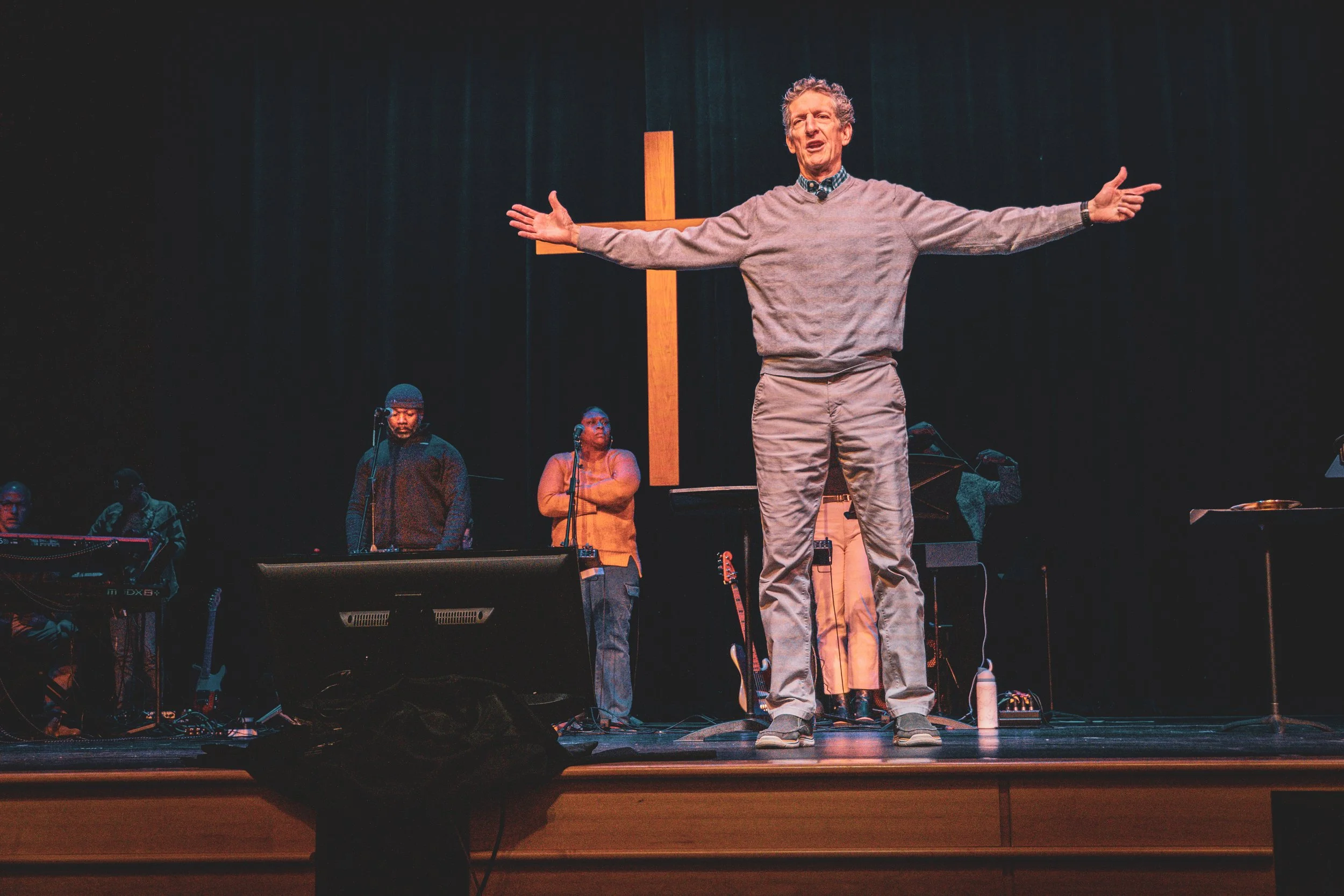
What Does It Mean to Trust God in Difficult Times?
Everyone goes through hard seasons. Some struggles arrive suddenly, like a health crisis, job loss, broken relationship, or unexpected grief. Others build slowly, like stress, disappointment, loneliness, or unanswered questions. In those moments, many people ask what it really means to keep believing, keep hoping, and keep moving forward. That is where the idea of trusting God in difficult times becomes deeply personal.
When Life Feels Heavy
Everyone goes through hard seasons. Some struggles arrive suddenly, like a health crisis, job loss, broken relationship, or unexpected grief. Others build slowly, like stress, disappointment, loneliness, or unanswered questions. In those moments, many people ask what it really means to keep believing, keep hoping, and keep moving forward. That is where the idea of trusting God in difficult times becomes deeply personal.
At Grace Community Church, we know trusting God is easier to talk about when life is calm. It can feel much harder when you are tired, discouraged, or afraid. But trust does not mean pretending everything is fine. It does not mean ignoring pain or forcing a smile. Trust means choosing to believe that God is still present, still good, and still at work even when life feels uncertain.
Trusting God Does Not Mean Denying Reality
Sometimes people think faith means acting like problems are not real. But the Bible does not teach that. Scripture is full of honest stories from people who loved God and still experienced fear, grief, doubt, and pain.
David cried out to God in the Psalms when he felt overwhelmed. Job asked hard questions in the middle of suffering. Elijah felt exhausted and discouraged. Even Jesus wept and experienced deep sorrow. These examples remind us that trusting God in difficult times does not require us to deny how hard life feels.
God is not asking you to hide your emotions. He invites you to bring them to Him. He is not surprised by your questions, your tears, or your fear. In fact, some of the deepest faith grows in the middle of honest struggle.
Trust Begins with God’s Character
When life feels unstable, trust grows by remembering who God is. We may not understand what He is doing, but we can hold on to what He has already shown us about His character.
God is:
Faithful even when circumstances change
Present even when we feel alone
Wise even when we do not understand
Loving even when life feels painful
Patient even when we feel weak
A big part of trusting God in difficult times is shifting our focus from what we cannot control to who God has proven Himself to be. Trust is not built on perfect circumstances. It is built on the steady nature of God.
Why Difficult Times Shake Our Faith
Hard seasons often touch the places where we feel most vulnerable. They can expose fear, disappointment, and the limits of our own strength. When life feels uncertain, we may ask questions like:
Why is this happening?
Where is God in this?
How long will this last?
What am I supposed to do now?
These questions do not make you faithless. They make you human. In fact, asking honest questions can become part of deeper faith. Trusting God in difficult times often involves bringing those questions to Him instead of turning away from Him.
You may not get every answer right away. But you can still draw near to God while you wait.
What Trust Looks Like in Everyday Life
Trust can sound like a big spiritual idea, but it often shows up in small daily choices. Here are a few practical ways trust looks in real life:
1. Bringing Your Worries to God in Prayer
Prayer is one of the clearest ways to practice trust. When you pray, you are saying, “God, I cannot carry this alone.” Your prayers do not need to be long or polished. They can be as simple as:
Lord, help me.
God, give me peace today.
Father, I do not understand, but I trust You.
Jesus, stay close to me in this.
Trusting God in difficult times often begins with very honest prayers.
2. Returning to Scripture
When emotions feel loud, Scripture helps re-center your heart. God’s Word reminds you that He is near, faithful, and active. Reading even one psalm or one gospel passage can help steady your thoughts.
Verses many people return to in hard times include:
Psalm 23
Isaiah 41:10
Matthew 11:28–30
Romans 8:28
Philippians 4:6–7
3. Choosing Faithful Steps, Not Perfect Certainty
Sometimes trust is not about knowing the whole plan. It is simply about taking the next faithful step. That may mean making a phone call, showing up to work, asking for prayer, going to counseling, or resting for the day.
You do not need to know everything to trust God. You just need to keep placing your next step in His hands.
4. Staying Connected to Community
One of the hardest things to do in a difficult season is stay connected. Pain can make us want to pull away. But community is often one of God’s greatest gifts during hardship.
A church family can pray for you, listen to you, help you practically, and remind you of truth when you are too tired to hold onto it yourself. Trusting God in difficult times includes letting His people walk with you.
Trusting God When Prayers Feel Unanswered
One of the greatest struggles people face is learning how to trust when their prayers are not answered in the way they hoped. This can be painful and confusing.
Sometimes God says yes. Sometimes He says wait. Sometimes His answer looks different than what we expected. That does not mean He is absent. It does not mean He does not care.
Trust grows when we believe that God sees more than we see. He knows the full story. We only know one chapter. That does not remove pain, but it reminds us that unanswered prayer is not the same as unanswered love.
If you are in a place where your prayers feel unanswered, keep coming to God honestly. You do not need to protect Him from your disappointment. He can handle your questions. He would rather have your honest heart than your silent distance.
Trusting God in Grief
Grief is one of the clearest examples of why trust must be deeper than simple advice. When someone loses a loved one, loses a dream, or experiences a life-changing disappointment, empty words do not help.
Trust in grief does not mean rushing to feel okay. It means allowing God to meet you in sorrow. It means letting tears be part of your faith journey. It means believing that even in loss, God is still close.
Jesus Himself wept. That matters. It means God understands grief from the inside. So if you are grieving, trusting God in difficult times may simply mean telling Him the truth each day and allowing others to sit with you in the pain.
Trusting God with Anxiety and Fear
Fear can make the future feel overwhelming. Anxiety can make even ordinary tasks feel heavy. In those moments, trusting God is not about flipping a switch and suddenly feeling calm. It is about returning your mind to Him again and again.
A few practical ways to do that:
Pause and take a slow breath before reacting
Pray a short sentence prayer
Read one passage of Scripture out loud
Reach out to someone safe
Limit the voices that feed fear
Focus on what you can do today instead of everything that could happen tomorrow
Sometimes trusting God in difficult times looks like repeating the same truth all day long because your heart needs to hear it again.
What the Church Can Do in Hard Seasons
The church should be a place where people find support, not pressure. At Grace Community Church, we want to walk with people in every season of life, especially the hard ones.
That may look like:
Prayer from a pastor, elder, or friend
A meal when life feels overwhelming
A conversation after service
Joining a group for encouragement
Simply knowing someone sees you and cares
Nobody should have to go through suffering alone. A loving church community becomes a visible sign of God’s care.
How to Encourage Someone Else
If someone you love is going through a hard season, you may wonder how to help. You do not need perfect words. What people often need most is presence, patience, and simple care.
Helpful things to say:
I am here for you.
I am praying for you.
You do not have to go through this alone.
Can I help with something practical this week?
Helpful things to do:
Bring a meal
Send a message to check in
Sit and listen without trying to fix everything
Offer to pray briefly
Invite them to church or a quiet coffee
Encouraging someone else in their struggle is one way we live out trusting God in difficult times together.
A Few Simple Reminders for Hard Days
When life feels especially heavy, these truths can help:
God is still with you.
You do not need to have all the answers.
Small steps still count.
Prayer still matters even when it feels simple.
Rest is not weakness.
Asking for help is wise.
Your difficult season does not define your whole story.
Keep these reminders where you can see them. Sometimes trust grows through repetition.
Final Thoughts
Trusting God in difficult times is not about pretending to be strong. It is about leaning on the One who is strong when you are not. It is about bringing your real emotions, real fears, and real needs to a real God who cares.
At Grace Community Church, we believe hard seasons can become places where faith grows deeper, community becomes stronger, and God’s presence becomes more personal. If you are walking through something difficult right now, we want you to know there is room for you here. There is room for your questions, your sorrow, your prayers, and your hope.
If you want support, prayer, or simply a place to begin again, we invite you to visit Grace Community Church and connect with us through our website. You do not have to walk through this alone.

Hope for the Mind: A Christian Perspective on Mental Health
Mental health and faith can work together. Seeking help does not mean your faith is weak.
God cares about the whole person. He sees your emotional, mental, physical, and spiritual needs.
Key Takeaways
Mental health and faith can work together. Seeking help does not mean your faith is weak.
God cares about the whole person. He sees your emotional, mental, physical, and spiritual needs.
Struggle is not failure. Christians can love God deeply and still experience anxiety, depression, grief, or burnout.
Prayer, Scripture, community, and counseling all matter. Healing often happens through a mix of spiritual and practical support.
You do not have to carry this alone. The church should be a place of compassion, honesty, and hope
A Conversation the Church Should Welcome
Mental health is an important part of everyday life. It affects how we think, feel, respond to stress, and relate to others. Many people carry anxiety, sadness, burnout, grief, or loneliness quietly because they fear being misunderstood. In church settings, that silence can feel even heavier if someone worries their struggle will be seen as a lack of faith.
At Grace Community Church, we believe this topic deserves compassion, honesty, and hope. A Christian conversation about mental health and faith should never begin with shame. It should begin with the truth that every person is made in the image of God and deeply loved by Him. God cares about the whole person, not only our spiritual life, but also our emotions, thoughts, and daily struggles.
God Cares About the Whole Person
Sometimes people separate spiritual life from emotional life, as if faith only matters on Sundays or during prayer. But Scripture shows us something different. God consistently cares for the whole person.
Jesus cared for people physically, emotionally, and spiritually. He comforted the grieving, welcomed the weary, and drew near to those carrying heavy burdens. He did not treat people like projects. He met them with compassion.
When we talk about mental health and faith, it helps to remember that the Bible is filled with people who experienced intense emotions. David wrote psalms from places of fear, sorrow, and exhaustion. Elijah felt so worn down that he wanted to give up. Job cried out in grief and confusion. Even Jesus experienced deep sorrow.
These examples remind us that emotional struggle is not foreign to the Christian life. Pain does not cancel faith. In many cases, pain becomes the very place where faith is deepened.
Mental Health Struggles Are Not a Sign of Spiritual Failure
One of the most harmful ideas a Christian can believe is that anxiety, depression, or emotional exhaustion must mean they are doing something wrong spiritually. That message can leave people feeling isolated and guilty when they most need support.
The reality is more honest. People can love Jesus deeply and still struggle emotionally. A faithful Christian can feel overwhelmed. A committed believer can need rest, counseling, support, and prayer. Struggle does not mean God has abandoned you. It also does not mean you are weak.
A healthy Christian perspective on mental health and faith allows room for both trust and struggle. You can believe in God’s goodness and still need help. You can pray sincerely and still feel anxious. You can read Scripture and still grieve.
Faith does not mean pretending everything is fine. Faith means bringing what is real to God and trusting Him in the middle of it.
What the Bible Offers in Hard Seasons
The Bible does not give us a quick formula for every emotional struggle, but it does offer steady truths that anchor us in difficult times.
God is near
One of the most comforting truths in Scripture is that God stays close to the brokenhearted. When someone is overwhelmed, one of the deepest fears is being alone. But God’s presence is not based on our emotional strength. He stays near even when we feel numb, weak, or confused.
God invites honesty
The psalms teach us that honest prayer is still faithful prayer. We do not need polished words to come before God. We can bring Him our fear, anger, sadness, and questions.
God gives rest
Jesus invited the weary to come to Him for rest. That invitation still stands. Rest may include prayer, Scripture, sleep, quiet, healthy limits, or asking others to help carry the load.
God works through people
God often brings comfort through community. A friend’s call, a pastor’s prayer, a counselor’s wisdom, or a church family’s support can all become part of His care.
A Christian Response to Anxiety
Anxiety is one of the most common mental health struggles people face today. It can show up as racing thoughts, constant worry, tension in the body, trouble sleeping, or fear about the future.
A Christian response to anxiety begins with bringing that worry to God. Prayer can help calm the heart and remind us that we do not carry life alone. Scripture can also help reframe our thoughts when fear tries to take over.
At the same time, prayer is not the only step. A Christian perspective on mental health and faith also makes room for practical wisdom. Someone dealing with anxiety may need healthier routines, less noise, clearer limits, supportive friendships, and professional help.
For some people, a helpful starting point is a simple daily rhythm:
Pause and take a slow breath
Name what is making you anxious
Offer a short prayer to God
Read one comforting verse
Reach out to one trusted person
These steps may seem small, but small steps matter. They create space for peace to grow.
A Christian Response to Depression
Depression can feel different from ordinary sadness. It may involve hopelessness, loss of motivation, low energy, numbness, or a deep heaviness that does not lift easily. People experiencing depression often feel misunderstood because others cannot see the weight they are carrying.
This is where the church must respond with patience and compassion. Telling someone to “just have more faith” can deepen their pain. A Christian response begins with listening.
In the context of mental health and faith, depression calls for gentle care. Prayer matters. Scripture matters. Community matters. But practical support matters too. Sometimes the best first response is to sit with someone, bring a meal, offer a ride, or simply say, “I am here.”
For those personally walking through depression, it is important to remember that seeking help is not a betrayal of faith. It is often an expression of wisdom. A counselor, doctor, or pastor may help you see the next step more clearly.
Why Community Matters So Much
Mental health struggles often grow worse in isolation. That is why Christian community can play such a meaningful role in healing. A healthy church does not ask people to hide. It becomes a safe place where people can be honest and supported.
At Grace Community Church, we want to be the kind of church where people know they can bring their real lives, not just their polished version. Community can help by offering:
Prayer without pressure
Encouragement without judgment
Friendship without pretending
Support in practical ways
Space to ask honest questions
For some people, joining a small group or prayer gathering can be an important step in their healing journey. Being known by others helps break the lie that you are alone.
Healthy Rhythms Can Support Mental Health
Faith is not only something we believe. It is also something we practice. Often, our emotional and spiritual health are strengthened by simple, consistent rhythms.
Here are a few examples that support both mental health and faith:
Prayer
Prayer gives us a place to hand our burdens to God. Even a short prayer can interrupt fear and refocus the heart.
Scripture
God’s Word reminds us of truth when our emotions feel loud. Reading one psalm or gospel passage each day can bring steadiness.
Rest
Many people are emotionally depleted because they are physically exhausted. Sleep, quiet, and rest are not laziness. They are part of wise stewardship.
Honest conversation
Speaking openly with a trusted pastor, friend, or counselor can help release some of what we carry internally.
Serving in healthy ways
Serving others can bring purpose and connection, though it should not become another source of pressure. Start small and serve from a place of health.
Counseling and Professional Support
Sometimes Christians hesitate to seek counseling because they are unsure whether it fits with faith. But counseling can be a valuable part of a healthy Christian response to emotional pain.
Professional counseling can help people understand patterns, process grief, develop coping tools, and work through trauma or anxiety with guidance. In many cases, counseling works beautifully alongside prayer, Scripture, and church support.
A wise Christian view of mental health and faith does not force people to choose between spiritual care and professional care. Both can be gifts from God. The goal is not to prove your strength by carrying everything alone. The goal is to move toward healing in a wise and supported way.
If someone is in crisis, especially if they are thinking about harming themselves, immediate professional help is essential. In those moments, urgent care is the loving and responsible step.
Supporting Someone You Love
If someone you care about is struggling with mental health, you may not know what to say. You do not need perfect words. You need presence, patience, and compassion.
Helpful ways to support someone include:
Listen more than you speak
Avoid quick fixes or spiritual clichés
Offer practical help
Encourage them to seek support
Pray with them if they are open to it
Check in again later
Simple phrases can help:
“I am glad you told me.”
“You are not alone.”
“I care about you.”
“Would it help if I sat with you for a while?”
“Can I pray for you?”
Support does not mean solving everything. It means staying present.
Teaching Teens a Healthy Christian Perspective
Teens today face intense pressure, comparison, and uncertainty. Many struggle silently with stress, loneliness, or fear. Parents and church leaders can help by creating a home and church culture where emotional honesty is welcome.
When teaching young people about mental health and faith, it helps to:
Normalize asking for help
Model healthy emotional language
Pray with them in simple ways
Encourage breaks from constant digital noise
Connect them with trusted adults and youth gatherings
Show that faith includes both truth and compassion
Teens need to know that God is not disappointed in them for struggling. They also need to know that the church is a safe place to be real.
A Hope-Filled Way Forward
Healing rarely happens all at once. It often comes through slow, steady steps. That can feel frustrating, but it is still meaningful progress. One honest prayer. One counseling session. One conversation. One act of rest. One day at a time.
If you are in a hard season, do not measure your life only by how you feel today. God is still at work. He is present in the small steps, the quiet prayers, the kind conversations, and the support you receive from others.
A Christian perspective on mental health and faith is ultimately a perspective of hope. Not shallow optimism, but real hope rooted in the character of God. He is kind, faithful, near, and patient. He does not rush the hurting. He walks with them.
Final Thoughts
Mental health is not separate from discipleship. It is part of our lived experience as people who need God’s grace each day. At Grace Community Church, we want to be a place where people can seek help, find support, and be reminded that God is near in every season.
If you are struggling, you do not need to carry it alone. If someone you love is struggling, your presence can make a real difference. And if you are simply trying to understand this topic better, that matters too.
There is room in the Christian life for honesty, healing, prayer, support, counseling, and hope. There is room for all of it because there is room in the heart of God for the whole person.
FAQ: Mental Health and Faith
Can a Christian struggle with mental health?
Yes. Christians can experience anxiety, depression, grief, trauma, burnout, and other mental health challenges. Struggle does not mean someone lacks faith. It means they are human and in need of care, support, and grace.
Is it wrong to take medication for anxiety or depression?
No. Medication can be a wise and helpful tool for some people. A Christian perspective on mental health and faith allows room for medical care, counseling, prayer, and community support to work together.
Should I only pray, or should I also get counseling?
Prayer is important, but it does not have to be the only step. Counseling can be a wise, healthy part of healing. Many people benefit from both spiritual care and professional support.
What should I do if I feel overwhelmed all the time?
Start by telling someone you trust. Pray honestly, simplify your schedule where possible, and consider reaching out to a pastor, counselor, or doctor. You do not have to figure it out alone.
How can the church help someone struggling with mental health?
The church can help by offering prayer, compassion, practical support, friendship, and referrals to trusted professionals. A healthy church creates space for honesty and healing.
How do I help a friend or family member who is struggling?
Listen, stay present, avoid judgment, and encourage them to seek help if needed. Small acts of care can make a big difference.

Anxiety and Faith: Practical Help from a Christian Perspective
Anxiety can feel like a tight knot in the chest or a mind that never slows down. If that is where you are today, you are not alone. God sees you, and He cares. A simple, honest prayer for anxiety can become a lifeline in the middle of a hard day. This guide will give you practical tools, short Scriptures, and small steps you can start right now. At Grace Community Church, we want to walk with you as you learn to bring every fear to God.
Introduction: God Meets Us in Our Worry
Anxiety can feel like a tight knot in the chest or a mind that never slows down. If that is where you are today, you are not alone. God sees you, and He cares. A simple, honest prayer for anxiety can become a lifeline in the middle of a hard day. This guide will give you practical tools, short Scriptures, and small steps you can start right now. At Grace Community Church, we want to walk with you as you learn to bring every fear to God.
What the Bible Says About Our Anxious Hearts
The Bible does not ignore fear or stress. It speaks to it with kindness and truth.
Philippians 4:6–7. “Do not be anxious about anything, but in everything by prayer and supplication with thanksgiving let your requests be made known to God.” God invites you to bring every worry to Him. The promise is peace that guards the heart and mind.
Matthew 11:28–30. Jesus says, “Come to me, all who labor and are heavy laden, and I will give you rest.” He welcomes burdened people.
Psalm 34:18. “The Lord is near to the brokenhearted and saves the crushed in spirit.” God is close, not far away.
These verses show that a prayer for anxiety is not a last resort. It is a first step toward real help from a faithful God.
Five Breath Prayers for Anxiety
Breath prayers are short lines you pray as you breathe in and out. They calm your body and point your heart to God. Try one for sixty seconds.
In: “Lord, You are near.” Out: “I give You my fear.”
In: “You are my shepherd.” Out: “I will not fear.”
In: “Jesus, Light of the world.” Out: “Shine in my mind.”
In: “Prince of Peace.” Out: “Guard my heart.”
In: “Father, I trust You.” Out: “Carry this burden.”
Repeat a breath prayer three times. You can do it in the car, at your desk, or while waiting in a checkout line. A one-minute prayer for anxiety can reset your day.
A One-Week Reset Plan
Use this simple plan to practice prayer and calm your body. Keep it short and steady.
Day 1: Gratitude and Grounding
Write three things you are thankful for.
Pray, “Thank You for these gifts. Help me notice more.”
Take a five-minute walk and name what you see and hear.
Day 2: Cast Your Cares
Make a list of worries.
Pray through the list, one by one.
Read 1 Peter 5:7. Repeat it once during lunch and once at bedtime.
Day 3: Ask for Wisdom
Pray, “Lord, give me wisdom for one decision today.”
Read James 1:5. Write one sentence about what you learned.
Day 4: Practice Peace at Night
Turn off screens thirty minutes before bed.
Pray the Lord’s Prayer, slowly. Add one sentence after each line.
Journal one line: “God, I entrust tomorrow to You.”
Day 5: Pray With Someone
Ask a friend, group leader, or elder to pray with you for one minute.
Use the breath prayer: “Prince of Peace. Guard my heart.”
Day 6: Serve in a Small Way
Do one kind act for someone.
Pray, “Use me to share Your comfort.”
Day 7: Worship and Rest
Attend a Sunday service or set aside a short time of worship at home.
Pray a simple prayer for anxiety: “Lord, You are enough for me today.”
This is a reset plan, not a test. If you miss a day, begin again tomorrow.
Grounding Practices That Calm the Body
Prayer and Scripture work with the way God designed your body. Try one practice when anxiety spikes.
Box breathing: Breathe in for 4 counts. Hold for 4. Out for 4. Hold for 4. Repeat four times.
Five senses check: Name 5 things you see, 4 you feel, 3 you hear, 2 you smell, 1 you taste.
Light and movement: Ten minutes of daylight and a short walk can lower stress.
Caffeine and sugar check: Notice their effect after lunch. Reduce if needed.
Create a calm corner: Keep a Bible, a small journal, and a quiet chair ready.
Use a grounding tool first, then offer a prayer for anxiety. Calming the body makes it easier to focus your mind and heart.
Short Prayers You Can Use Today
These simple prayers fit busy moments. Speak them out loud or in silence.
“God, I feel overwhelmed. Please give me your peace.”
“Jesus, my thoughts are racing. Slow them by Your Spirit.”
“Father, I cannot fix this. I trust You with it.”
“Lord, I feel fear. Hold me steady and help me take the next step.”
“Prince of Peace, guard my heart and mind in Christ Jesus.”
You can also pray Scripture. For example, “The Lord is my shepherd. You restore my soul. Restore me now.” A Scripture-shaped prayer for anxiety is both simple and strong.
When To Ask For Extra Help
Reach out for counseling or medical care if you notice several of the following for two or more weeks:
Persistent worry or panic that affects work, school, or relationships
Irritability or numbness on most days
Changes in sleep, appetite, or energy
Withdrawing from friends and activities
Trouble focusing or making decisions
Thoughts of harming yourself
Counseling and appropriate medical care can work with prayer and Scripture. If you have thoughts of self-harm, contact local emergency services or a crisis line right away. Your life is precious. You are not alone.
How Community Supports Healing
Anxiety grows in isolation. It often eases in safe relationships. The church family can help you take steady steps.
Small groups: Share life, read Scripture, and pray together.
Elders and prayer team: Ask for private prayer after a service or submit a request.
Pastoral care: Meet with a pastor for guidance and referrals to trusted counselors.
Serving at a gentle pace: When ready, serve once a month to rebuild purpose and connection.
Let one person know you are struggling. A short conversation can open a door to hope.
A Simple Method for Daily Scripture
Use this four-part pattern to connect God’s Word to your day.
Read: Choose a short passage, like Philippians 4:4–9.
Observe: What stands out. What do you learn about God?
Apply: What is one small step you can take today?
Pray: Offer a brief prayer for anxiety based on what you read.
Do this in ten minutes or less. The goal is a steady connection, not perfection.
Frequently Asked Questions
Is feeling anxious a spiritual failure?No. Many faithful people in Scripture felt fear. God meets you with compassion and guidance.
Can a one-minute prayer really help?Yes. Short, honest prayers build a habit of trust. Over time, they shape your thoughts and reactions.
What if I prayed and still feel anxious?Keep going. Often God leads us through a process that includes prayer, wise habits, and help from others.
Should I tell someone I am anxious?Yes. Share with a trusted friend, group leader, elder, or pastor. You do not have to carry this alone.
Can I read a devotional or use an app?Yes. Try Our Daily Bread, Our Daily Hope, or the YouVersion Bible App. A short daily plan can support your routine.
A Gentle Four-Week Growth Plan
Choose simple steps you can keep.
Week 1: One Minute a Day
One breath prayer each morning.
Read one verse from a psalm.
Week 2: Add Community
Tell one safe person how you are doing.
Ask an elder to pray with you after a service.
Week 3: Build Wise Habits
Practice box breathing once a day.
Reduce one source of constant noise for three days.
Week 4: Seek Steady Support
Meet with a pastor or counselor.
Attend one small group or gathering.
Serve once in a simple role.
This path is flexible. Let it fit your season and energy.
Sample Daily Routine You Can Try
Morning
Box breathing for one minute.
Read one short passage. Pray one prayer for anxiety.
Midday
Five-senses check.
Repeat your breath prayer.
Evening
Phone off for ten minutes.
List one gratitude, one worry, and one next step.
Pray the Lord’s Prayer slowly.
Repeat for seven days. Notice what helps most and keep those pieces.
Your Next Step at Grace Community Church
If you are ready for support, we would be honored to help.
Share a private prayer request with one of our elders.
Join a short prayer gathering on the Calendar of Events.
Talk with a pastor for guidance and counseling referrals.
Try a small group to build friendships and steady habits.
Ready to take a step. Visit our website and plan your visit. A simple yes today can become a steady path toward peace, one honest prayer for anxiety at a time.

Finding Peace in Hard Seasons: A Christian Guide to Mental Health
Life can feel heavy. Work pressures, family needs, and unexpected loss can stack up until peace seems far away. If you are in that place, hear this truth first. Your mind matters to God. He cares about your thoughts, emotions, and the stress you carry. A Christian mental health approach does not ignore pain or pretend it is easy. It brings your whole life to God and invites His people to walk with you. At Grace Community Church, we want to replace shame with support, fear with hope, and isolation with community.
Your Mind Matters to God
Life can feel heavy. Work pressures, family needs, and unexpected loss can stack up until peace seems far away. If you are in that place, hear this truth first. Your mind matters to God. He cares about your thoughts, emotions, and the stress you carry. A Christian mental health approach does not ignore pain or pretend it is easy. It brings your whole life to God and invites His people to walk with you. At Grace Community Church, we want to replace shame with support, fear with hope, and isolation with community.
This guide offers practical steps, gentle encouragement, and clear next moves you can take today. You will find Scripture, simple prayer helps, tips for daily life, and guidance about when to seek professional care. You are not alone, and there is a way forward.
What Scripture Says About the Whole Person
The Bible paints a full picture of who we are. We are body, mind, and soul, designed for a relationship with God and with others. When one part hurts, the whole person feels it.
Body: God formed our bodies and calls us to steward them with rest, movement, and care. Elijah needed sleep and food before he could hear God’s gentle voice.
Mind: We are invited to renew our minds with truth. Scripture teaches us to take thoughts captive and to set our minds on what is good and pure.
Soul: The psalms show honest cries and deep worship. God welcomes our real emotions and meets us with mercy.
Community: The church is called to carry one another’s burdens. Healing often grows in safe relationships.
A Christian mental health view is holistic. It honors prayer, Scripture, and worship, and it also values wise counseling, medical care, and practical routines that support your nervous system and your daily life.
Myth and Truth: Clearing Away Confusion
Myth 1: If I had more faith, I would never feel anxious or depressed.Truth: Strong believers struggle too. David, Elijah, and Paul faced fear, grief, and weakness. Faith does not erase emotion. It anchors us in God while we face it.
Myth 2: Christians should fix this on their own.Truth: God designed us for community. Asking for help is wise and humble, not weak. The church is a family that prays, listens, and stands together.
Myth 3: Therapy or medication means I do not trust God.Truth: God can use many tools to bring healing. Wise counseling and appropriate medical care often work alongside prayer and Scripture.
Myth 4: If I pray once, my struggle should be gone.Truth: God sometimes brings quick breakthroughs. Often, He leads us through a process. Steady steps build strength over time.
Simple Daily Practices That Help
Small habits are not cures, but they can calm your body, steady your mind, and open your heart to God. Choose one or two to begin. Keep them short and repeatable.
One-minute breath prayerBreathe in and pray, “Lord, You are near.”Breathe out and pray, “I give You my fear.”Repeat three times.
A psalm a dayRead a few verses from a psalm. Let Scripture give words to your feelings. Pray one line back to God.
Light and movementTake a ten-minute walk in daylight. Gentle movement and sunlight help your brain reset.
A quiet cornerTurn off the media for five minutes. Sit in silence. Ask God to speak and simply be with Him.
One-line journalWrite one sentence each day. Name a gratitude, a worry, and a next step. Keep it short.
Evening releaseBefore bed, list your top three concerns. Pray, “Lord, I entrust these to You.” Fold the paper or close the journal to symbolize release.
Healthy boundariesSay no to one extra demand this week. Protect a small block of time for rest, Scripture, or a walk.
These habits support Christian mental health by bringing your whole life under God’s care in practical ways.
Scripture to Carry in Hard Days
Pick one verse each week. Write it where you will see it. Use it to guide a simple prayer.
Psalm 23:1–3: The Lord is my shepherd. He restores my soul.
Psalm 34:18: The Lord is close to the brokenhearted.
Matthew 11:28–30: Come to Me, all who are weary, and I will give you rest.
Philippians 4:6–7: Do not be anxious about anything, but pray about everything.
1 Peter 5:7: Cast all your cares on Him, because He cares for you.
Prayers for Tough Moments
Use these short patterns when words feel hard.
The 3–2–1
Three gratitudes
Two worries
One next stepPray through each item in a minute or two.
The Lord’s Prayer, slowlyPray each line and add one sentence of your own in plain language.
Pray your scheduleLook at your day. Ask God for peace, wisdom, and strength for each meeting, class, or task.
Silent trustSit quietly for one minute. Pray only, “Here I am, Lord.” Let your body slow down.
When to Seek Professional Help
Counseling is a wise step when symptoms persist or affect daily life. Reach out if you notice several of these over two or more weeks:
Persistent sadness, panic, or worry that disrupts work, school, or home
Ongoing irritability, anger, or numbness
Changes in sleep, appetite, or energy on most days
Withdrawing from friends, family, or activities
Difficulty concentrating or making decisions
Thoughts of harming yourself
If you have thoughts of self-harm, seek immediate help from local emergency services or a crisis line in your area. You are not alone, and your life is valuable. Many people find that a blend of counseling, spiritual care, and practical rhythms becomes a path toward real healing.
How Community Supports Healing
Healing grows in safe, steady relationships. The church is a place where people pray for one another, share honest stories, and carry burdens together.
Small groups and gatherings: A circle of friends helps you process life with Scripture and prayer.
Elders and prayer team: Ask for private prayer during or after a service. Brief, heartfelt prayer can bring real peace.
Pastoral care: Meet with a pastor for guidance, encouragement, and referrals to trusted counselors.
Serving at a gentle pace: When you are ready, serving once a month builds purpose and a healthy connection.
A Christian mental health approach does not make you a project. It honors your dignity and moves at a pace that fits your season.
A Gentle Four-Week Plan
Start small. Stay consistent. Adjust as needed.
Week 1: Breathe and anchor
One-minute breath prayer each morning
Read Psalm 23 twice this week
Take one ten-minute walk
Week 2: Share and simplify
Tell one safe person how you are doing
Reduce one media source for three days
Add a five-minute quiet time
Week 3: Add wise support
Schedule a time with a pastor or counselor
Choose one verse to carry each day
Journal one line at night
Week 4: Practice community
Attend one small group or gathering
Ask for prayer from an elder
Serve in one small way or write a note of encouragement
This plan is not a test. It is a gentle path forward. If you miss a step, begin again tomorrow.
Helping a Friend Who Is Struggling
If someone you love feels weighed down, your steady presence matters.
Listen with care: Let them share without rushing to fix.
Use simple words: Try, “I am here. You are not alone.”
Offer small help: A ride, a meal, or a short walk together.
Pray briefly with permission: “Lord, bring peace and strength.”
Encourage counseling: Offer to help find a time or a referral.
Your kindness can be a bridge to hope.
Tools and Resources You Can Use
Choose one or two tools and keep them simple.
Devotionals and apps: Our Daily Bread, Our Daily Hope, and the YouVersion Bible App offer short plans that fit busy days.
Sleep and routine: Aim for a regular bedtime, light movement, and balanced meals.
Grounding practices: Box breathing, five-senses check, and gentle stretching.
Boundaries: Create a short evening routine that signals “off” for work or school.
Gratitude cards: Place a card where you will see it and write one gratitude daily.
Each tool supports Christian mental health by combining spiritual care with practical wisdom.
Frequently Asked Questions
Is it unspiritual to feel anxious or depressed?No. Many faithful people in Scripture faced strong emotions. God meets you with compassion and truth.
How long will healing take?Healing is often a process with ups and downs. A mix of prayer, counsel, habits, and community creates steady progress.
Can I really pray if I only have one minute?Yes. God hears short, honest prayers. Consistency matters more than length.
What if I tried counseling before and it did not help?Consider trying again with a different counselor or approach. Fit matters. Ask a pastor for referrals.
How can I help my child or teen?Create a calm routine. Listen without judgment. Share simple Scripture and prayer. Normalize counseling as a wise option.
Your Next Step at Grace Community Church
If you want support as you pursue Christian mental health, we would be honored to walk with you.
Contact a pastor for a confidential conversation and counseling referrals.
Join a group to build healthy habits and friendships.
Explore the Calendar of Events for gatherings that encourage rest, prayer, and Scripture.
Ready to take a step. Explore the Calendar, request prayer, contact a pastor, or find a group that fits your schedule. You do not have to do this alone. We are here to listen, pray, and support you with care and hope.

Join a Group: How Community Grows Your Faith
If you want to grow in your faith but do not know where to start, church small groups are a great next step. A Sunday service is important, but deeper growth often happens in a circle of friends who meet, talk, pray, and serve together. At Grace Community Church, small groups help you feel known, build steady habits, and find real support in everyday life.
Why Groups Matter
If you want to grow in your faith but do not know where to start, church small groups are a great next step. A Sunday service is important, but deeper growth often happens in a circle of friends who meet, talk, pray, and serve together. At Grace Community Church, small groups help you feel known, build steady habits, and find real support in everyday life.
In church small groups, you learn the Bible with others, ask honest questions, and share what God is doing in your life. You do not need to have all the answers. You only need a willing heart and a simple plan.
What Are Church Small Groups?
Church small groups are regular gatherings of six to twelve people who want to follow Jesus together. Groups meet weekly or every other week. Some meet in homes. Others meet at church or a local coffee shop. Most groups spend time in three areas:
Scripture: Read and discuss a passage or follow a simple study guide.
Prayer: Share needs and pray for one another.
Friendship: Talk about life, encourage each other, and plan simple ways to serve.
Every group has its own pace and style, but the goal is the same. We want people to grow closer to Christ and closer to each other.
Why Church Small Groups Help You Grow
Here are five simple reasons church small groups make a difference.
Clear focus: Groups keep you steady in Scripture and prayer.
Real support: When life is hard, you do not walk alone.
Honest questions: It is easier to ask and learn in a smaller setting.
Practice and purpose: You discover your gifts and learn how to use them.
Stronger faith: Regular time with others helps you follow Jesus all week, not just on Sunday.
What a Typical Meeting Looks Like
Most meetings last 75 to 90 minutes. Here is a simple flow you might experience.
Welcome and catch-up: A few minutes to say hello and settle in.
Scripture and discussion: Read a passage and talk about what it means.
Life application: Ask, “What is one step I can take this week?”
Prayer: Pray short, honest prayers for one another.
Next step: Decide on a small action, like a service project or a simple outreach.
Some groups share snacks. Some plan a meal once a month. Some add a short song or a thought from the Sunday message. The details can change. The heart stays the same.
How to Choose a Group That Fits Your Life
Picking a group does not have to be hard. Use these four questions to find a good match.
Schedule: What time of day works best for you? Evening, morning, or weekend.
Location: Do you prefer a home, church campus, or coffee shop?
Stage of life: Would you like a mixed group or a group for men, women, couples, or parents?
Study style: Do you prefer a guided study, sermon discussion, or a book of the Bible?
If you are unsure, start with a mixed group near your home. After a month, you will know if it is a good fit.
First Steps for Shy or First-Time Guests
It is normal to feel nervous on your first time. Try these simple tips.
Bring a friend. It is easier to try something new together.
Arrive a few minutes early. Meet the leader and get settled.
Share one thing. You do not need to talk a lot. One short comment is enough.
Come twice. The second visit is almost always easier than the first.
Group members understand what it feels like to be new. They will help you feel welcome.
How Church Small Groups Help Your Family
Groups support families in practical ways. Parents gain friends who understand busy schedules and real-life challenges. When children are part of a family-friendly group, they learn what Christian friendship looks like by watching adults who pray, share, and serve. For students, Grace Community Church hosts youth gatherings where teens connect, ask honest questions, and serve together. While we do not offer youth worship services, these gatherings are a natural next step for students who want a community that is safe, steady, and encouraging.
Using the Bible in Simple Ways
You do not need to be a scholar to learn the Bible. Try this easy pattern during group or at home.
Read: Take turns reading the passage out loud.
Observe: What stands out. What do you notice about God?
Apply: What is one thing you can do this week?
Pray: Ask God to help you live it out.
This pattern takes pressure off the leader and helps everyone participate.
Serving Together: Faith in Action
When a group serves together, friendships grow fast. Here are easy ideas for a first service project.
Pack meal kits for a local partner.
Write cards for seniors or new parents.
Collect winter gear for a neighborhood drive.
Support a church event with setup or hospitality.
Help a family in need with meals or simple chores.
Service shows your community what the love of Jesus looks like in action. It also creates shared memories that bring a group closer.
Handling Real Life in a Group
Group work best when people are patient and kind. Keep these simple ground rules.
Confidentiality: What is shared in the group stays in the group.
Kindness: Speak with grace. Listen without judgment.
Balance: Let everyone have a turn to share.
Clarity: Start and end on time. Keep plans simple and clear.
When a group follows these basics, trust grows and people feel safe.
Common Questions About Church Small Groups
Do I need Bible experience to join?
No. Come as you are. Groups welcome questions and learn together.
What if I try a group and it is not a fit?
That is okay. Try another group. We want you to find a good match.
How often do groups meet?
Most meet weekly or every other week. Choose what works for you.
Is childcare available?
Some groups include kids. Others rotate childcare or meet at times that work for parents. Ask the leader about options.
What if I am not sure what I believe?
You are welcome. Church small groups are a safe place to ask questions and explore faith.
A Four-Week Plan to Get Started
If you are ready to try church small groups, here is a simple plan.
Week 1: Choose and visit
Pick one group from the church calendar.
Tell the leader you are new and attend once.
Week 2: Return and share
Attend again and share one short prayer request or insight.
Week 3: Take one step
Invite someone for coffee.
Offer to bring snacks or help with setup.
Week 4: Serve together
Ask the leader about a simple service idea the group can do this month.
Small steps add up. Four weeks is enough to see if the group is a good fit.
Stories That Encourage
Many people at Grace Community Church found their closest friends through church small groups. A couple new to town joined a group and felt at home within a month. A single parent found steady support during a tough season. A college student who felt shy discovered confidence by serving with a group. Over time, these stories become the heartbeat of the church. People grow when they walk together.
Tips for Leaders and Hosts
If you lead or host a group, keep things simple and clear.
Send a short reminder the day before.
Start on time and end on time.
Ask open questions and invite quiet voices to share.
Keep prayer honest and brief.
Plan one easy social or service event each month.
The best groups are not perfect. They are consistent, kind, and focused on Jesus.
How to Stay Consistent When Life Is Busy
Busy weeks happen. Here are ways to keep your group steady.
Use a short study guide when time is tight.
Meet online if weather or travel is a problem.
Rotate roles so one person does not carry the whole load.
Take brief breaks and set a date to restart.
Celebrate small wins. Even two meetings a month can make a big difference.
Consistency builds trust. Trust builds growth.
Your Next Step at Grace Community Church
If you are ready to explore church small groups, we would love to help you connect. Here is how to start:
Visit our website and view the Calendar of Events to find current groups.
Reach out to a pastor for help choosing a good fit for your schedule and stage of life.
Try one group for one month and see how it feels.
Ask about simple serving ideas your group can do together.
You do not have to do life alone. A small group can become the circle of friends who pray for you, cheer you on, and walk with you through every season.
Real growth happens in real relationships. Church small groups give you a place to read Scripture, pray, and build friendships that last. If you are looking for a community where you can ask questions and take steady steps in faith, a group is a wise next move.
Ready to take a step. Visit our website to explore the Calendar of Events, plan your visit for a Sunday service, and find church small groups that fit your life. If you have questions, reach out through our contact page. We look forward to helping you connect and grow.

Non-Denominational Church Beliefs: A Simple Guide to What We Believe
If you have ever searched for a church and wondered about non-denominational church beliefs, you are not alone. Many people want a clear, simple picture of what a Bible-centered, non-denominational church believes and how that shapes worship and everyday life.
What Does “Non-Denominational” Mean?
If you have ever searched for a church and wondered about non-denominational church beliefs, you are not alone. Many people want a clear, simple picture of what a Bible-centered, non-denominational church believes and how that shapes worship and everyday life. At Grace Community Church, we aim to keep the main things clear: the Bible points us to Jesus, and Jesus changes everything. This guide explains our approach in plain language so you can feel confident about your next step.
Non-Denominational in Plain Language
“Non-denominational” means we are a Christian church that is not formally tied to a national or global denomination. We share core Christian beliefs held by many churches across traditions, and we focus on teaching the Bible, following Jesus, and living out our faith in community. In short, non-denominational church beliefs emphasize the authority of Scripture, the centrality of the gospel, and a warm, welcoming community that lives out what we believe.
The Bible: Our Everyday Guide
We believe the Bible is trustworthy and true. It tells the story of God’s love and His plan to rescue us through Jesus. In practice, that means we read the Bible together on Sundays and during the week. We look for a clear application. We ask, “What is God saying, and how can we live it out?” The goal is not information alone. It is a transformation, one step at a time.
What you will notice
Sunday messages come from Scripture.
Groups and classes use the Bible as the main source.
We invite questions. Honest conversation is welcome.
God: One God, Three Persons
Historic Christianity teaches that God is one in essence and exists as Father, Son, and Holy Spirit. This is called the Trinity. While the mystery is bigger than our minds, the Bible shows each Person fully divine and at work in our salvation. The Father sends, the Son saves, and the Spirit empowers.
Jesus Christ: The Center of Our Faith
Jesus is fully God and fully human. He lived a perfect life, died on the cross for our sins, and rose from the dead. He is the only Savior and the living Lord. Everything we teach and practice comes back to who Jesus is and what He has done. When you explore non-denominational church beliefs, this is the center point: Jesus saves by grace, not by our good works.
What does that mean for us
We preach Christ clearly and simply.
We invite people to trust Him personally.
We celebrate stories of changed lives.
The Holy Spirit: Power for Everyday Life
The Holy Spirit opens our eyes to the truth, brings new life, and helps us grow. He comforts us in trials, convicts us when we stray, and equips us with gifts to serve others. Life with the Spirit is not just for Sunday. He helps us follow Jesus at work, at school, and at home.
People: Made in God’s Image, In Need of Rescue
Every person has dignity because we are made in God’s image. Every person also needs rescue because sin has twisted our hearts and our world. The good news is that Jesus came to save sinners. At Grace Community Church, this keeps us humble and hopeful. We are all learners, and we all need grace.
Salvation: Grace Through Faith
We are saved by grace through faith in Jesus. Salvation is a gift, not something we earn. When we trust Jesus, God forgives our sins, gives us a new heart, and welcomes us into His family. This is the heartbeat of non-denominational church beliefs and the reason we share the gospel with clarity and kindness.
A simple way to think about it
Admit: I need God’s mercy.
Believe: Jesus died and rose for me.
Commit: I will follow Him as Lord.
The Church: A Family on Mission
Church is not only a building. It is a people. We gather to worship, learn, and serve. We scatter to bring hope to our neighborhoods and our world. In a healthy church family, people grow through relationships, prayer, and service. At Grace Community Church, we want every person to find a place to belong and a purpose to pursue.
How this shows up
Sunday worship that is joyful and Christ-centered
Groups that meet for prayer, Scripture, and care
Service teams and local partnerships that bless our community
Baptism and Communion: Simple Signs with Deep Meaning
Most non denominational church beliefs treat baptism and communion as two simple, powerful symbols that point to the gospel.
Baptism is a public declaration that you belong to Jesus. It pictures His death, burial, and resurrection, and our new life in Him.
Communion is a regular act of remembrance where believers take the bread and cup to remember Jesus’ sacrifice and look forward to His return.
If you want to explore baptism or learn how we practice communion at Grace Community Church, we would love to talk with you.
Worship: Truth and Response
Our worship brings the Bible, prayer, and music together in a way that points to Jesus. We sing songs grounded in Scripture, we read the Word, and we respond with prayer and next steps. The tone is warm and welcoming. Families are encouraged to worship together, and we also provide age-appropriate spaces for kids.
Everyday Discipleship: Simple Steps That Last
Following Jesus is a daily walk. We keep discipleship practical and clear.
Read the Bible a little each day.
Pray short, honest prayers.
Attend regularly on Sundays.
Join a small group for friendship and growth.
Volunteer to bless others.
Invite a neighbor or friend to come along.
Small steps, done consistently, shape a strong faith.
How a Non-Denominational Church Stays Accountable
You may wonder how a non-denominational church maintains healthy leadership. Good question. Churches like ours use clear bylaws, a team of qualified elders, financial transparency, and regular communication to serve the congregation with integrity. We welcome questions and value open conversation about how ministries operate.
What About Social Issues and Everyday Questions
People bring real questions to church. We start with Scripture, lead with the gospel, and aim to respond with both truth and love. We care about people more than winning arguments. We listen carefully, stay rooted in the Bible, and seek wisdom for complex situations. Our hope is that you experience both clarity and compassion as you explore faith with us.
FAQs: Non-Denominational Church Beliefs
Is “non-denominational” the same as believing anything we want.
No. We hold historic Christian beliefs taught in the Bible and shared by many churches worldwide. We simply are not formally tied to a denomination.
Do I have to know a lot about the Bible to attend?
No. Come as you are. We will learn together, step by step.
Can I belong even if I still have questions?
Yes. Questions are welcome. We offer groups and conversations designed for seekers and new believers.
How do I learn more about your specific beliefs?
Reach out to one of our pastors, visit a Sunday service, or come to a newcomers’ class. We will share our full statement of faith and answer your questions.
Your Next Step at Grace Community Church
If you are exploring non-denominational church beliefs and want to see what this looks like in real life, we would love to meet you.
Plan your visit: Find service details and what to expect on Sunday.
Meet people: Stop by our welcome table to connect with a pastor or friendly volunteer.
Try a small group: Join a short, beginner-friendly group to build friendships.
Ask anything: Bring your questions. We are happy to talk.
Ready to take a step. Visit our website to plan your visit, explore our Calendar of Events, and learn more about who we are. If you have questions, contact us through the site, and a team member will follow up. We look forward to welcoming you to Grace Community Church.

Serve with Joy: Christmas Outreach Ideas for Families and Groups
Christmas is a season of hope. It is also a chance to share that hope with others. Many families and groups wonder how to start Christmas outreach in a simple and meaningful way. The good news is that you do not need a large budget or a complex plan. You only need a willing heart, a few easy ideas, and a clear next step.
Christmas is a season of hope. It is also a chance to share that hope with others. Many families and groups wonder how to start Christmas outreach in a simple and meaningful way. The good news is that you do not need a large budget or a complex plan. You only need a willing heart, a few easy ideas, and a clear next step.
At Grace Community Church, we love helping people serve together in December. Whether you are a parent with young kids, a small group of friends, or a ministry team, you can make a real difference this season through Christmas outreach that is practical, safe, and full of joy.
The Heart Behind Christmas Outreach
When we serve, we reflect the love of Jesus. He came near to us, so we come near to others. Christmas outreach turns faith into action. It helps us notice needs, listen to stories, and share kindness. Serving also strengthens families and friendships. When you work side by side, you build trust and create memories that last.
You can start small. One family. One neighbor. One need. God often multiplies small acts of love.
Quick-Start Guide: How to Begin
Pray first. Ask God to show you one person, place, or need.
Pick one idea. Choose a project that fits your time and budget.
Gather supplies. Keep it simple. Make a short list and set a date.
Invite others. Ask one friend or another family to join you.
Follow through. Deliver with a smile. Add a note that says, “You are loved.”
Five Simple Christmas Outreach Ideas
1) Meal Blessing Bags
Create small grocery bundles for families who could use help.
What to include
Shelf-stable items like pasta, sauce, rice, beans, and soup
A small treat, such as hot cocoa packets or cookies
A handwritten note with a short prayer or Scripture
How to deliver
Contact a local school counselor or community center to coordinate
Ask your church outreach team where the need is greatest
Deliver with respect and care
Kid-friendly task
Let children decorate the note cards and bags.
Why it works
Food eases stress. A kind note lifts the heart. This is Christmas outreach that meets a basic need with simple love.
2) Care Cards and Calls for Seniors
Many seniors feel lonely during the holidays. Your voice and your words can brighten their day.
What to do
Write short, cheerful cards
Add large print verses or encouraging quotes
Make brief phone calls to say hello and offer prayer if welcome
How to organize
Ask your church office for a list of seniors who would appreciate contact
Partner with a local senior center or assisted living home
Kid-friendly task
Have kids draw pictures or add stickers to the cards.
Why it works
A simple call or card says, “You are not forgotten.” That is the heart of Christmas outreach.
3) Winter Warmth Kits
Help neighbors stay warm and safe.
What to include
Gloves, hats, socks, and hand warmers
Lip balm and travel-size lotion
A small snack and a bottle of water
A note with local resources and church contact info
How to deliver
Keep a few kits in your car to share as you see need
Coordinate with a local shelter or outreach partner
Group tip
Set up a packing line at your small group or family night. It is efficient and fun.
4) Neighborhood Invite and Treat
Share a friendly invitation to church with a simple gift.
What to make
A small bag with a candy cane, hot cocoa packet, and an invite card
A printed list of December service highlights or a link to the church website
How to deliver
Walk your street as a family or group
Smile, introduce yourselves, and say, “Merry Christmas. We hope to see you.”
Kid-friendly task
Let kids ring doorbells and say hello with you beside them.
Why it works
A face-to-face invite is warm and personal. It is an easy Christmas outreach step for first-time volunteers.
5) Partner With a Local Nonprofit
Join an existing project to multiply impact.
How to find a partner
Check your church Calendar for December service days
Ask a pastor or outreach leader for vetted partners
Choose a shift that fits your schedule
Stop by our Sunday Welcome Desk for a printed list of Grace Community Church mission partners and current opportunities.
Our Mission Partners
If you would like to serve with an organization we already trust and support, start with our mission partners. You will find the most up-to-date list and seasonal needs at the Sunday Welcome Desk. Here are examples of our partners to help you choose a next step:
Amirah Inc.
Bridgeport Rescue Mission
Christian Counseling Center of Norwalk
Compassion International
Crossing Thresholds
Fellowship of Christian Athletes
Focus Fairfield County
Give Me an Answer
Greenwich Center for Hope & Renewal
Hopeline Pregnancy Resource Center
Hunger First
Kids Alive International
Lemonade International
Love 146
Open Door Shelter
Orphan Network
Peter’s Heart
Pivot Ministries, Inc.
Roblealto
Samaritan’s Purse
Sweet Mother
Wycliffe Bible Translators
World Relief
Young Life
Serving through our partners helps you plug into established projects with clear leadership, safety practices, and meaningful local or global impact.
Examples
Food pantry stocking, toy drives, gift wrapping for families, or delivering holiday meals.
Group tip
Take a team photo at the end and thank the nonprofit staff. Build a relationship you can continue in the new year.
Make It Family-Friendly
Serving with children teaches them compassion and courage. Keep it simple and fun.
Short time blocks: Aim for 30 to 60 minutes.
Clear roles: Give each child a job, like taping boxes or placing items in a bag.
Talk as you serve: Ask, “Who could use encouragement today?”
Pray together: One sentence before and after.
Celebrate small wins: Ice cream or hot chocolate after you deliver.
Make It Group-Friendly
Small groups and teams can do more together. Here is a simple plan.
Pick a project during your next group meeting.
Assign roles: shoppers, packers, drivers, and card writers.
Set the date and confirm childcare if needed.
Serve together and keep it friendly and flexible.
Share a short reflection at the end. What did we learn? Who can we bless next?
Safety and Respect
Kindness includes wisdom. Keep people safe and protect dignity.
Ask before you post: Get permission before sharing photos.
Protect privacy: Do not share names or addresses online.
Be careful with cash: Use gift cards or approved channels.
Follow site rules: If you serve with a partner, honor their guidelines.
Stay age-aware: Choose tasks that fit your kids’ ages and abilities.
Accessibility and Inclusion
Love makes room. Consider needs related to mobility, sensory sensitivities, and language.
Offer visual schedules for kids who like clear steps.
Keep noise and lights gentle during visits.
Provide large print or translated notes when possible.
Choose a project that seated volunteers can do, like card writing or sorting.
These small adjustments help everyone join Christmas outreach with confidence.
Add Faith to the Moment
You do not need a sermon. Short words can carry deep hope.
“God sees you and cares for you.”
“May God give you peace and strength.”
“We are praying for you today.”
If a person invites prayer, keep it short and gentle. “Lord, thank You for this family. Please bring comfort and joy this season. Amen.”
Keep the Impact Going After Christmas
Outreach does not need to end with the holidays. Plan one small step for January.
Return to help the same nonprofit once a month.
Invite a neighbor to coffee and check in.
Join a serve team at church that fits your gifts.
Pick one family to support with a meal or rides.
Consistency turns a holiday project into a lasting habit of love.
Christmas Outreach Checklist
Use this quick checklist to keep things simple:
Pick one project and date
Make a short supply list and budget
Invite one friend or family to join you
Prepare a kind note or invite card
Pray together before you go
Deliver with a smile and respect
Debrief and celebrate what God did
Frequently Asked Questions
How much does it cost to serve?
Many projects are low-cost. Start with what you have. A single card or small gift can mean a lot.
What if my kids are very young?
Choose projects that fit short attention spans. Card writing and treat bags are great options.
What if I feel nervous about meeting new people?
Invite a friend, start small, and keep your words simple and kind. Your presence matters.
Can I serve if I have limited time?
Yes. Try a 30-minute project at home, like writing notes or assembling kits.
How do I find the best place to help?
Check your church calendar, ask a pastor, or contact a trusted local nonprofit.
Stories That Inspire
Many families at Grace started with one small act. A child made a card for a homebound neighbor, and it opened a friendship. A small group packed five meal bags, then came back the next month with ten. A teen who felt shy joined a Serve Saturday and discovered new confidence.
Your story can start the same way. One yes can change someone’s week. It might change yours, too.
Your Next Step at Grace Community Church
If you are ready to try Christmas outreach, we would love to help. You can:
Explore the Calendar of Events for December to serve opportunities
Ask about local partners that need volunteers
Pick a family-friendly project and invite another household to join you
Share your idea with a pastor so we can support and encourage you
Visit our Sunday Welcome Desk to review the full list of mission partners and choose a project that fits your schedule
Serving at Christmas does not have to be complicated. Start with one idea, one friend, and one act of love. God can do more than you expect through simple faith and open hands. If you are looking for a church family that makes outreach easy to join and joyful to repeat, Grace Community Church is ready to walk with you.
Ready to take a step. Visit our website to explore the Calendar of Events, plan your visit for a December Sunday, and find practical ways to join Christmas outreach this season. If you have questions or want to suggest a project, reach out through our contact page. We look forward to serving with you.